Teuta Hoxha, 29, a detainee at HMP Peterborough, says the prolonged hunger strike is taking a toll on her physically and mentally. “It often feels like you’re drowning. Your skin changes, it starts to turn grey, you get more hair, everything manifests itself physically,” she tells The Guardian through a mediator. “There are very difficult days for the mind and soul, but we remain strong and determined.”
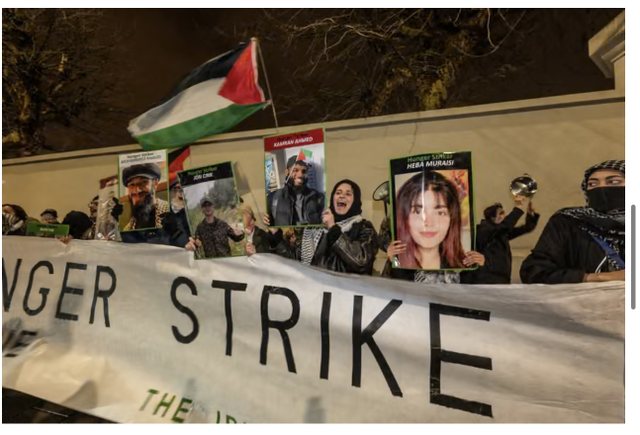
On Saturday, Hoxha entered the 42nd day of a hunger strike, along with other prisoners linked to the Palestine Action group, amid growing concerns about their health. They are being held on charges including property damage, aggravated robbery and violent disorder, following a raid on a factory owned by Israeli arms manufacturer Elbit Systems near Bristol. Many of them have been hospitalized several times. The Justice Secretary, David Lammy, has refused to meet their representatives.
All will have spent over a year in prison before being tried, significantly more than the standard six-month limit for pre-trial detention. Their demands include their release on bail, the lifting of the ban on Palestine Action, and an end to restrictions on communication, which they say came after the group was banned.
Hoxha acknowledges the dangers of the hunger strike: “One must constantly remember the irreversible consequences of prolonged hunger – blindness, organ failure, brain damage. Everything that gives us autonomy is at risk.” She describes persistent symptoms such as dizziness, headaches, difficulty breathing, and loss of consciousness when standing up.

The coordinated strike – believed to be the largest in Britain since the IRA prisoner strikes of 1981 – began on November 2. Among the participants are young people with serious health problems; some have called off the strike after being hospitalized.
Experts and doctors warn of the immediate danger. Dr. James Smith, an emergency physician and lecturer at UCL, said that after about three weeks the body begins to break down muscles and organs to survive. “The risk of sudden and unpredictable failure increases every day. On this trajectory, hunger strikers are dying,” he said, calling for constant hospital monitoring.
British authorities and prison operators have said prisoners receive regular medical assessments in line with protocols. However, former prison officials say that, in these circumstances, parole should be considered on humanitarian grounds.

From her cell, Hoxha says she relies on hope and faith: “If they don’t make any concessions, they should prepare for a scandal and answer the question: ‘Why did you let the prisoners die?’”