

Last fall and winter, senior Israeli diplomats urgently contacted officials and public television stations across Europe to discuss a delicate and unusual topic: the Eurovision Song Contest.
Some broadcasters called for Israel to be excluded from Eurovision because of the war in Gaza and threatened to boycott the contest. Some even accused the Israeli government of unfairly influencing the results through a massive voting campaign.
At the time, Israel was facing much bigger diplomatic problems than a music competition watched by 166 million people worldwide. A United Nations commission had recently accused Israel of genocide, a charge the Israeli government vehemently denied, while more and more world leaders were recognizing a Palestinian state.
“I am a little surprised why the embassy is dealing with this issue,” the director of Icelandic public television, Stefan Eiriksson, wrote to an Israeli diplomat after he asked to discuss Eurovision in December.
According to an investigation by The New York Times, this diplomatic effort to keep Israel in Eurovision was just part of the drama that unfolded over the past year around one of the most watched cultural events in the world.
For Benjamin Netanyahu's government, Eurovision was no longer just a party with flashy costumes, LGBT pride and pyrotechnic scenes. It became an opportunity to improve Israel's international reputation and mobilize support through strong performances by its singers.
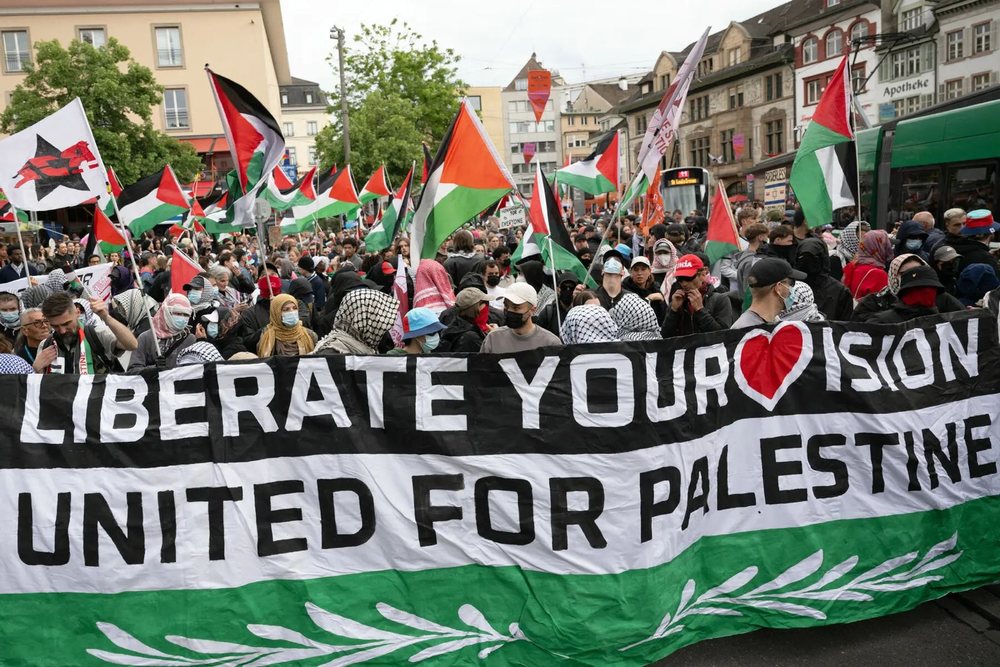
This year's contest begins on Tuesday, after the biggest crisis in Eurovision's 70-year history. Iceland and four other countries have boycotted the festival in protest at Israel's participation, while the European Broadcasting Union, the contest's organizer, is facing financial difficulties.
The American newspaper's investigation claims that the Israeli government organized a well-coordinated campaign to use Eurovision as a "soft power" instrument, while the festival organizers were not prepared to manage the situation.
As Eurovision, traditionally considered an apolitical competition, was turning into a clash over the Middle East and human rights, organizers were trying to defend one of the festival's core principles: that politics has no place at the event.
According to the investigation, Israel's efforts to influence the vote began years ago and were much more extensive than publicly known. Financial documents show that Israel spent at least $1 million on Eurovision promotion, including funds from Netanyahu's "hasbara" office, a term used for propaganda and public diplomacy abroad.
Governments should not interfere in the voting, as Eurovision is a competition for public television and artists, not for states.
Eurovision director Martin Green said Israel's actions had been excessive, but insisted they had not affected the final result.
However, analysis of votes and documents obtained by the newspaper suggests that the campaign could have easily influenced the outcome of the contest. In some places, the analysis found, it took just a few hundred people voting repeatedly to change the televoting.
The newspaper emphasizes that there is no evidence that Israel used "bots" or covert manipulation methods.
Eurovision organizers, according to the investigation, kept full voting data secret and publicly downplayed the impact of the Israeli campaign. They commissioned a report on television reactions to Israel, but the full report was never published.
"The Israeli government has hijacked Eurovision," declared Stefan Jon Hafstein.
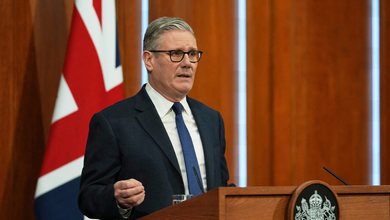
Israeli President Isaac Herzog also defended Israel's participation in the contest.
"Israel's voice must be heard everywhere. We must participate, raise our flag high and bring the best performers to Eurovision," he declared.