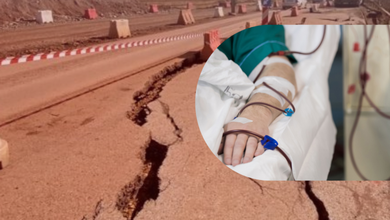



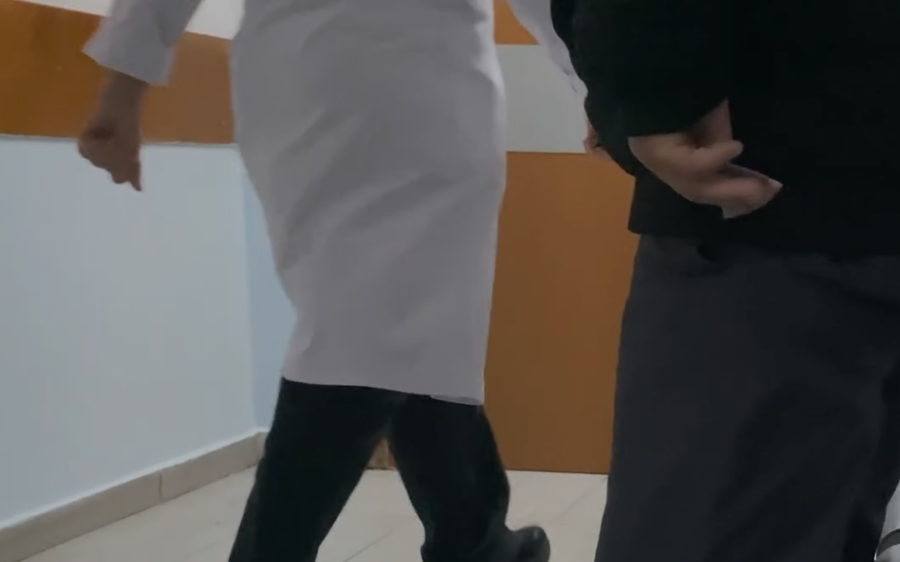
In one of the corridors of the QSUT, an elderly man reaches out with some banknotes. He's not asking for a luxury service. He's not buying over-the-counter medication. He's trying to secure something that's guaranteed on paper: healthcare.
The scene is common. It is repeated in the corridors of the QSUT, in silence, without sound, without official cameras and without the videos of the minister propagandizing what does not exist. A small gesture, but one that speaks volumes. Because money is not given out of gratitude. It is given out of uncertainty. Out of fear of being kept waiting. Out of anxiety that the operation will be postponed. Out of the feeling that without "a coffee", the system does not move.
Unfortunately, this is not an isolated episode. It is a culture created over the years, a deeply rooted perception: that public service works better when accompanied by money in hand. Even when no one directly asks for it, you feel obligated to offer it. Because health is not a delicate and hopeless field to get for free in Albania.
And this is where the question arises: what does "free healthcare" mean if the patient feels the need to pay to receive what is basic?
When a citizen pays not for a privilege, but to avoid negligence, we are dealing with a problem that goes beyond individuals. It is a matter of trust and a failure of the system.
Because a fair system should not force the patient to choose between dignity and safety.