



Rising prices and oversupply from the war crisis in Iran have helped the government increase budget revenues through VAT.
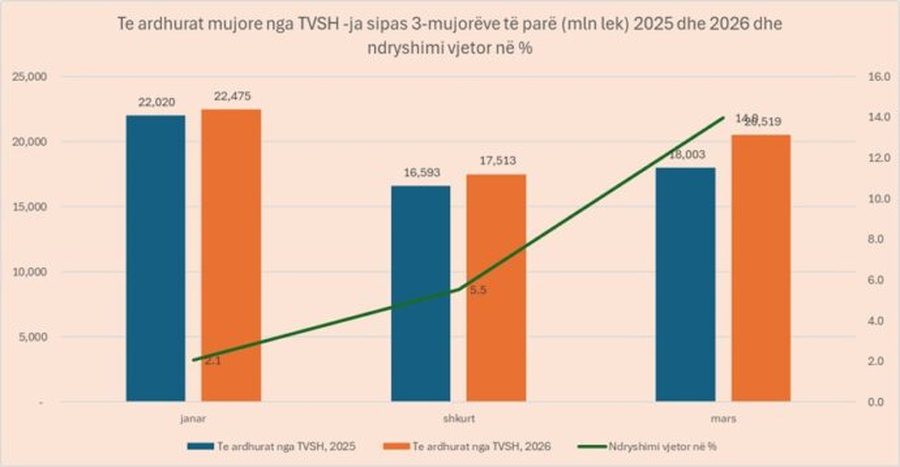
The analysis of collections in the first quarter of 2026 shows a surge in VAT revenues in March after two lackluster months. Value Added Tax revenues last month reached 20.5 billion, an annual increase of 14%.
As can be seen from the data in the graph below, there is an escalation in the collection of this tax, which starts with a modest increase of 2.1% in January, 5.5% in February and culminates with a double-digit increase in March.
The price pressure dictated by the crisis in Iran has played a major role. Since VAT is applied as a percentage on the value of goods, any increase in the cost of basic products or energy automatically translates into more revenue for the state budget, even if the volume of goods purchased remained the same.
However, the large difference between January and March shows that we are not dealing with just inflation, but with a real increase in economic activity, due to the higher intensity of tourism and the revival that comes from the spring season. The flow of tourists increased in March, creating a chain effect that affects all other sectors.
Even in the past, crises could be a burden on citizens' pockets, but they have proven very productive for the state budget through increased revenue from taxes levied as a percentage of prices.
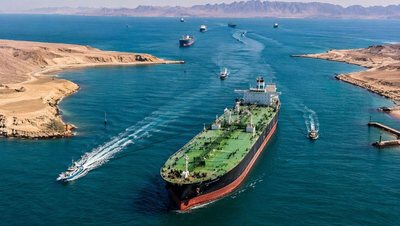
Due to the blockade of the Strait of Hormuz, the increase in retail fuel prices reached record levels of over 220 lek per liter in March.
Albania also imports over half of its basic products. The war has caused an increase in the costs of international transport and marine insurance.
Any product that comes from abroad, flour, oil, sugar, but also raw materials for industry with a higher price at customs, has a positive impact on VAT, which is collected the moment the goods enter the border.
Revenues were also positively affected by oversupply. Wheat imports increased by 55 percent in the first quarter of 2026 in quantity due to fears of future price increases, and food imports by about 20 percent.
The precedents where crises have strained public revenues in other countries translate into more aid packages for the needy. Governments in the region and beyond are applying temporary packages to redistribute some of these revenues to the most needy. But the Albanian government has been more rigid in this regard./Monitor.al