


2025 was the fifth year that the agricultural sector recorded a decline in production, indicating that the mainstay of our economy has fallen into a long recession, likely with no signs of recovery.
The same trend is also seen in the industry, which closed the second year with a decline in 2025 and is continuing its contraction this year due to the poor performance of exports in the first two months.
According to official INSTAT data, agriculture decreased by 1.95% last year, while industry decreased by -3.15%.
This trend shows that the economic model is shifting from manufacturing sectors to services, mainly tourism. Experts consider this shift of the economy to a sector like that dangerous, as the service sector is not sustainable and depends on tourist flows.
Domestic or external events such as the pandemic can reduce tourism flows, causing colossal damage. In 2020, countries that were based on tourism services suffered a strong economic decline, unlike others that had a manufacturing-based economy. After the pandemic, Spain, Italy and Greece reformed their models by shifting to other sectors, to reduce risks.
In fact, tourism was expected to provide a stronger boost to the agricultural sector with the idea that increased consumption should increase domestic production, but this has not happened, as foreign trade data show that tourism-related imports, including food, have increased sharply with the arrival of tourists.
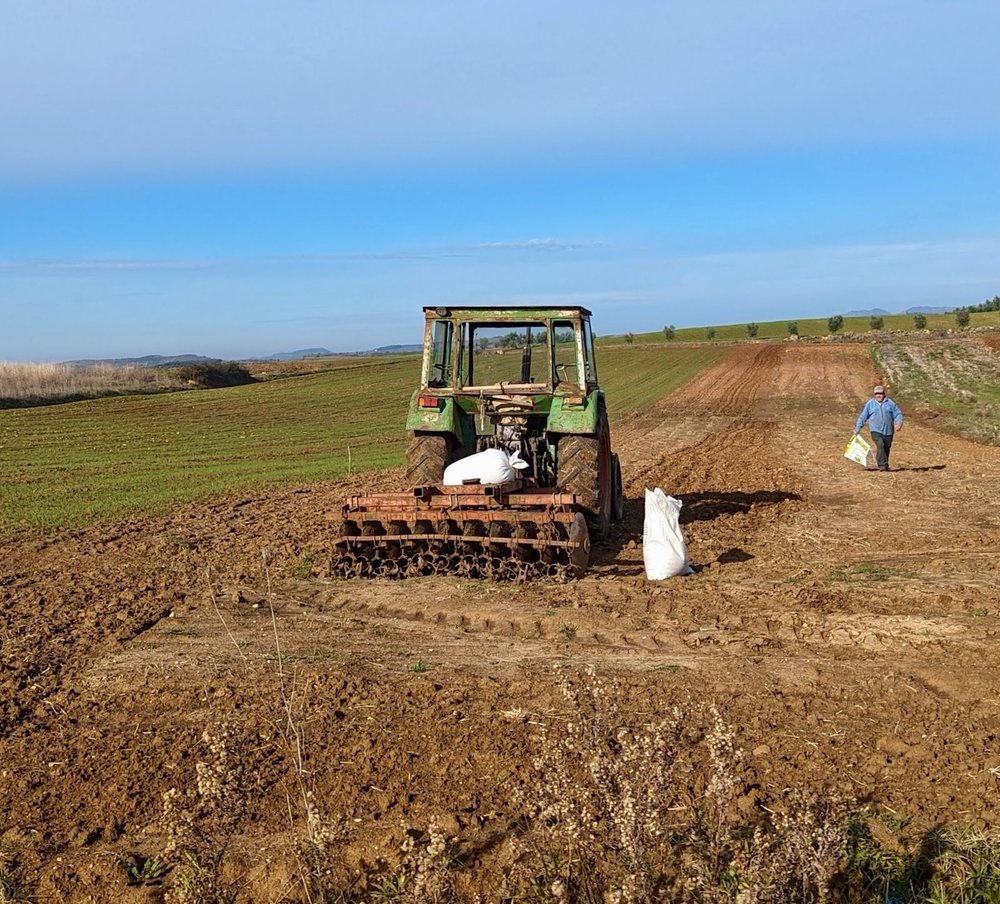
The continuing decline of the agricultural sector, which remained in negative territory in 2025, reflects a deep cost and labor crisis. The increase in the prices of agricultural inputs, such as chemical fertilizers and oil, has reduced the profitability of small farmers, while government subsidies are very low and EU funds from iPARD remain blocked. Furthermore, the emptying of rural areas by emigration has created an acute labor shortage, causing large areas of land to remain fallow. This sector, which accounted for 20% of the economy before the pandemic, accounted for only 15% in 2024.
The industrial sector is also facing a storm. The extractive industry has been affected by fluctuations in mineral prices on international markets, while the processing industry (fabrication and food production) is being hit hard by the strengthening of the local currency. The depreciation of the euro has made Albanian exports more expensive and less competitive abroad, reducing orders and total production. This decline reflects a weakness in the economic model based on cheap labor, which is losing its advantage.
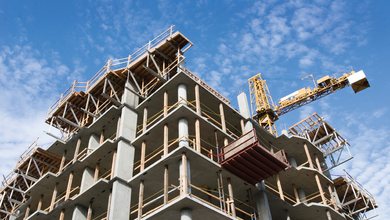
Në anën tjetër, rritja e sektorit të ndërtimit (4.52%) dhe rritja dyshifrore e administratës publike e shëndetësisë (14.29% në 2025) tregon se kapitali po zhvendoset drejt aseteve të paluajtshme dhe shpenzimeve publike. Ndërtimi ushqehet nga flukset e investimeve të brendshme dhe të huaja, shpesh të përqendruara në turizëm dhe zona urbane, duke krijuar një ekonomi që konsumon më shumë se sa prodhon. Kjo zhvendosje e ekonomisë po ndodh në kurriz të prodhimit material, duke e bërë vendin më të varur nga importet për nevojat bazë.
Shoqata e Eksportuesve pritet të zhvillojë sot një takim me temë “SITUATA DRAMATIKE E SEKTORIT TË MANIFAKTURËS SË VESHJEVE DHE KËPUCËVE DHE MOSREAGIMI INSTITUCIONAL”. Ky takim, sipas shoqatës ProEksport zhvillohet në një moment kritik, ku sektori po përballet me një përkeqësim të qartë dhe të vazhdueshëm të situatës ekonomike. Prej muajsh bizneset po japin sinjale të drejtpërdrejta dhe të përsëritura. Prej muajsh, këto sinjale janë injoruar, thotë Shoqata./ Monitor