

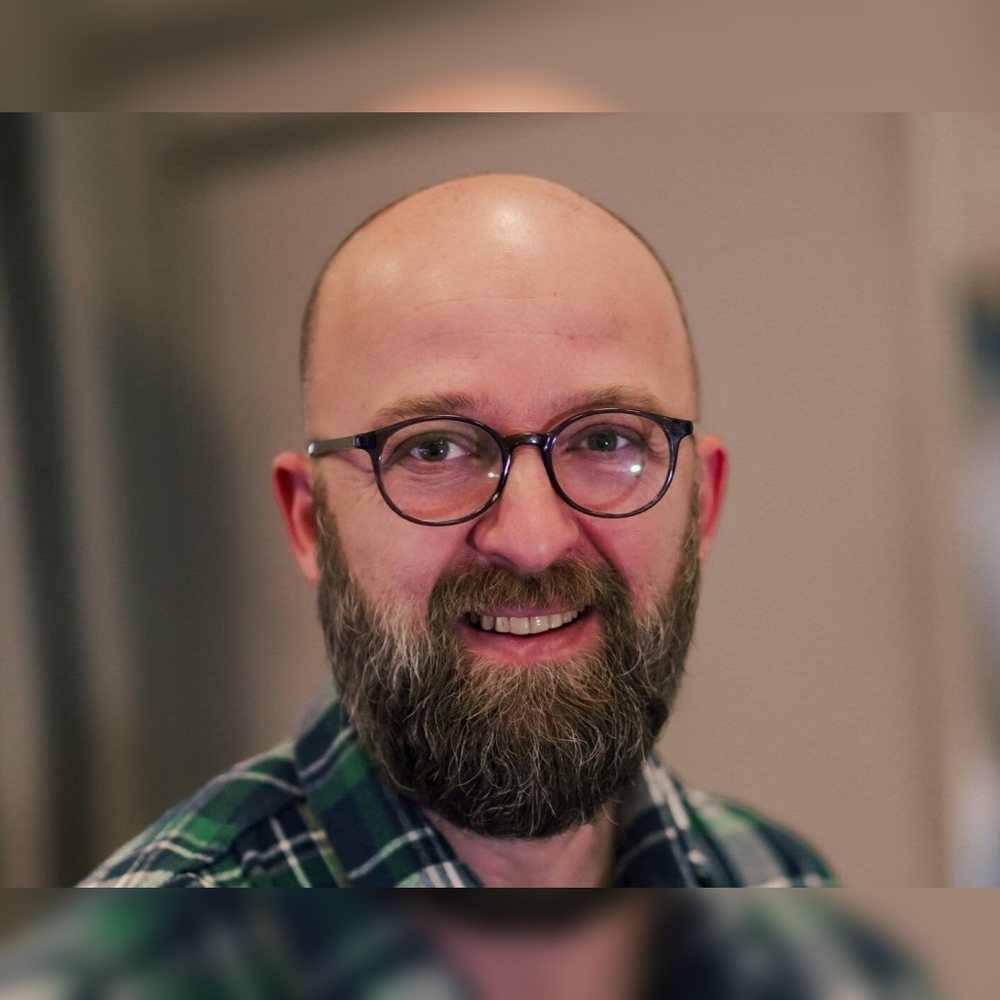
Arianit Sllamniku was arrested today by the Kosovo Police in Gjilan by order of the Basic Prosecution Office, on suspicion of illegally practicing medical or pharmaceutical activities, as well as experimenting and testing drugs.
The arrest was confirmed by the Chief Prosecutor of Gjilan, Arben Kadriu, who announced that Sllamnik is suspected of illegally practicing medical or pharmaceutical activities, as well as illegal medical experiments and drug testing. He has been detained for 48 hours by police measure.
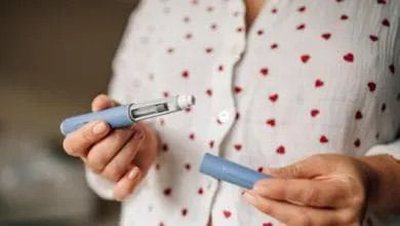
Sllamnik is suspected of selling animal medicine to several people, claiming that it could "cure" children with autism.
Chief Prosecutor Kadriu stated that after receiving the information, an investigative team was immediately formed, which has begun handling the case, while after the end of the 48-hour detention, further legal procedures will continue.
Regarding this case, on the evening of January 19, 2026, the Ministry of Health of Kosovo also reacted, announcing that it had notified the competent institutions and was in coordination with the Kosovo Police to address the issue. In its response, the Ministry of Health called on citizens to trust only scientifically verified methods and services provided by licensed health professionals, emphasizing that children's health remains an absolute priority and any misuse that endangers it will be treated with maximum institutional seriousness.
Meanwhile, Arianit Sllamniku himself has also reacted, declaring through a video message that he will continue his "mission", denying that he has caused negative consequences and claiming that he has not forced anyone to turn to him.
The case has also raised concerns among civil society organizations. The Coalition of Non-Governmental Organizations for the Protection of Children in Kosovo (KOMF) has expressed alarm over reports of the provision of drugs to “cure” children with autism, while the Patients’ Rights Association in Kosovo (PRAK) has stated that this is not simply an isolated incident, but an alarming phenomenon that highlights serious systemic failures in patient protection.
PRAK has emphasized that the low level of health education and public misinformation create ground for such misuse, underlining that autism is not a "curable" disease, but a condition that requires long-term support, multidisciplinary interventions, and respect for the dignity of children and their families.