


By Zydi Teqja, professor of Architecture
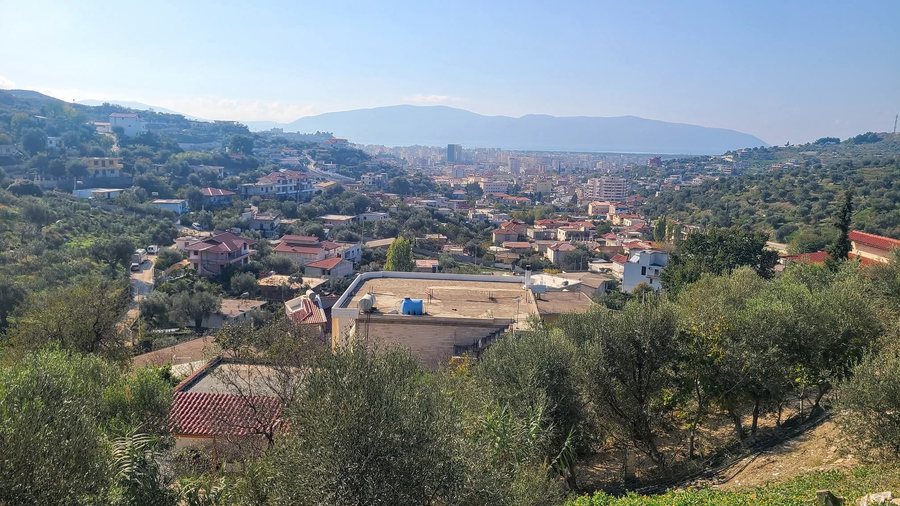
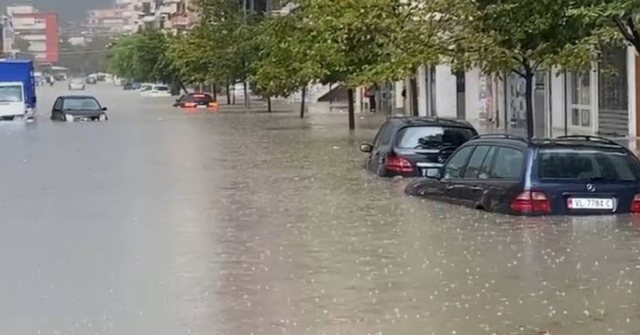
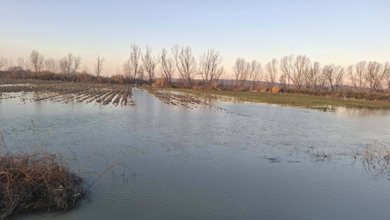
Vlora floods almost every year, and the most common answer is related to heavy rainfall or climate change. But the real problem is much closer to us and much more concrete: the water's path is cut off.
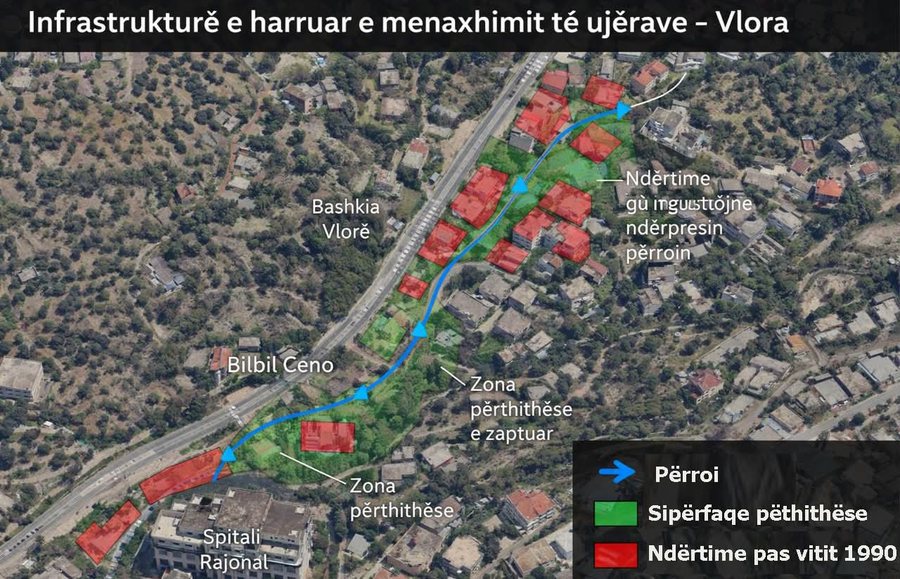
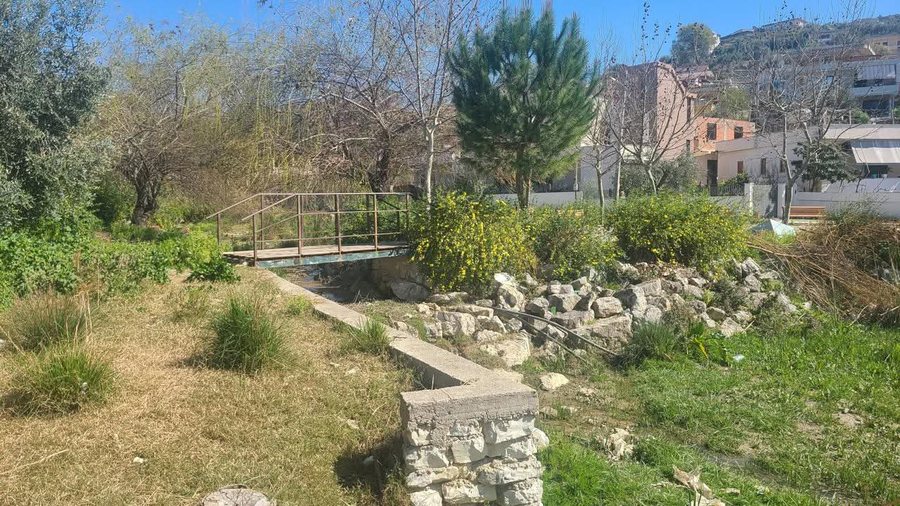
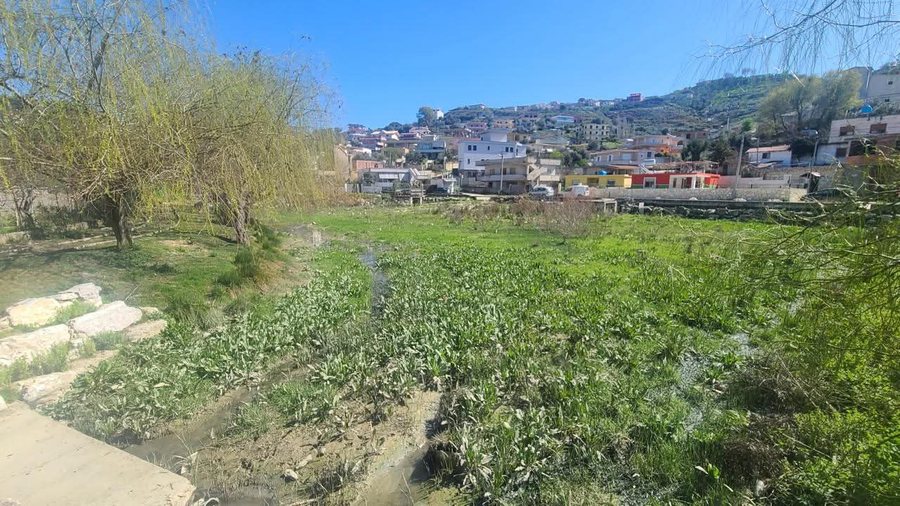
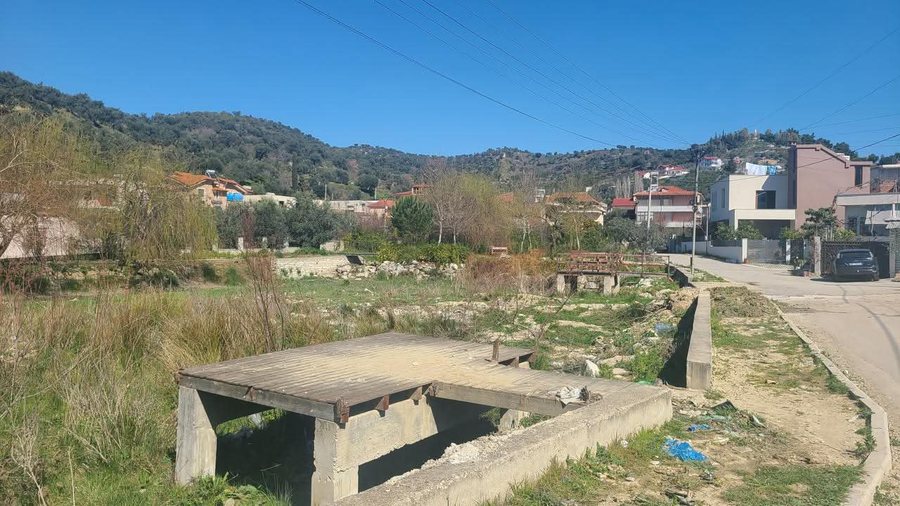
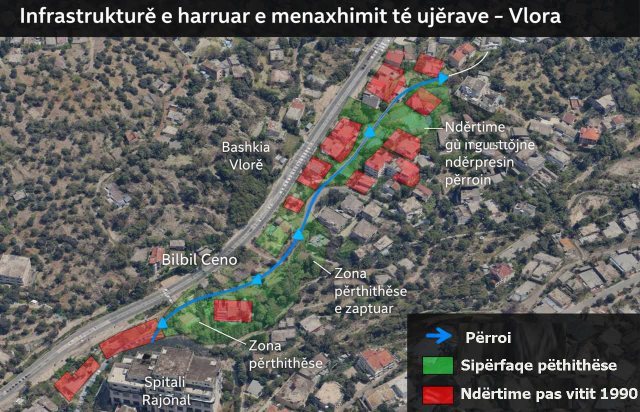
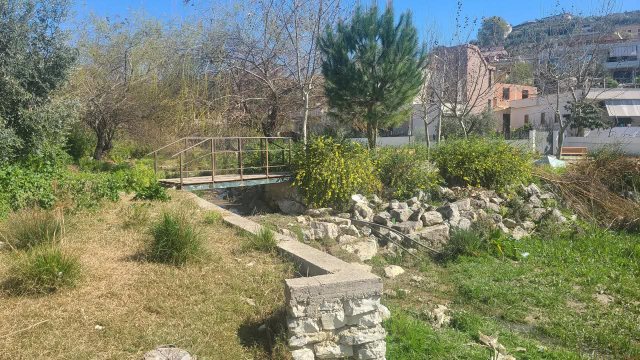
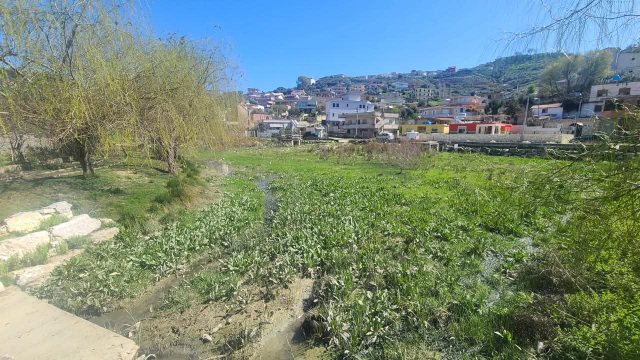
Not far from the Municipality of Vlora and directly above the city hospital, in the area of “Bilbil Ceno” Street, a functional infrastructure for rainwater management has existed for years. The area’s stream was widened, not inserted into a concrete channel, with lateral spaces that allowed for the natural absorption of water, green belts and small bridges that did not impede the flow.
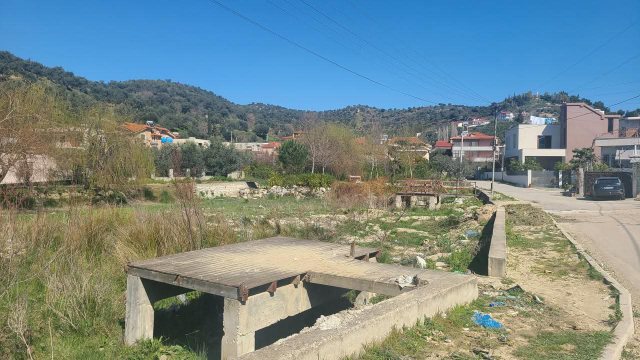
It was a simple but efficient system. Today, this infrastructure is either destroyed or forgotten.
This situation is not simply a consequence of intense rainfall. It is a direct result of illogical urban interventions, of permitted construction in areas that should have been free, and of a marked lack of institutional maintenance. The narrowing of the stream bed, the crossings that impede the flow of water, and the occupation of natural spaces have created a chain of decisions with serious consequences for the city.
What is known today as “blue–green infrastructure” has been around for a long time in Vlora. Back then, it wasn’t called that, it wasn’t fashionable, and it wasn’t an imported project. It was simply a smart and natural way to coexist with water.
Today, rain and streams are treated as problems, the spaces around them as construction land, and water as the enemy. But Vlora doesn't flood because it rains. It floods because water is denied its natural space.
Every faulty construction, every intervention without vision, and every institutional negligence are decisions. And every decision has consequences.
Vlora does not need miracles. It needs memory, responsibility and respect for the territory.