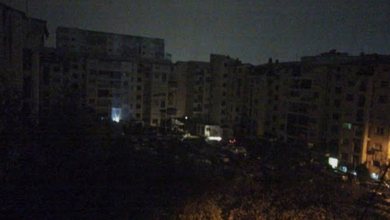



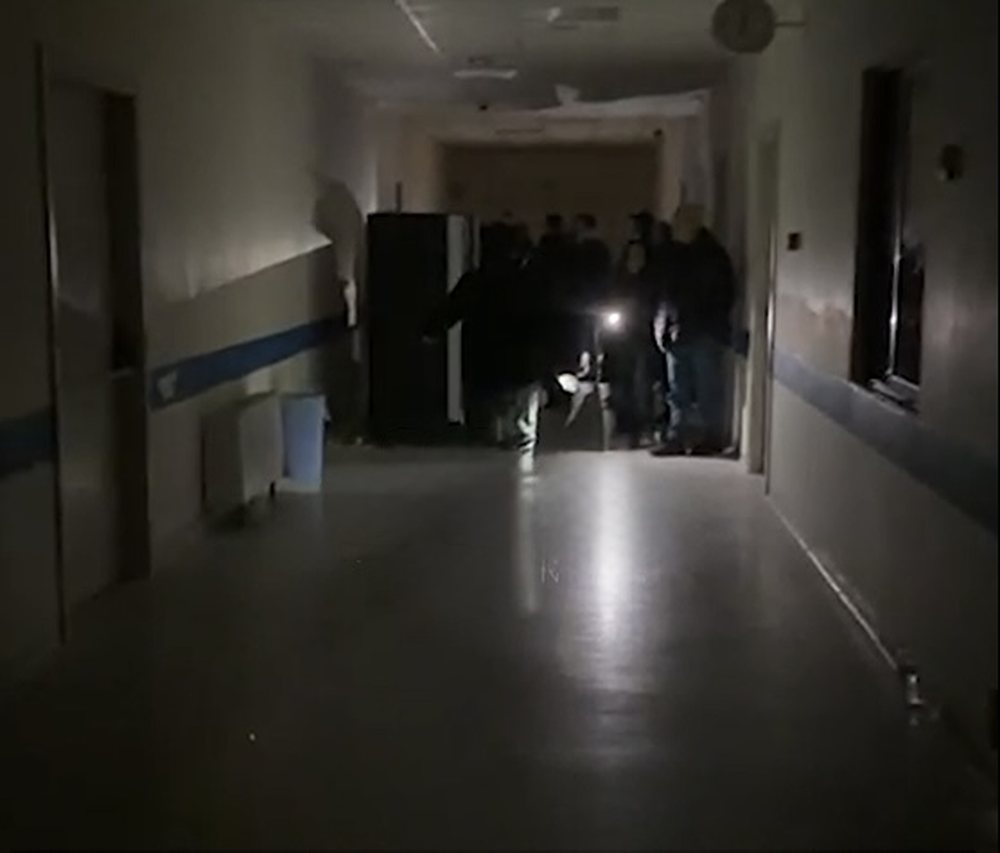
A serious and alarming situation was recorded last evening in the Emergency Room of the Mother Teresa University Hospital Center, which was left without electricity for over 30 minutes, creating tension, panic and real fear for the lives of patients, especially in the resuscitation service.
According to sources inside the hospital, the power outage was complete and the backup generator did not function, leaving the emergency and vital services in critical condition for minutes. Patients, families and medical staff experienced moments of anxiety, while the equipment that keeps patients alive was put at risk.
Electricity was restored only after about 30 minutes, but what followed was an official statement from the University Health Center that directly contradicts the reality experienced on the ground.
In its response, the Ministry of Health claims that the outage was the result of a defect in the high-voltage power supply line that supplies Building A2 and that thanks to the immediate activation of backup systems, UPSs and generators, vital medical equipment continued to function normally, without at any time endangering the lives of patients.
The statement goes further, assuring citizens that the situation has been managed responsibly and professionally, while medical, technical, and management teams have been on full alert and have acted according to safety protocols.
But the official statement itself is refuted by a simple and undeniable fact: QSUT immediately set up a working group to verify the situation.
If everything has been functioning "normally", if the generators have been activated without problems, and if the lives of patients have not been put at risk, then why is it necessary to establish an emergency working group?
Setting up a verification structure is not done for perfectly managed situations, but for failures, shortcomings or real risks. This action is, in itself, an indirect admission that something went wrong and that the official version does not match what actually happened in the Emergency.
The silence about the generator malfunction, the minimization of a power outage in one of the country's most critical services, and the attempt to present the situation as routine, raises serious questions about the real safety of patients and the transparency of the leaders of the health system.
A hospital emergency without power for over 30 minutes is not a “temporary outage.” It is an alarm. And an alarm is not covered up with standard statements.