

By Auron Tare
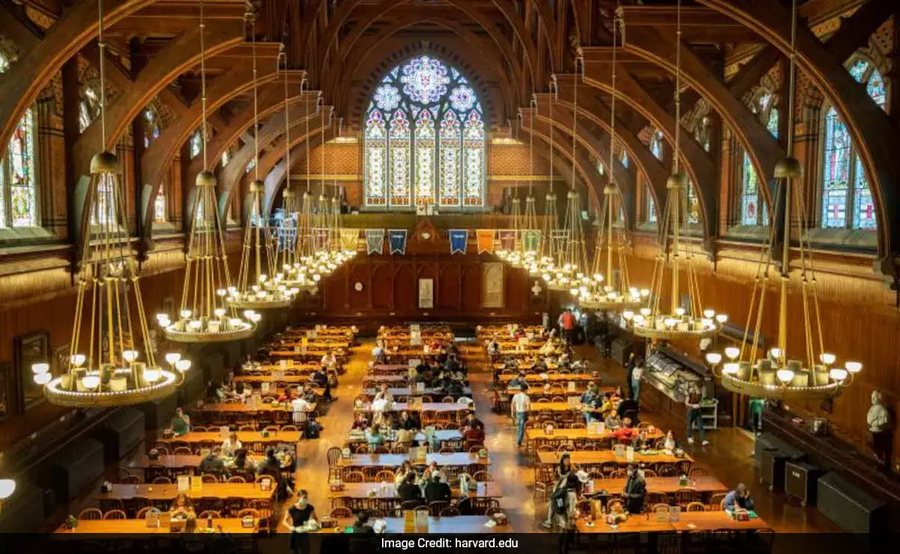
Yesterday I was at Harvard. In Harvard Square, the modest square of the university, the person I had arranged to meet was waiting for me, a distinguished professor of history and ancient Greek, of Balkan origin and with in-depth knowledge of the linguistics and history of the peninsula. He accompanied me and introduced me to the collection I had come to see, an extraordinary collection of Albanian culture, for which, unfortunately, our own institutions show little interest.
Beyond the long historical conversations and different perspectives on the events in our common Balkan “village,” I asked him about Albanian students at Harvard. He happily told me that Harvard now has lectures on the Albanian language and that Albanian students are distinguished by their perseverance and seriousness.
"What do they do when they return to Albania?" the professor asked me.
I was speechless for a moment. I didn't know what to say. I had no clear idea about whether they were returning to Albania or how many Harvard graduates are now part of the intellectual circle in Albania.
Why, he continued, is there no accurate idea of where they are engaged or what contribution they make there?
To avoid my ignorance, I diverted the conversation towards the collection I had come to see. We parted ways. The professor walked away towards the red buildings of the university, while I headed towards the train station.
His question, unanswered, remained in my mind the entire way back:
What do Albanian students at Harvard do for their country?
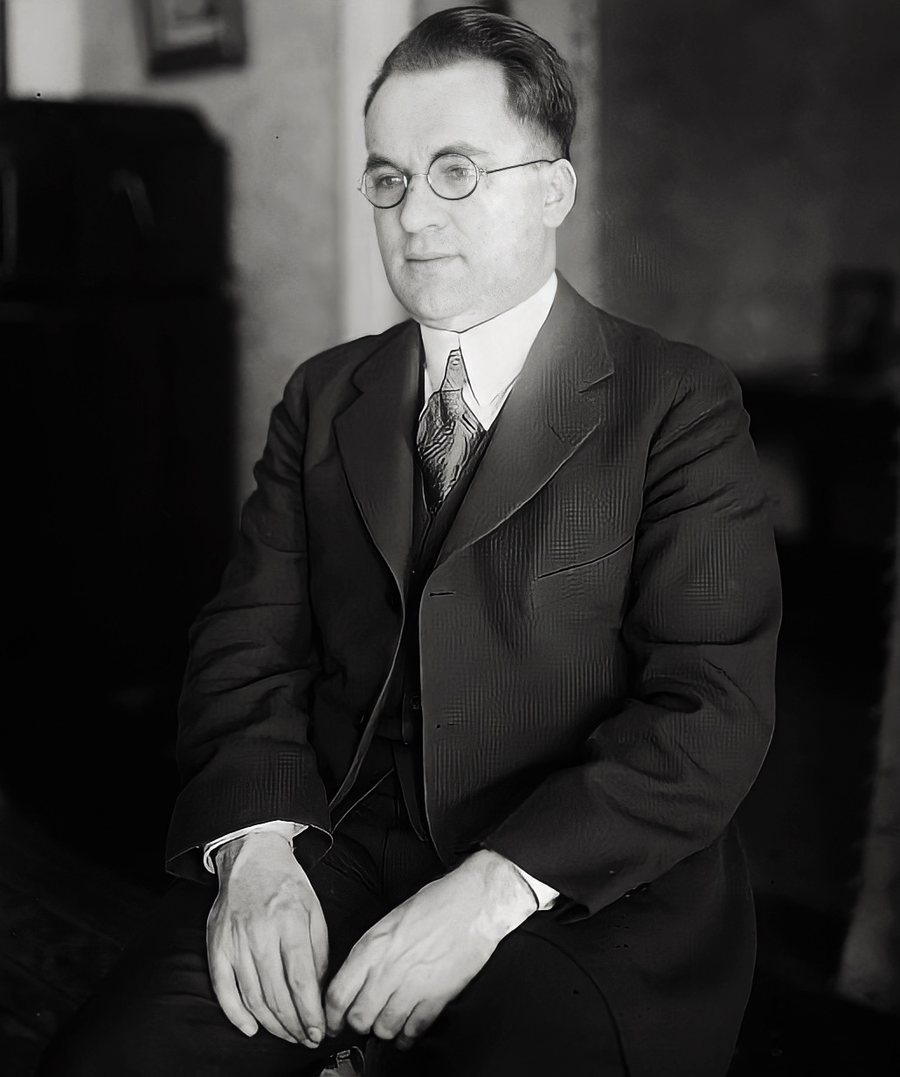
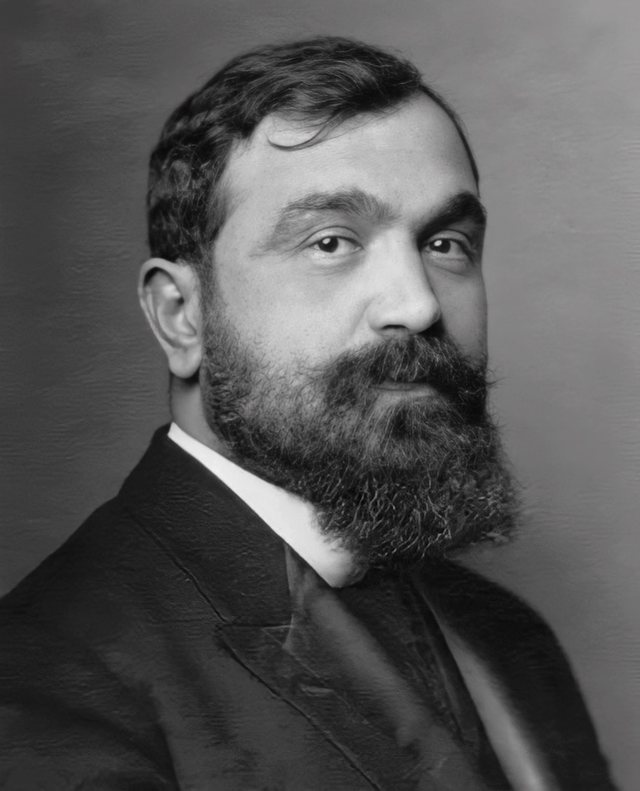
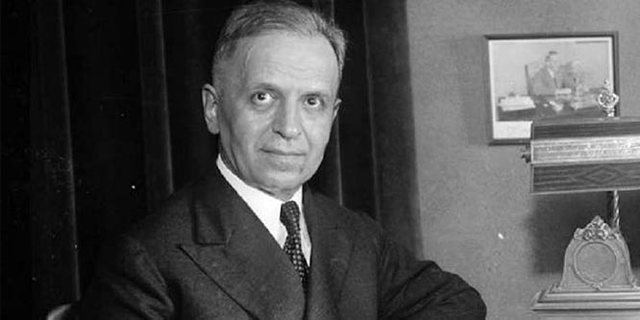
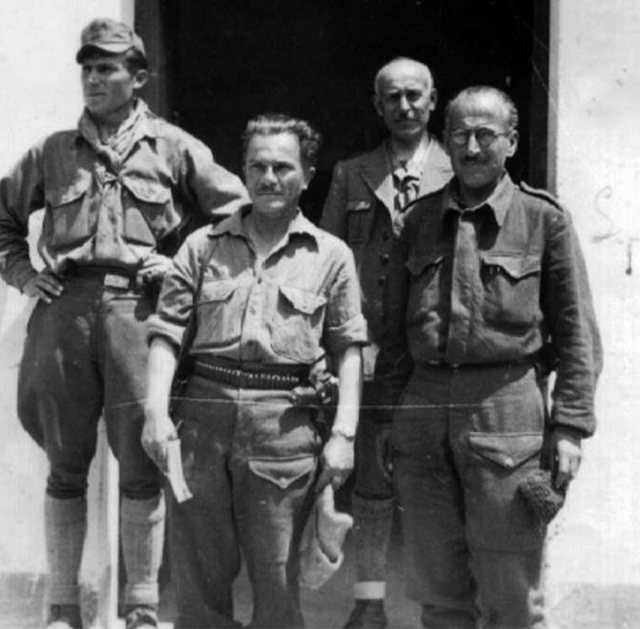
I didn't know the answer for today. But I do know about the first four Albanian students who were educated at this famous university. What did they do for Albania and how did they end up?
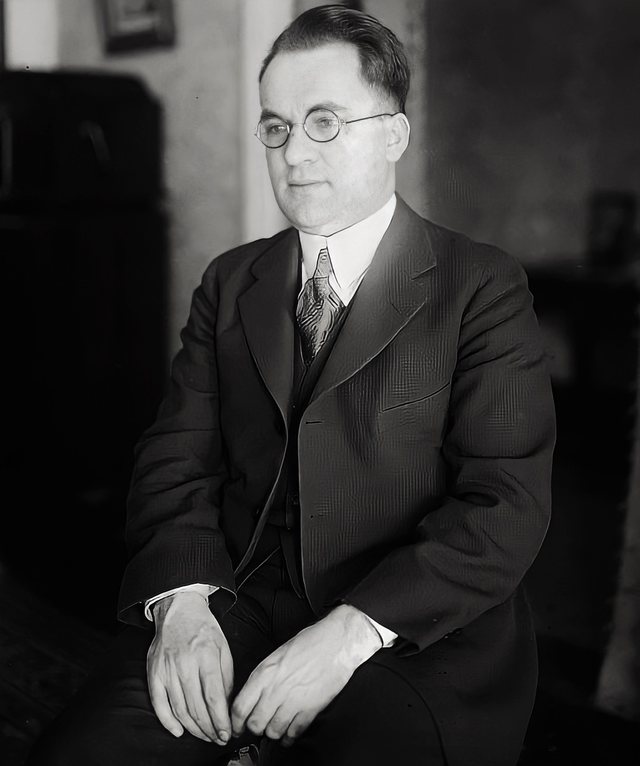
Fan S. Noli, graduated in 1912. Writer, translator, prime minister, bishop, tireless worker for Albania. He died lonely and in poverty, in Florida.
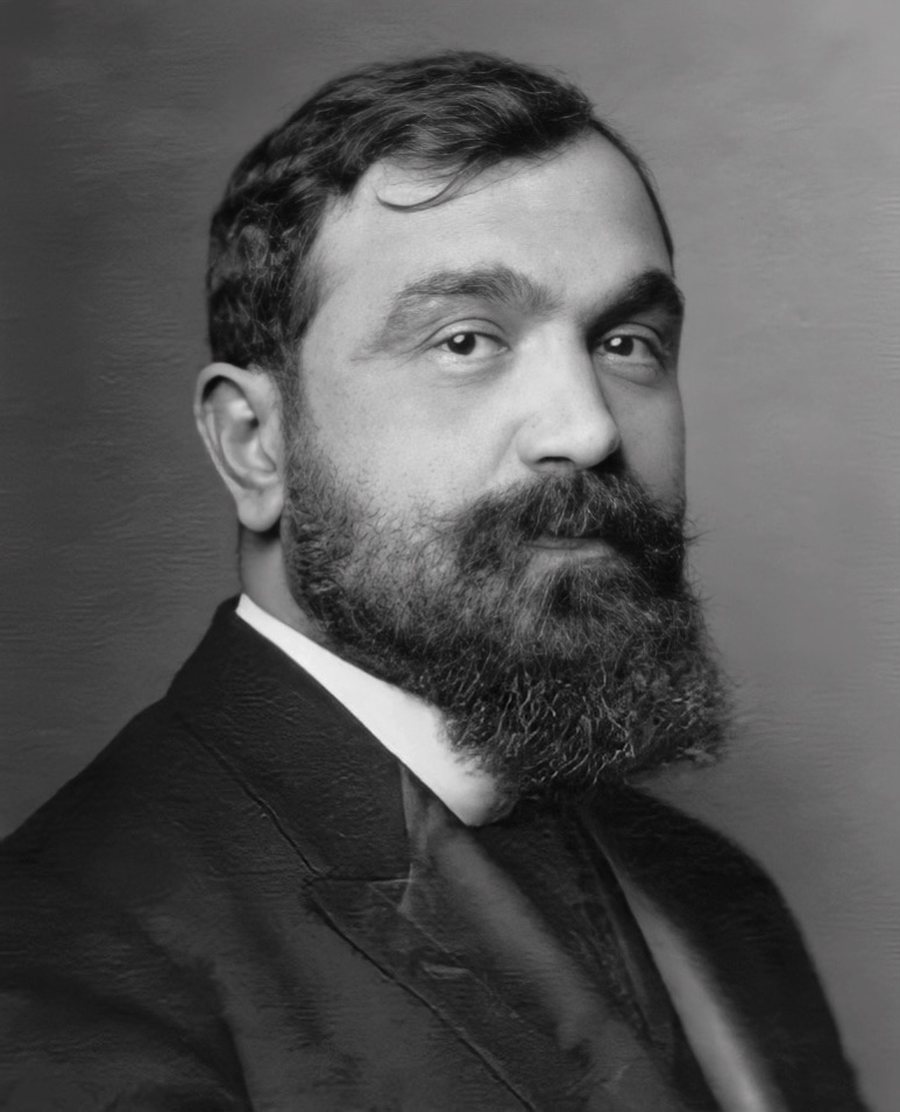
Faik bey Konica, an excellent scholar, patriot and a sharp pen against the ignorance of the motherland. Politician, journalist, publisher, diplomat. Graduated in 1912. He died alone in a hotel in Washington, with only five dollars in his pocket.
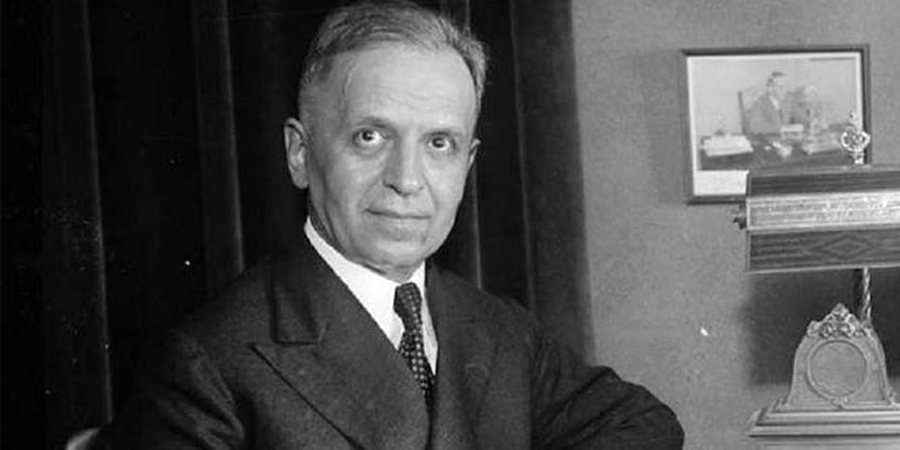
Koço Tashko, cultural and political personality, important contributor to the progressive leftist thought of the time. A naive communist. He died at an advanced age in prison, forgotten by almost all former friends of the revolution.
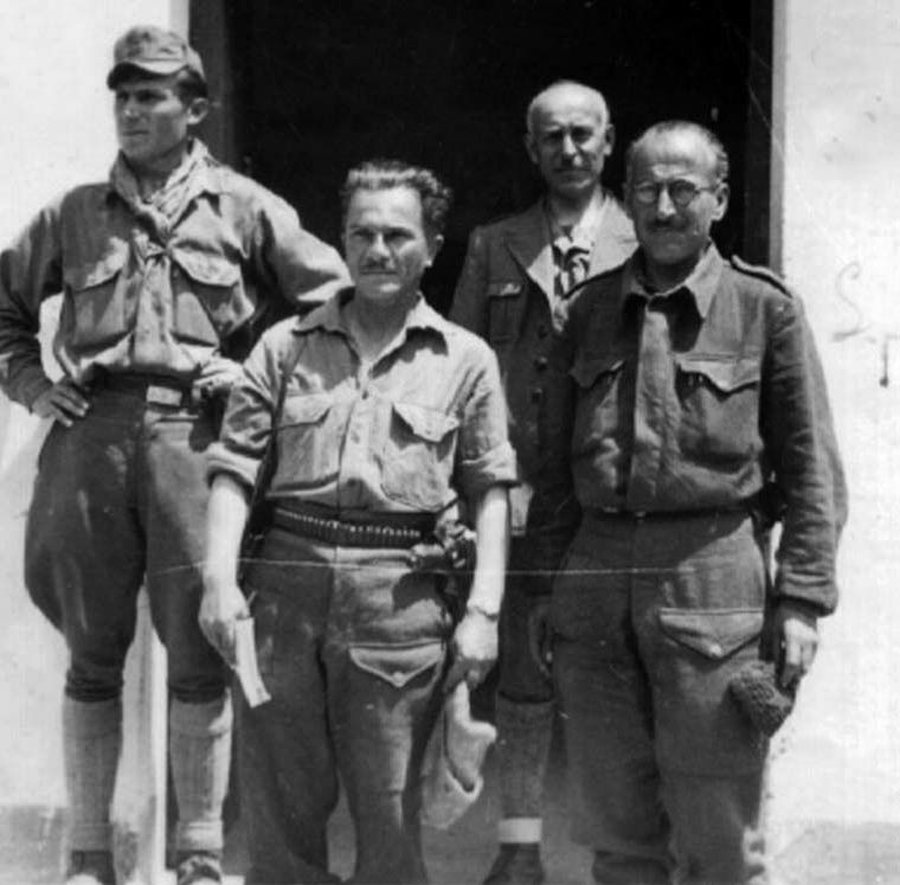
Kostandin Çekrezi, graduated from Harvard in 1918. Publisher, journalist, revolutionary, politician. Participant in the Fier Uprising. Sentenced to death and later pardoned. He dedicated his entire life and activity to Albania. He died alone, in complete poverty.