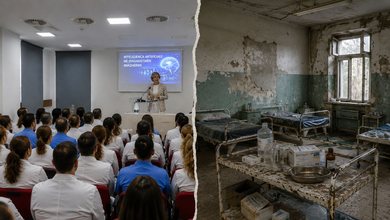



Hospital waste piled up in corridors and toilets, wards that do not meet basic hygiene standards, lack of running water, and clinics operating with incomplete documentation.
This is the panorama that emerges from inspections carried out during 2025 in hospitals, health centers and dental clinics in the country, where inspectors have identified problems that directly affect the safety and treatment conditions of patients.
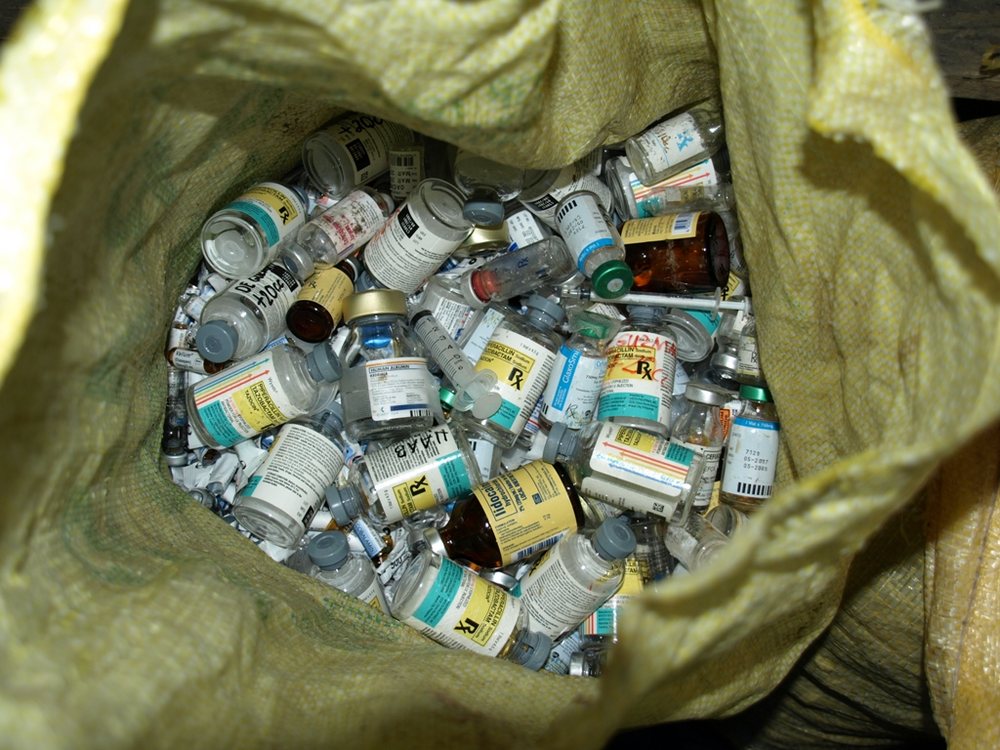
Data obtained from the State Health Inspectorate shows that during 2025, thousands of inspections were carried out in public and private healthcare institutions, where hospital waste management was one of the most problematic issues. In some cases, hazardous waste was stored in inappropriate environments, in corridors or toilets, or even in the same space as urban waste and cleaning equipment.
According to the report, 4,993 health inspections were carried out during 2025, of which 4,882 were inspections and 111 were re-inspections. As a result of the inspections, 13 fines, 11 interim decisions for urgent measures and 296 warnings were imposed.
One of the strongest findings relates to the way hospital waste is treated. The ISHSH notes that in some cases waste collection was carried out “in violation of established criteria”, in inappropriate environments, corridors and toilets, and even in the same space where urban waste or cleaning kits were deposited. The report also highlights a lack of infrastructure for the transportation and storage of hazardous waste within the territory of hospitals.
Another finding was related to the lack of training for personnel dealing with the treatment of hospital waste, as well as a lack of protective equipment. In some institutions, the procedure for source separation and labeling of hospital waste was not respected.
The problems are not limited to waste. The report mentions shortcomings in wards and emergency services, where in some cases the minimum surface area for patients according to established standards was not respected. Also, receptions and triage facilities in emergency rooms were only partially in compliance with hygiene and sanitation standards.
The ISHSH also highlights deficiencies in documentation, protocols and internal operating regulations in several hospitals and clinics. In primary healthcare entities, a lack of running water, depreciation of the electrical network, humidity, lack of medical equipment and lack of contracts for the disposal of hospital waste have been found./Monitor