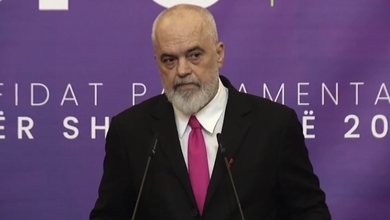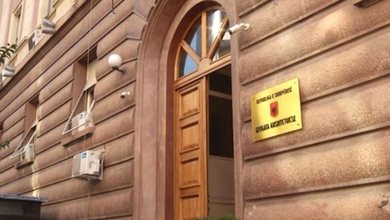



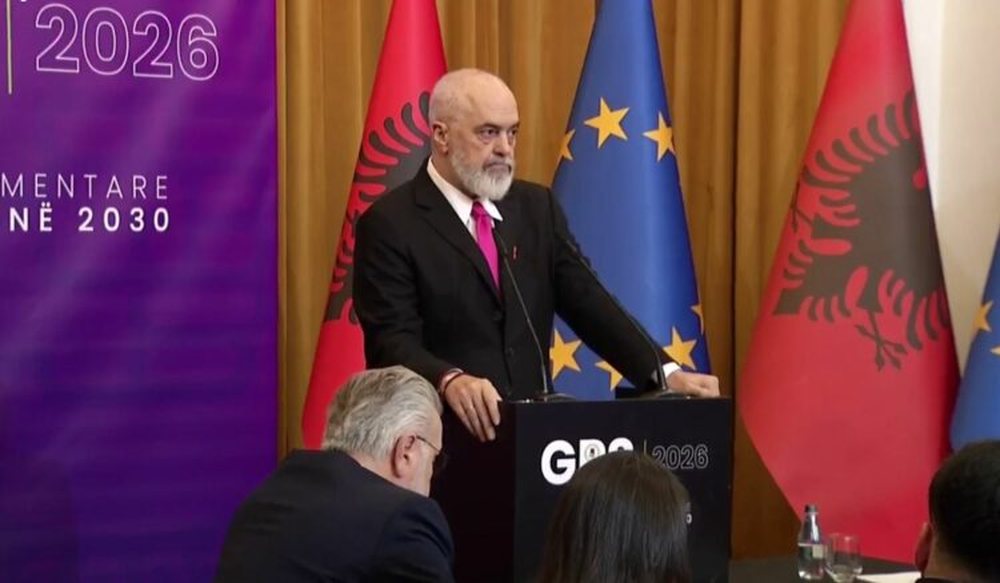
Prime Minister Edi Rama also addressed the AKSHI file at the parliamentary group meeting, coming to the defense of former director Mirlinda Karçanaj, currently under house arrest.
With a declared caution not to comment on the content of the investigation, Rama chose to comment on the atmosphere surrounding it. According to him, AKSHI – which he called “an institution of pride” – cannot become a “place to psychologically suffocate” engineers and employees who have worked overtime.
He emphasized the principle of the presumption of innocence, recalling that every person should be presumed innocent until proven guilty. But the strongest moment of his intervention was when he raised a rhetorical question: “What if Linda Karçanaj is completely innocent and not a criminal, part of a structured group?”
Rama ironized the public narrative that, according to him, has presented her as a character with "villas and cars," adding that she lives in a rented house and - as he said - does not even have a car.
Between the lines, the message was clear: before declaring someone guilty in public, justice must be waited for. In a climate where accusations fly faster than judicial decisions, the Prime Minister chose to emphasize the contrast between the figure of the "criminal" constructed in public and the profile he described as an official living in a rented house.
In the end, as justice continues its investigation, it remains to be seen whether this dossier will produce proven guilt or a long debate on the boundary between criminal liability and public trial.