


While the draft law on Sponsorships is being sold in festive packaging in the Parliament - as the medicine that will revive Albanian sports - a much more honest scene took place in the Football Federation about what really moves this game: power and money.
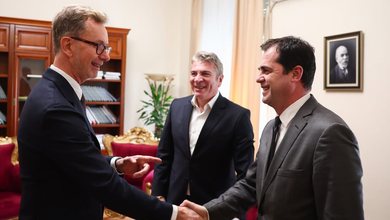
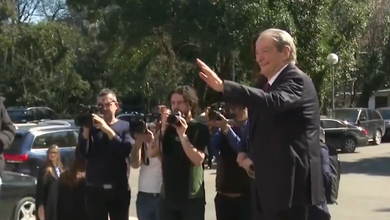
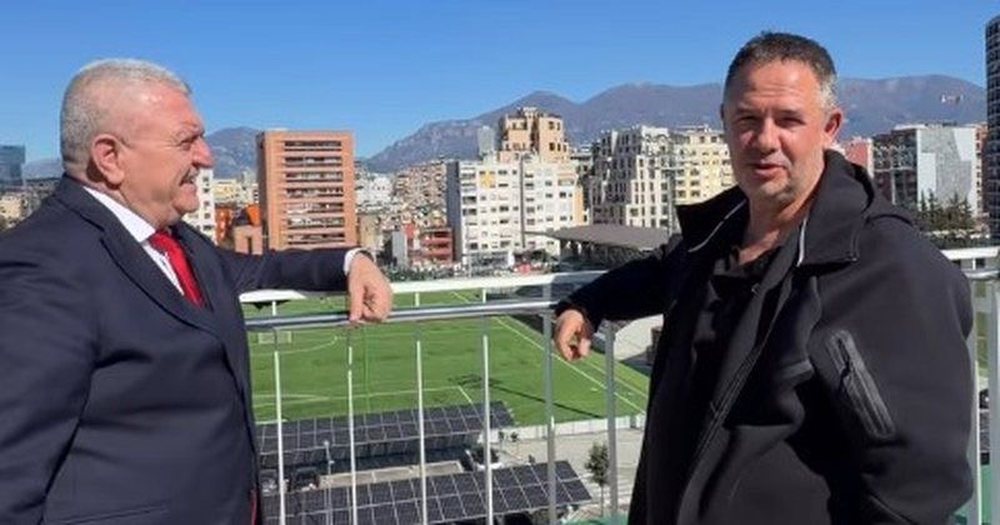
Samir Mane enters the federation to meet Armand Duka. Not as a fan, not as someone passionate about tactics or youth academies. But as a businessman who bluntly asks: if I get into football, will I lose money or can I make money?
The answer is equally devoid of romanticism: “You don’t actually understand football.” And that’s not a problem. Because football, in this version, is no longer a game. It’s a platform. It’s a territory of influence. It’s a space where management is worth more than knowing the offside rule.
The Duke's message is clear: don't just throw money, manage a club. Throwing some money is easy. Getting some money is easy. What matters is control. Direction. The name on the door.
In this “show” between two people who have built their success on the logic of influence and capital, football serves as the backdrop. The fans are extras. The game is the setting. The essence is who runs it, who decides, who wins – not on the stadium scoreboard, but on the scoreboard of interests.
Meanwhile, the Sponsorship Law awaits votes in the Assembly, with the promise of giving a boost to sports. But what was seen yesterday at the federation was much clearer proof: sports do not need a law to attract capital. They need agreements. For ambition. For people who see the club as an asset.
And so, between a joke about "you don't understand football" and an invitation to manage it, the real message was given: the game is only important for 90 minutes. Power and money last much longer.