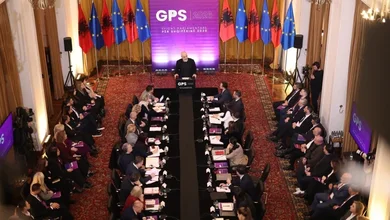


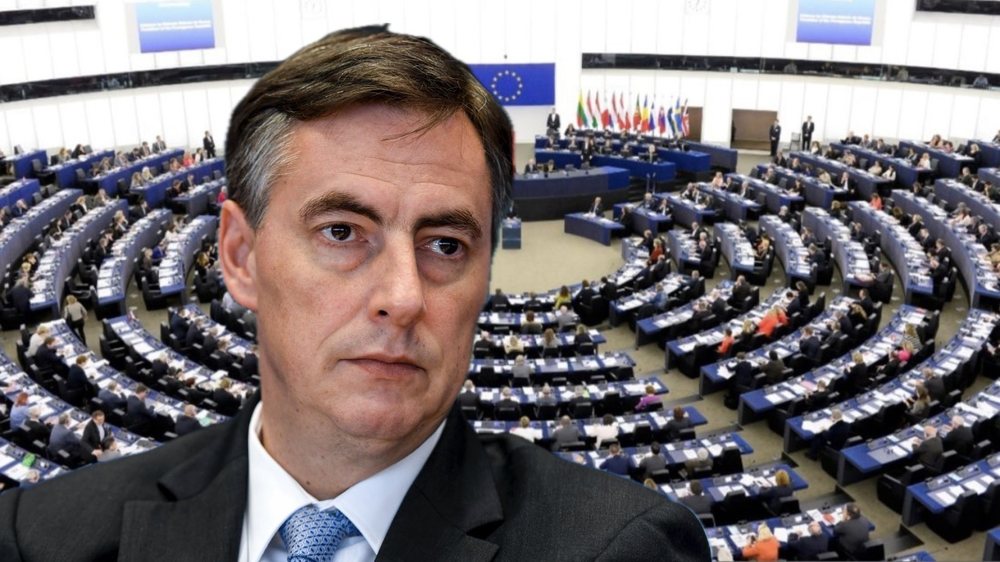
The European Parliament's Foreign Affairs Committee discussed Albania's progress in the integration process.
David McAllister stressed that while Albania has opened negotiations, support for progress continues. However, he underlined that the country needs to work even harder as it enters an important phase of the process. According to him, the process is strictly merit-based and directly linked to the fulfillment of the Copenhagen criteria.
The adoption of legislation is not enough, but concrete changes and their implementation in practice are required.
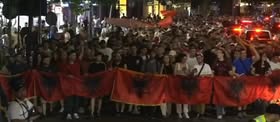
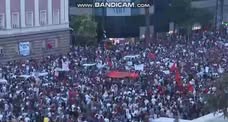
He also added that violent protests are not acceptable in a democratic society.
Rapporteur Andreas Schieder stated that the political climate in Albania is not the best possible. He mentioned concerns about the elections, suspicions of vote buying, as well as concerns about the undermining of political cooperation and the radicalization of political life.
According to him, especially in recent weeks there has been a strong radicalization, with a tendency to do politics on the streets and not in the hall of Parliament.
Corruption remains a major concern that needs to be addressed.
The priority now should be to close the negotiation chapters with concrete change, while the objective for 2027 is much more achievable.
MEP Andrey Kovatchev stressed that the fight against corruption must yield even more concrete results. Institutions such as SPAK must act independently and efficiently, free from political pressure.
He also focused on the ongoing investigations, including that of the Deputy Prime Minister, emphasizing that they must continue without any interference. The implementation of the law cannot be selective.
The consideration of the request for lifting immunity without any delay is the responsibility of the parliament.
Kovatchev also expressed concern about the amendments to the Criminal Procedure Code that aim to protect officials from suspension when they are under investigation.