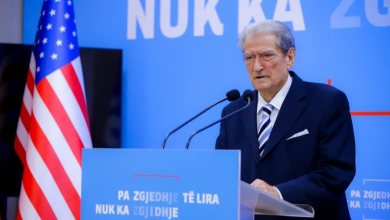



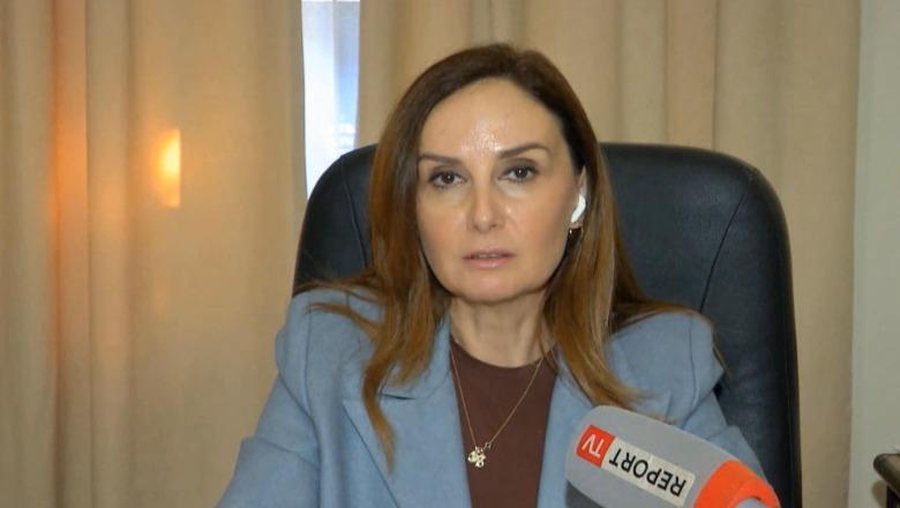
The Democratic Party has not yet found the time – or the will – to analyze the huge defeat in the parliamentary elections of May 11. But MP Jorida Tabaku seems to find it easier to talk about another analysis: that of the partial elections of November 9. Ironically, small losses have more priority than big losses.
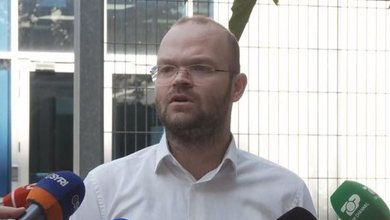
Tabaku said that “an analysis is definitely needed,” emphasizing that the November 9 elections “showed an ugly picture of democracy.” She brought up the example of Vlora, where the mayor was elected with only 6% of the vote — a result that, as she said, “not even a neighborhood administrator is elected with so many votes.”
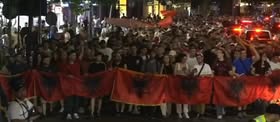
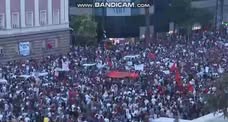
Meanwhile, with just as much energy, the MP declared that on Monday she will be simultaneously on several fronts: in parliament, in protest, in meetings with citizens and in discussions about the budget. If it were not Albanian politics, it would sound almost like superhuman abilities. But in reality it only creates the contrast that the opposition promises to be everywhere, when in fact it is not managing to be where it needs to be — in internal reorganization and resolving the leadership crisis.
However, Tabaku insists that actions will take place in parallel on several tracks, presenting this as a new opposition dynamic. Whether this sounds like a strategy or simply a mix of roles remains to be seen.