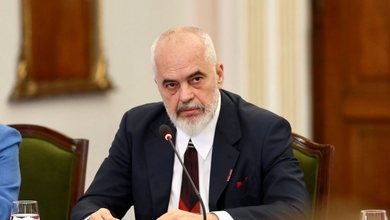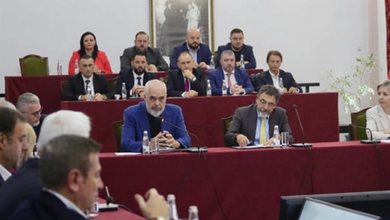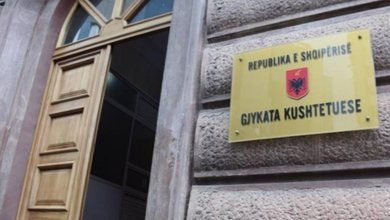




Following the Constitutional Court's decision and the reinstatement of the suspension of Deputy Prime Minister Belinda Balluku, the Socialist Party parliamentary group held a meeting where three political and institutional conclusions were crystallized, signaling a new clash between the majority and the special justice system.
Essentially, the message of the socialist majority was straightforward: it is not the political figure of Balluk that is being questioned, but the legal framework that allows the suspension of constitutional functions. For this reason, the SP warns of interference in the legislation.
The three main conclusions of the parliamentary group
1. Constitutional functions cannot be suspended because of a name
The majority considers that non-delegable constitutional functions — from the member of the government to the President of the Republic — cannot be suspended by anyone on the basis of an individual case.
According to this argument, the suspension of a minister is not simply a personal measure, but paralyzes the function and consequently the institution that he/she heads. This is seen as a dangerous precedent for the balance of powers.
2. The solution will come through legal changes
The Socialist parliamentary group stated that, based on the public statement of the Constitutional Court — where the judges acknowledge a problem, but are divided on how to solve it — the Socialist Party will engage in intervention in the legislation.
In other words, the majority acknowledges that there is a legal gap or ambiguity, but seeks to resolve it politically through Parliament, not through the withdrawal of the minister.
3. SPAK benefits from the suspension, but there is no procedural urgency
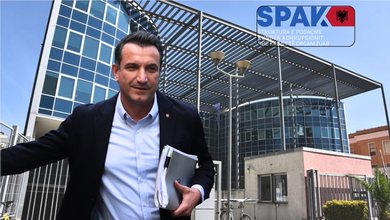
According to the socialists, the only party that "wins" from the reinstatement of the suspension is SPAK, since under these conditions it can continue the investigation without functional pressure from the minister.
However, until the legal framework changes, the majority assesses that there is no urgency to address the new requests that SPAK presented after the suspension measure was lifted.
The political stance of the majority
The majority made it clear that the battle is not against the new justice, but for its institutional limits:
“SPAK is not affected, only supported.”
The freedom and right of every prosecutor to investigate anyone and anything are not questioned — on the contrary, they are guaranteed.
Also, according to the SP, the independence of the legislative and executive branches is not violated by this approach; on the contrary, it aims to strengthen it through clearer legal regulation.
What's next?
With this line, the Socialist Party signals that it will open a legal debate in Parliament on the limits of the suspension of constitutional functions, while Belinda Balluku remains the symbol of this institutional clash — not as an individual issue, but as a political precedent.
In practice, this means:
the law is changed, but Balluku does not "surrender".