


By Muriel
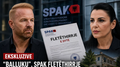
The evening of February 18 on “Top Story” was not simply a television debate on the latest SPAK files. For keen observers of power and the media, it was a pure display of what is known as the “Media Protection of Criminal Groups”. While SPAK prosecutors try to piece together the difficult files of Ergys Agas and his dubious connections, another game is being played in the “prime-time” studios: the deconstruction of justice through the mouths of paid analysts.
The phenomenon of analysts like “Karamuço & Co” is no longer a coincidence, but an industry in itself. When organized crime is hit in its assets — like the case of the freezing of around 500 million euros that was discussed last night — the gangs’ first instinct is not to escape, but to buy the narrative.
The question that arises is simple: Why does an analyst, who is supposed to be on the side of the law, use all his television time to attack the legality of Sky ECC wiretaps or to warn of "economic collapse" from SPAK seizures?
The answer lies in the invisible transaction. Analysts are not always bought with envelopes; they are bought with:
1. Selective information: Gangs give them parts of the file to make them appear “well-informed”.
2. Facade sponsorships: Companies that launder criminal money pour funds into the portals of these analysts.
3. Mutual protection: The analyst protects the criminal today, so that the criminal can guarantee the analyst's inviolability tomorrow.
What we saw in Grida Duma's studio was a clear manual on how to "water" a criminal file. The strategy is followed in three steps:
• Step 1: Technicalization of Crime.
Instead of talking about kidnappings or corruption, analysts focus the conversation on “procedure.” They say, “It doesn’t matter what they say on the phone, what matters is whether the Sky ECC server was certified.” This shifts the focus from the beast to the hair.
• Step 2: Targeting Prosecutors.
By presenting SPAK prosecutors as "incompetent" or "politically influenced," analysts build the image of a justice system that is taking revenge, not punishing.
• Step 3: Transforming the criminal into an “Economic Engine”.
The argument that confiscating dirty money is “killing business” is the lowest form of blackmail that can be made against a society. The analysts who defend this thesis are, in effect, the spokespeople for the gangs' bank accounts.
If lawyer Maks Haxhia has a legal duty to defend his client, the analyst does not have this duty. When the analyst appears as an “independent expert” and defends the same line as the lawyer, he commits a public fraud. He uses his credibility to “cleanse” the image of characters accused of serious crimes.
This is an open attack on the New Justice. When gang money buys the "rostrum" at dinner, the citizen begins to suspect SPAK and the international partners who uncovered the wiretaps.
Shows like last night's should serve as a bell of testimony. We are not dealing with freedom of speech, but with a logistical infrastructure of crime that operates within the television studio. Until the media is cleansed of analysts who receive salaries from the "bankers of the underworld", the screen will remain the largest laundromat for dirty money in Albania.