


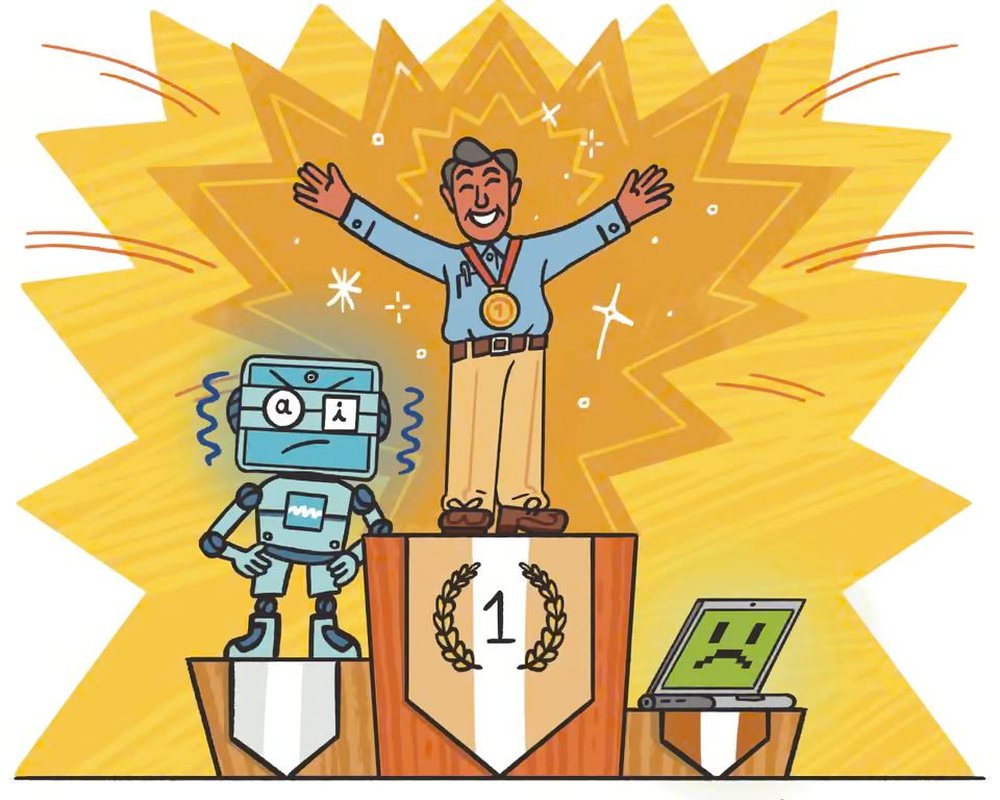
Translators in Europe are facing a new crisis as artificial intelligence is rapidly changing the translation industry and significantly reducing the demand for human labor.
A recent survey in France found that 79% of translators believe that AI risks replacing part or all of their profession. In Britain, 84% of translators said they expect demand and pay to decrease due to the new technology.
Translator Laura Radosh from Berlin says she used to get about four job offers a month, but now she barely gets one. Most of them are “post-editing” jobs, where the translator corrects machine-generated text.
“Post-editing takes me as long as translating from scratch,” she says, while the fees are much lower than before.
However, translators and researchers argue that artificial intelligence continues to have serious problems with human context, style, and emotion.
One case mentioned in the article relates to an academic book on Marx, where the DeepL system incorrectly translated the word "Capital" as "capital" rather than "capital", creating absurd results.
British translator Katy Derbyshire says AI fails to understand human dialogue and emotion.
"My body has experienced the pain and joy that literature tries to convey. I understand what someone screams when they bang their finger on the bed. An algorithm doesn't understand," she says.
Experts say that literary translation remains more protected than technical translation, as authors and publishers are increasingly placing clauses prohibiting the use of AI in translations.
However, translators' biggest fear is not just technology.
“I’m not afraid of AI, because I know it can’t do what I do,” says Danish-German translator Marieke Heimburger. “I’m afraid of people who believe AI can do my job.”