


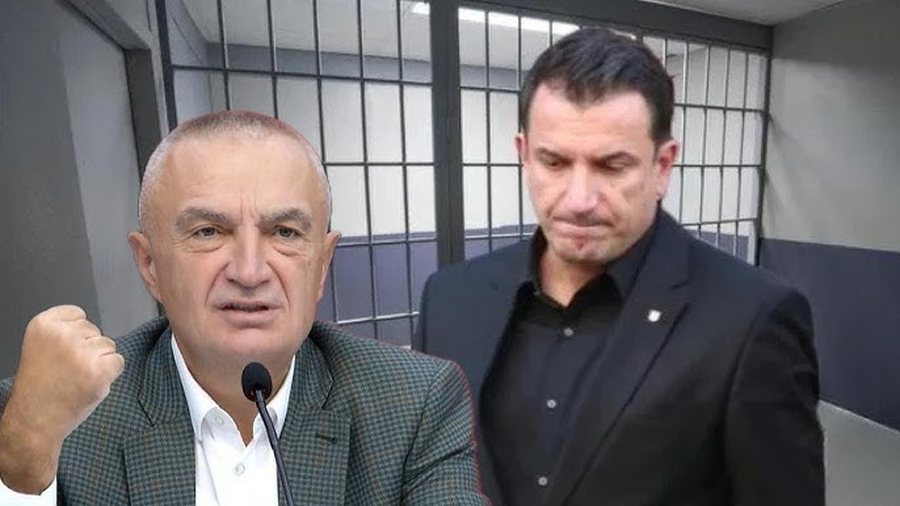
Friday, December 5th, will be a crucial day for two of the country's leading political figures currently in prison, Ilir Meta and Erion Veliaj. The GJKKO is expected to decide whether the files against them will go to trial or be returned for additional investigations.
Today's hearing for Ilir Meta comes after the postponement of the November 27th date, when his lawyer requested time to familiarize himself with the documents, arguing that he only had the request to send the case to trial. This request, accepted by the court, moved the decision to December 5th, where it is expected to decide whether the file will get the green light for trial.
SPAK closed the investigation on July 28 and sent the case for trial at the end of August, merging three separate investigations into one file: CEZ-DIA, LSI lobbying in the US, and the wealth investigation. Meta and Monika Kryemadhi are accused of passive corruption, money laundering, and failure to declare assets, while Kryemadhi's mother, Fatime Kryemadhi, is accused of money laundering.
Meta has been in prison since October 2024, making this process not only legally but also politically heated. Today's decision is expected to provide signals for how high-profile cases will be handled in the coming months.
On the same day, the GJKKO also examines the fate of the file of the mayor of Tirana, Erion Veliaj, who has been in detention since February on a series of charges, including money laundering, passive corruption in 9 episodes, abuse of office and bringing prohibited items into the cell. His wife, Ajola Xoxa, faces charges of failure to declare assets, concealment of income and money laundering.
The hearing was scheduled after Veliaj appeared in court on December 2 and requested time to familiarize himself with the documents, claiming that he had not been able to understand the charges and that his right to effective defense had been consistently violated. He requested physical copies of the file, arguing that the USB stick handed over to the lawyers is unusable in pre-trial detention conditions.
Beyond the criminal aspect, the Veliaj case has produced a strong institutional clash. On November 3, the Constitutional Court reinstated him, overturning the government's decision to dismiss him and the President's decree calling elections. Just a few weeks later, on November 27, Veliaj again appealed to the Constitutional Court, this time against the courts' decisions on the measure of arrest.