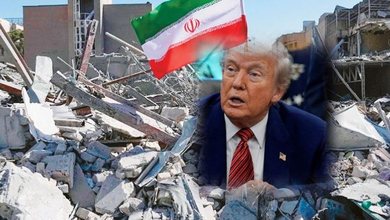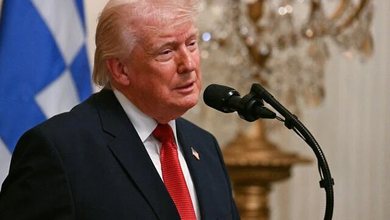
A sudden change of course has occurred in the White House regarding the war in Iran. The American media outlet The Wall Street Journal reports that US President Donald Trump has told his aides that he is willing to end the US military campaign against Iran even if the Strait of Hormuz remains largely closed.
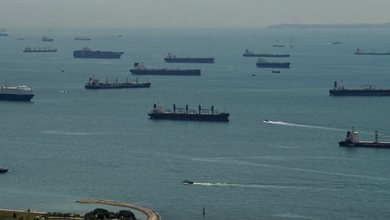
Such a decision could prolong Tehran's firm control over this strategic waterway and postpone a complex operation to reopen it.
According to the American newspaper's report, in recent days Trump and his advisers have estimated that a military mission to reopen the strait would prolong the conflict beyond the timeframe the American administration had anticipated - about four to six weeks.
For this reason, the president has decided that the US should focus on its main objectives: weakening the Iranian navy and its missile capabilities, while at the same time exerting diplomatic pressure on Tehran to resume the free flow of trade in the strait.
If that strategy fails, Washington could push allies in Europe and the Persian Gulf to take the initiative to reopen the sea route, officials told the WSJ. Military options remain on the table, but they said they are not the president's immediate priority.
Over the past month, Trump has made various and often contradictory statements about how to handle the Strait of Hormuz crisis. On some occasions, he has threatened to bomb Iran's energy infrastructure if the strait is not reopened by a certain deadline. On other occasions, he has downplayed its importance to the United States, saying that closing it is a problem that other countries should solve.
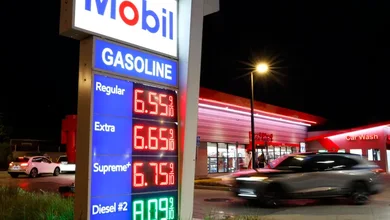
The longer the Strait of Hormuz remains closed, the greater the impact on the global economy and energy prices. Many countries – including US allies – are facing a decline in energy supplies that previously flowed freely through this strategic corridor.
Industries that depend on products like chemical fertilizers for agriculture or helium for the production of computer chips are already facing shortages.
Analysts warn that without a rapid restoration of safe passage through the strait, Tehran will continue to wield a powerful tool of pressure on world trade – until the US and its partners either reach a deal or end the crisis by force.