Iran has seized two ships in the Strait of Hormuz, just a day after US President Donald Trump announced he was indefinitely suspending military strikes on Tehran. However, there is no sign of peace talks resuming.
After threatening to resume bombing, Trump made a surprise U-turn, saying the U.S. would extend the ceasefire until it considers an Iranian proposal as part of negotiations to end the two-month war. Iranian authorities have not confirmed that they have agreed to the extension and have criticized the continued U.S. naval blockade of Iranian ports.
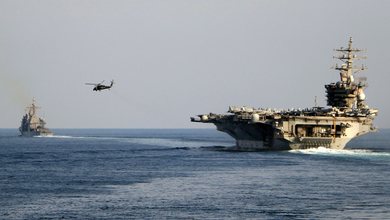
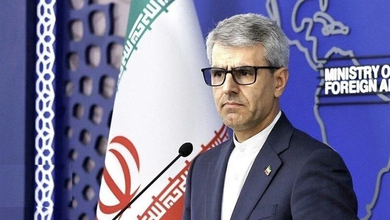
The chief Iranian negotiator, Mohammad Bagher Ghalibaf, stressed that a full ceasefire only makes sense if the blockade is lifted.
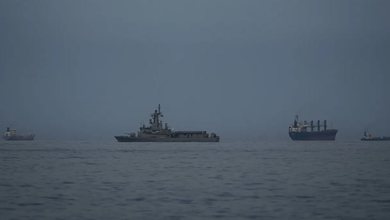
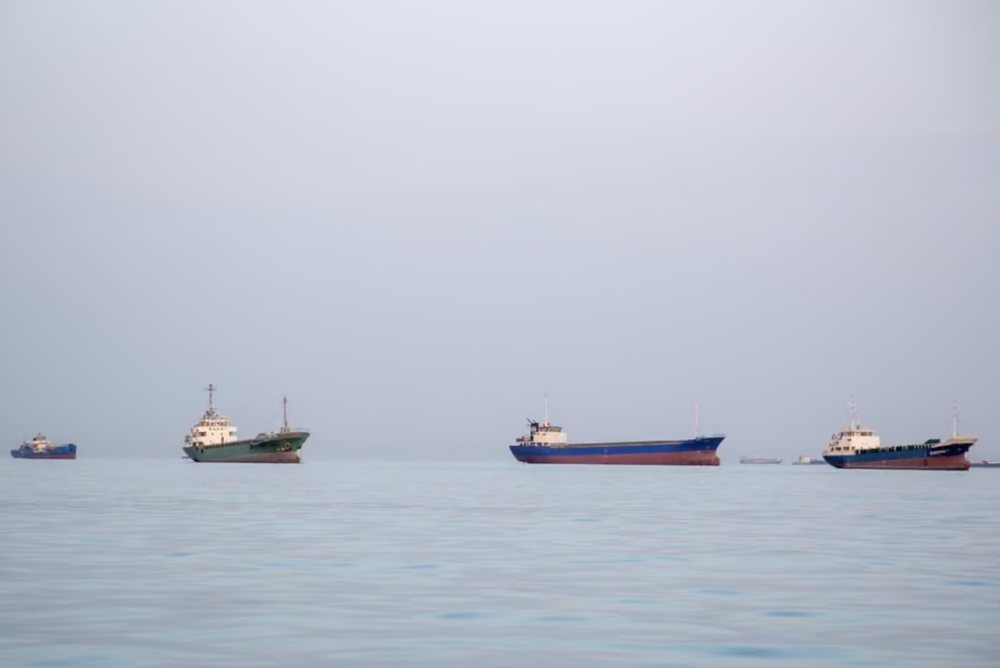
Meanwhile, Iran's Islamic Revolutionary Guard Corps said it had seized two ships for "maritime violations" and escorted them to Iranian shores. This is the first time Iran has taken such action since the start of the war in late February.
According to the White House, Trump is "happy" with the naval blockade and believes Iran is in a weak position. He has not set a deadline for Tehran to submit a proposal.
In an unexpected development, the Pentagon announced the immediate removal of US Navy Secretary John Phelan, without giving an explanation.
Meanwhile, Turkish President Recep Tayyip Erdoğan warned that the US-Israeli conflict against Iran is weakening Europe and called for an approach that prioritizes peace.
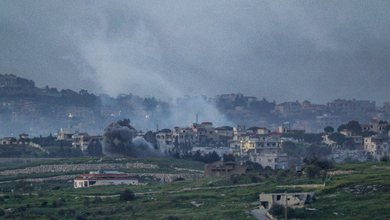
The situation in the region remains tense, including in Lebanon, where Israeli attacks in the south have resulted in casualties, including journalist Amal Khalil. Lebanese authorities have described the targeting of journalists as a war crime.
Meanwhile, oil prices surged after Iran said it would not reopen the Strait of Hormuz due to the US blockade. US WTI crude rose more than 4%, while Brent climbed more than 3%, before stabilizing.
In the Palestinian territories, two people, including a 14-year-old student, were killed in the West Bank after attacks by Israeli settlers near a school.
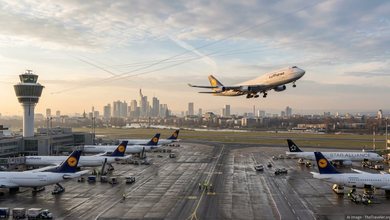
The economic consequences are also starting to be felt in the aviation sector. United Airlines has increased ticket prices by 15-20% and reduced flight capacity for 2026, due to rising fuel prices.