Bulgaria's ruling coalition announced on Thursday that it would resign, following one of the largest outbreaks of protests in the country's history.
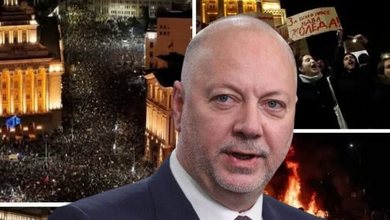
"Young, old, people from different ethnic groups have raised their voices and demanded our resignation. We support this civic energy," said Prime Minister Rossen Zhelyazkov of the GERB party, diplomatically announcing the end of the coalition after a year in power.
The coalition consisted of GERB, the center-right force that has dominated Bulgarian politics since 2008 led by Boyko Borissov, the pro-Kremlin Bulgarian Socialist Party, and the nationalist "There is Such a People" party, supported in parliament by the oligarch sanctioned by the US Magnitsky Act, Delyan Peevski, and the "New Beginning" party.
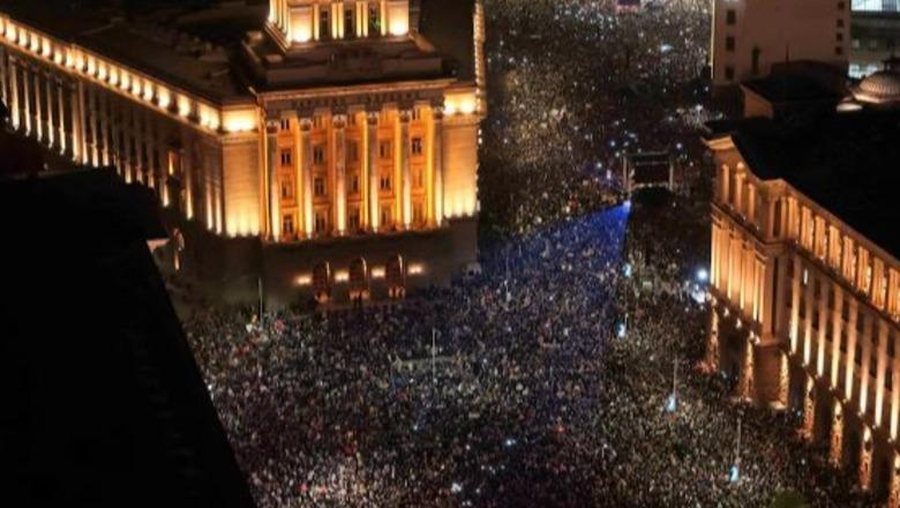
Tens of thousands of people have taken to the streets since November 26, with protests in the capital Sofia likely drawing more than 100,000 participants, drawing mainly young people to call for a better future. This number has surpassed previous waves of protests in 2013–2014 and 2020–2021, which also targeted Peevski and Borissov.
The escalation of anger was triggered by the government's 2026 budget, which proposed higher taxes on the private sector to finance wage increases in the public sector, a shortcut, according to critics, to greater government control over the public administration, the military and the police.
Despite promises of revisions, the wave of protests, led by the pro-EU duo "We Continue Change" and "Democratic Bulgaria", did not subside, expressing deep dissatisfaction with the power structures in Bulgaria and a desire for comprehensive change in the political scene.
Peevski declared on Thursday that "a Soros coalition is to blame," referring to billionaire philanthropist George Soros, despised by many nationalists in Europe.
The coalition's move was unexpected, as previous protests had not achieved such a result.
The resignation came just before a no-confidence motion in parliament, which was unlikely to pass, as the coalition holds a majority of seats. Despite the risks of further tensions and clashes, the coalition was essentially not in danger.
The government's fall will coincide with Bulgaria's entry into the Eurozone on January 1 and will lead to early elections in early 2026, the seventh general election since 2021.
The resignation is expected to strengthen "We Continue Change" and "Democratic Bulgaria" ahead of the upcoming elections, however until then the country will be governed by an interim cabinet chosen by pro-Russian President Rumen Radev./ Balkaninsight/