From the Financial Times:
Senior Ukrainian officials are accused of profiting from projects to protect power plants during wartime, sparking widespread public outrage.
Fabrice Deprez, Kiev — Published on November 15, 2025
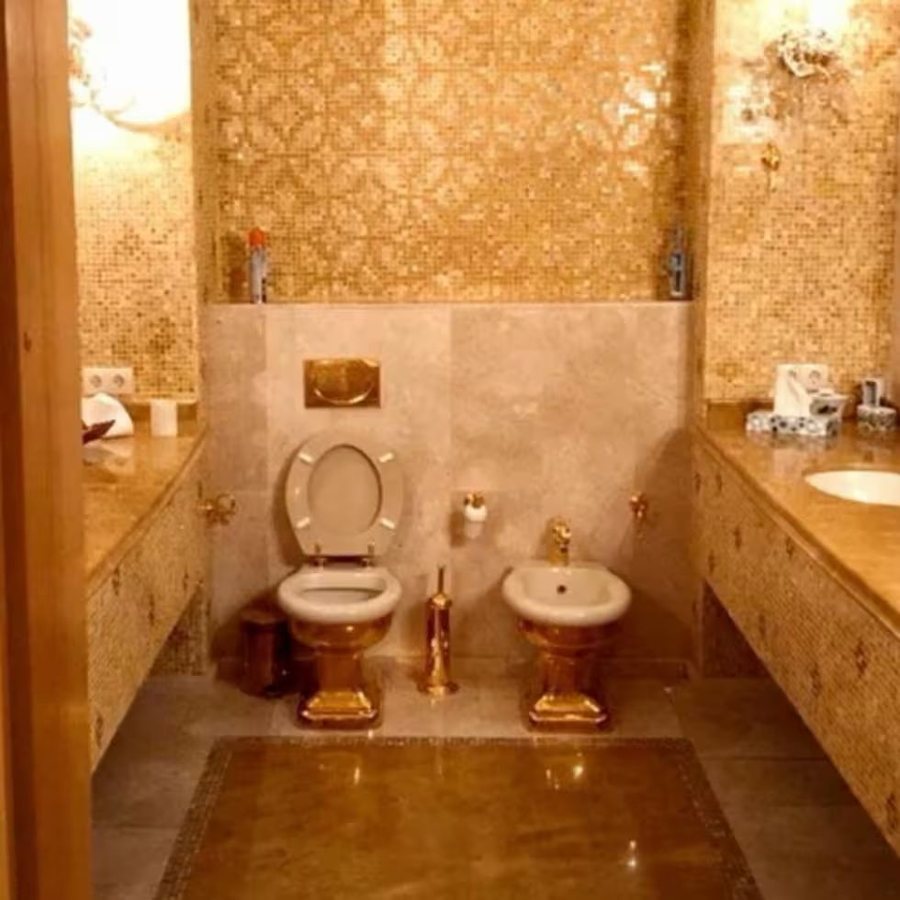
Photos from raids on luxury apartments in Kiev, including a gold-covered toilet.
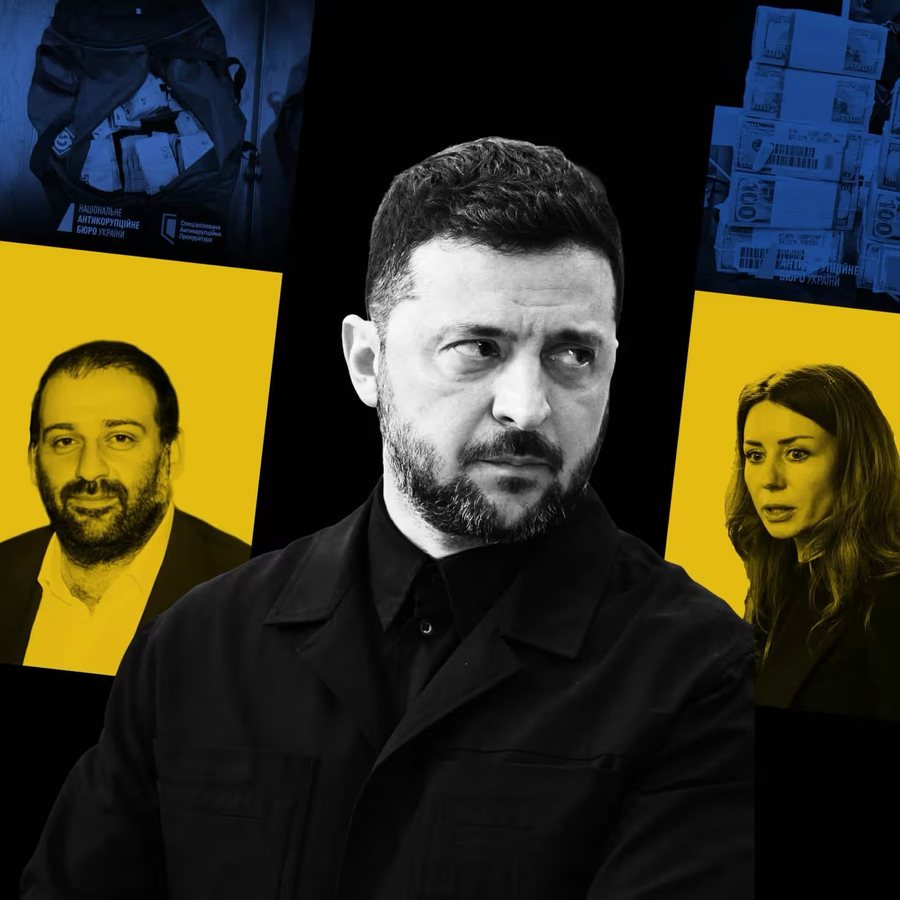
View of bags filled with money.
Audio recordings showing officials discussing money laundering schemes.
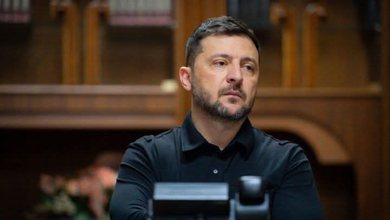
These are some of the details that have shocked Ukrainians over the past week, as President Volodymyr Zelensky's administration has been engulfed in the biggest corruption scandal since he came to power - at a critical moment in the war.
Zelensky and his inner circle tried over the summer to limit the power of independent anti-corruption agencies as they finalized a wide-ranging investigation into the president's inner circle. But mass protests and strong pressure from Western partners forced him to back down.
Investigators this week released a raft of evidence, including shocking allegations that senior officials had taken bribes from construction projects to protect power plants from Russian attacks - at a time when Ukrainians face daily power outages.
The revelations sparked public outrage. “How the president’s friends robbed the country in wartime,” ran a headline in Ukrainska Pravda. Zelensky was forced to change tack.
On Wednesday, the president demanded the resignation of Justice Minister German Galushchenko and Energy Minister Svitlana Hrynchuk; both were also removed from the National Security Council.
Zelensky also imposed sanctions on Timur Mindich, a friend and former business partner who is charged in the case. Investigators say Mindich was a co-organizer of the scheme and that about $100 million in dirty money passed through his office.
“He controlled the 'laundry', where criminally obtained funds were laundered,” the National Anti-Corruption Bureau (NABU) said. Mindich could not be reached for comment.
Despite Zelensky's turnaround, his approach has been criticized as belated and weak, as politicians await new revelations that could further damage his close allies.
“We cannot allow the Ukrainian president and government to lose legitimacy in times of war,” wrote analyst Serhiy Fursa. “We risk losing the state, just like in World War I.”
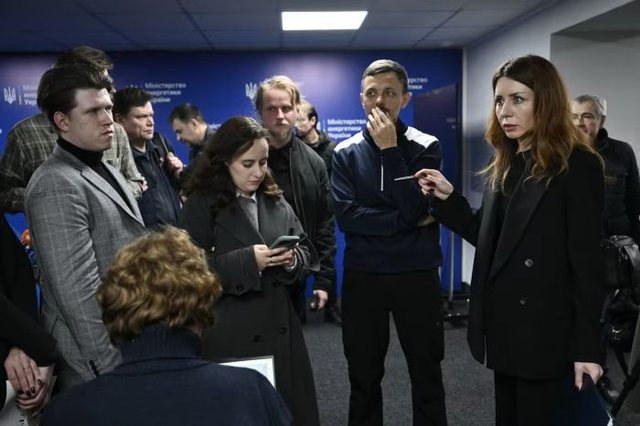
NABU announced that it has carried out more than 70 raids and arrested five people in a “large-scale operation” to expose corruption in the energy sector. Investigators say officials and businessmen demanded bribes of 10-15% of the value of contracts from suppliers of the nuclear company Energoatom.
The scandal has outraged public opinion. NABU says bribes were also taken from contractors who built structures to protect substations from drone and missile attacks.
"Zelensky is now distancing himself from those implicated, especially Mindich," said analyst Volodymyr Fesenko.
According to investigators, Mindich was warned and fled Ukraine hours before the raids.
Another friend of the president, former deputy prime minister Oleksiy Chernyshov, is accused of taking $1.2 million and 100,000 euros. He denies the charges, as does Galushchenko. Hrynchuk has not been directly charged.
Zelensky's reaction has been criticized as slow.
He spoke out about the allegations for the first time on Monday, supporting the investigation but taking no immediate action. He only called for the resignations after Prime Minister Yulia Svyrydenko suspended Galushchenko - a decision that was called inadequate by civil society.
Meanwhile, images of the gold toilet in Mindich's apartment became a symbol of scandal on social media.
Svyrydenko announced that he has ordered a "full audit" of energy and defense companies.
Earlier this summer, Zelensky was forced to back down from his attempt to rein in NABU and the anti-corruption prosecutor after rare protests in wartime. But now the situation is much more concrete: names, numbers, and evidence.
A parliamentary committee will question law enforcement agencies on Monday about steps taken against corruption at Energoatom.
Several figures close to the president called the investigation a sign of the strength of the anti-corruption institutions set up after the 2014 revolution. The EU ambassador in Kiev called the response “a strong signal that the institutions are working.”
But activists warn that the pressure on these institutions has been "tremendous" and that the scandal can only have a positive end if Zelensky "stands on the side of the law and the public."
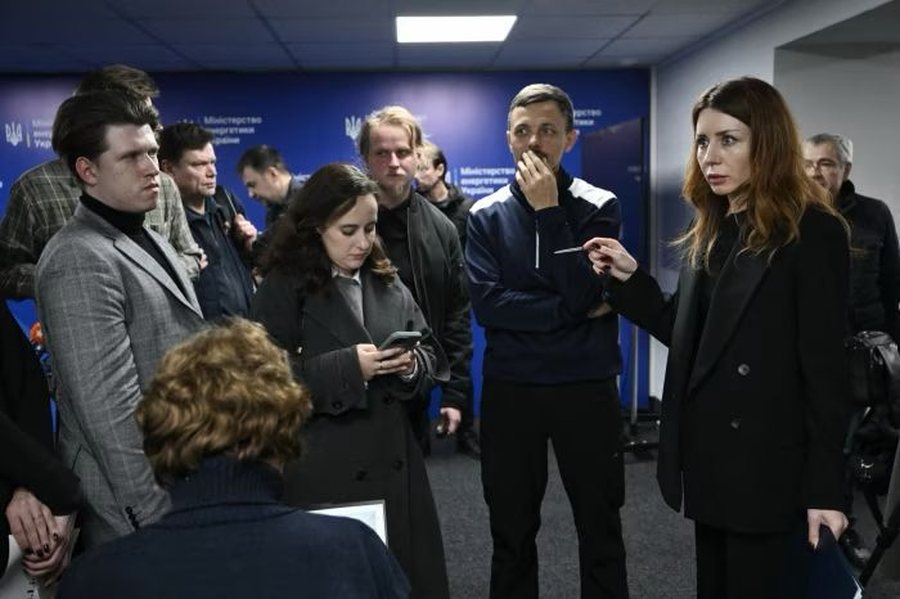
This crisis is particularly sensitive for civil society and the opposition, which have avoided criticizing the president since the 2022 Russian invasion, while elections have been considered impossible in times of war.
Petro Poroshenko's European Solidarity Party wants a technocratic "unity government" but is not demanding Zelensky's resignation. "We are still at war," said one party MP.
Analysts say any new evidence directly implicating the president could lead the country into a new phase of political crisis.