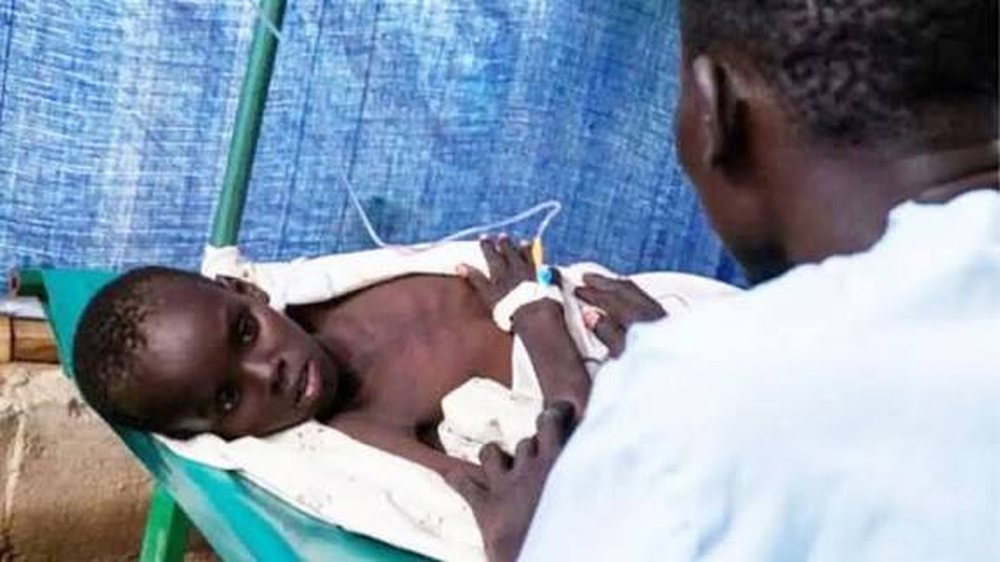
Africa is facing its worst cholera epidemic in a quarter of a century, as the disease continues to spread rapidly in several countries on the continent, including Burundi and Angola. The warning was made on Thursday by the Africa Centers for Disease Control and Prevention (Africa CDC), which raised the alarm over the worsening epidemiological situation.
According to data released by the Africa CDC, more than 300,000 cases of cholera have been recorded so far in 2025. Compared to the approximately 254,000 cases reported last year, this year's figures show a significant and worrying increase in transmission. So far, over 7,000 people have lost their lives to the infection, making this outbreak one of the deadliest of the decade.
Africa CDC Director-General Jean Kaseya said cholera remains one of the most serious health threats on the continent. “Looking at the trend from 2022 to the present, it is clear that more cases are being recorded every year. Cholera continues to be a major and ongoing problem for Africa,” Kaseya said.
He stressed the urgent need to fully implement the regional cholera response plan, which was launched in Lusaka, Zambia, in August this year. The plan, which covers the period September 2025 – February 2026, aims to strengthen epidemiological surveillance, improve case management, increase community engagement, ensure necessary logistics and accelerate vaccination campaigns.
The current increase in cases represents an increase of over 30 percent compared to last year. According to the Africa CDC, Angola and Burundi have recorded significant increases in infections in recent weeks, which is closely linked to poor drinking water supply and sanitation infrastructure.
“Without access to clean water, it is almost impossible to prevent the spread of cholera,” said Kaseya, adding that the institution he heads is working closely with the governments of African countries to address this crucial problem.
Among the worst-hit areas remains the Democratic Republic of Congo, where the situation remains dire due to internal conflicts and massive population displacement. However, authorities have noted a slight decrease in cases this week.