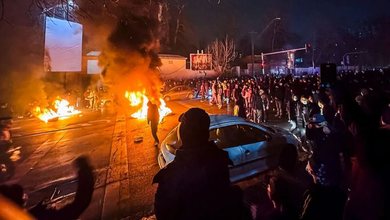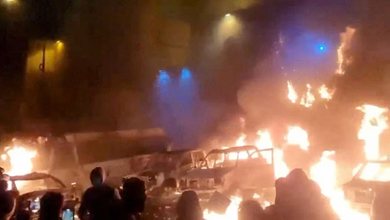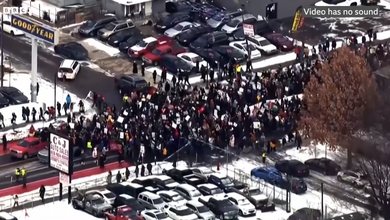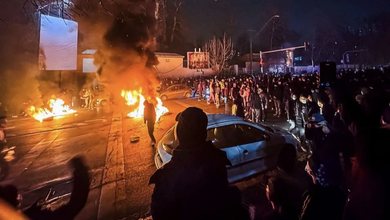
As mass protests in Iran enter their third week and push the country toward a critical moment, the theocratic regime is struggling to survive through a harsh crackdown on demonstrations that are spreading across the country.
Iran's ruling clergy has faced major protests before, but this time the regime's grip on power appears more fragile than ever as the opposition demands fundamental change. Initially fueled by economic discontent, the protests have now morphed into a broad movement against the regime that has ruled the country for decades.
"There is systemic mismanagement, corruption and repression. That's why people want the Islamic Republic gone," Holly Dagres, a senior fellow at the Washington Institute, told CNN.
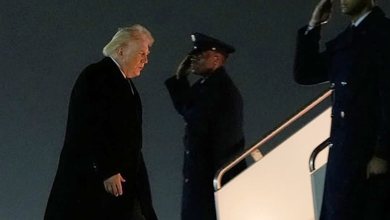
In addition to domestic pressure, the Iranian leadership is also facing warnings from abroad. US President Donald Trump has openly expressed support for the protesters and called for the end of the Islamist regime in Iran, with which the US has had hostile relations for years.
"Iran is looking at FREEDOM, perhaps like never before. The US is ready to help!!!" Trump wrote on social media.
According to US officials, Trump is considering several possible military options against Iran, but has not yet made a final decision on how the US might intervene.
"We're looking at the situation very seriously. The military is looking at it and we're looking at some very strong options," Trump told reporters.
However, some analysts warn that a US military intervention could have limited impact. “The regime is fragile, but it is still holding on through brutality,” Dr. HA Hellyer of the Royal United Services Institute (RUSI) told CNN.
Economic crisis and international isolation
Over the years, Iran has experienced waves of protests that have brought little political or social change. But the current anger is growing, as citizens are increasingly fed up with the economic crisis and lack of prospects.
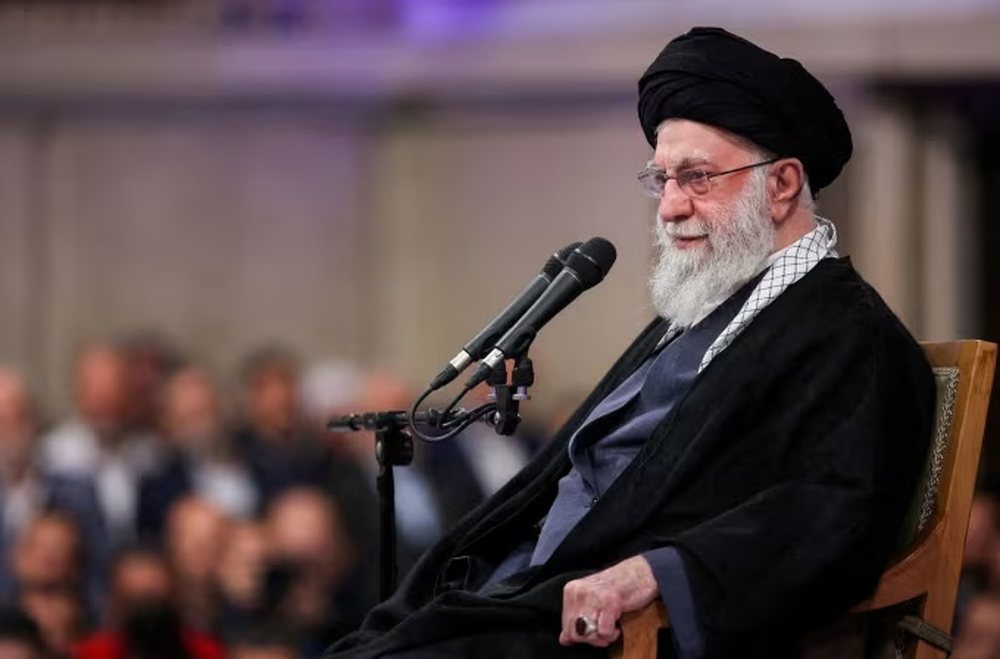
Since coming to power in 1989, Supreme Leader Ayatollah Ali Khamenei has maintained the support of some state structures, but repressive policies have led to a significant decline in popular support.
International sanctions, including the reimposition of sanctions related to the nuclear program, have hit the economy hard and especially the middle class, which is seen as the basis of the reformist movement in Iran.
At the same time, Iran has lost several important regional influence points. Israeli attacks have weakened allied groups such as Hamas and Hezbollah, while American strikes have severely damaged Iran's nuclear program. Another blow came with the ouster of Syrian President Bashar al-Assad in December 2024, a key ally of Tehran.
"The situation is unstable for the Islamic Republic," Dagres said, adding that anti-regime sentiment has reached historic levels.
The regime's reaction
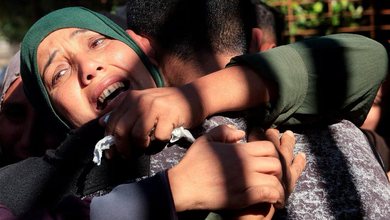
In response to the protests, the authorities have pursued a well-known strategy of violent repression. According to the Human Rights Activists in Iran organization, thousands of people have been arrested and hundreds have been killed in clashes with security forces. The regime has also imposed internet and telephone blackouts to limit information from the ground.
Iranian President Masoud Pezeshkian has urged citizens not to join the protests, which he has described as acts of “riot and terrorism.” He has accused “foreign-linked elements” of burning religious and cultural sites.
"If people have concerns, it is our duty to resolve them, but the greater duty is to not allow a group of troublemakers to disrupt the entire society," Pezeshkian declared in a televised speech.
Meanwhile, the protests continue, leaving open the question of whether the Iranian regime will once again be able to survive in the face of an increasingly greater challenge.