In a BBC article, it is said that the British government is introducing an unprecedented new plan for the asylum system, which aims to change the way refugees and asylum seekers stay and obtain residence permits in the United Kingdom. Part of this plan is the creation of a temporary system called “Essential Protection”, where refugees will receive residence permits for at least 30 months, with the possibility of reassessment, and will not be allowed to settle for 20 years unless they earn the permit through work or study.
According to the BBC, the government also plans to reduce financial support for asylum seekers who are eligible to work and may be required to use their earnings for as long as they remain in the UK. This plan has a particular impact on Albanians in the UK, where there are currently around 700 Albanian families without the right to stay, but who the Home Office has not prioritised for removal.
Soon, asylum decisions will be expedited through a single appeals system, while the government aims to limit the definition of family to “immediate family” to avoid legal challenges in British courts and the European Court of Human Rights. The reform aims to maintain human rights protections, but also to improve controls on migration and reduce abuses of the asylum system.
Full BBC article
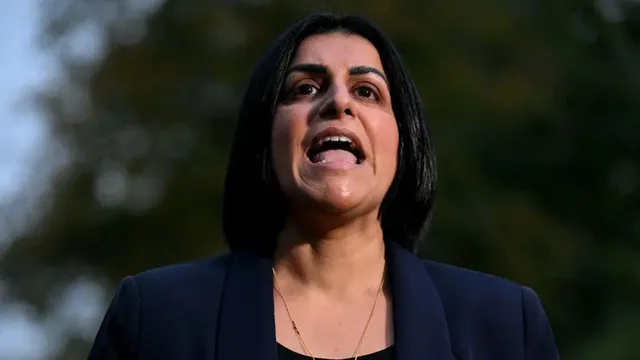
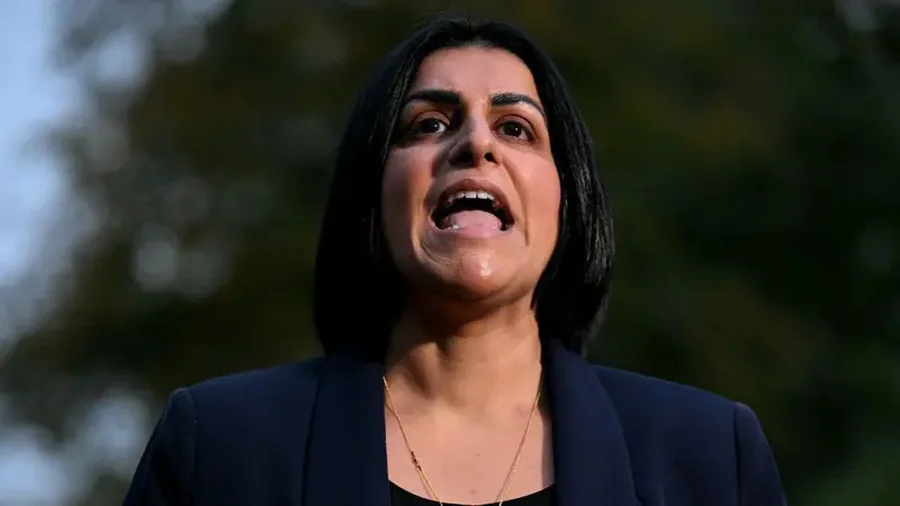
For 20 years, the Home Office has had repeated and well-documented failures in managing asylum seekers. Minister Shabana Mahmood’s grand plan is unprecedented, and the legal and political strategy marks a remarkable shift in thinking.
Essentially, the government aims to move from the concept of “obligations” that the Ministry of Interior must fulfill, to that of “powers” that it must use to control the situation. In wanting to do this without violating constitutional protections, such as the Human Rights Act, the government walks a fine line.
A central part of this plan – which runs parallel to the gradual “gang busting” project – is the far-reaching reform of the benefits that flow from refugee status. Currently, anyone accepted for protection can stay in the UK for life, if they wish. In future, applicants will enter a temporary security system called “Core Protection”.
A refugee will be given at least 30 months’ leave to remain before their status is reviewed. The aim is to encourage people to return to their home country if conditions improve. But it is not clear how this will work in practice when people are working and their children see the UK as the only safe place. Even if their home country remains unstable, a refugee will not be allowed to settle for 20 years – unless they gain a shortcut through work or study.
The government also plans to cut financial support for asylum seekers (currently £49 a week) if they are eligible for work – around 20,000 people. Others could be asked to sell assets to cover their living expenses, avoiding comparisons with Denmark’s controversial jewellery confiscation policy. Families who have been rejected could lose support to encourage them to leave, although British law clearly states that a child cannot be left “in need”.
There are currently around 700 Albanian families in the UK without the right to remain, but the Home Office has not prioritised their return. Previous plans to remove the families have been complicated and caused great tension within the Conservative-Liberal Democrat coalition 15 years ago.
The next phase of the plan – which won’t happen overnight – is to change the way asylum decisions are made. Officials who have studied the Danish system plan a single appeal system, to speed up the process and make it fairer. But previous attempts at “quick decision-making” have been struck down in the courts as unfair. If the Interior Ministry is to get this right, it will require an extraordinary focus that it has previously lacked.
The plan to impose a strict interpretation of the right to family life (Article 8 of the European Convention on Human Rights) on British courts is a key element. The aim is to show that the UK can maintain human rights protections while combating abuse of the immigration system.
The definition of family will be legally limited to “immediate family”. All these measures must be inviolable to avoid a conflict with the European Court of Human Rights in Strasbourg, although such a clash is not guaranteed. The court takes into account local circumstances and the UK rarely loses cases in immigration matters.
This reform will take time, and history provides two major warnings: the Windrush scandal, where the Home Office paid over £116m in compensation to people unfairly treated as illegal immigrants; and the historical dangers of the public losing faith in the system and looking for strong leaders with simple, tough solutions.

Ministers believe the problem of illegal immigration has been so poorly managed for so long that British values of protecting the vulnerable are at risk. A government source said this could be the last chance for mainstream politicians to take control of the issue and solve it.