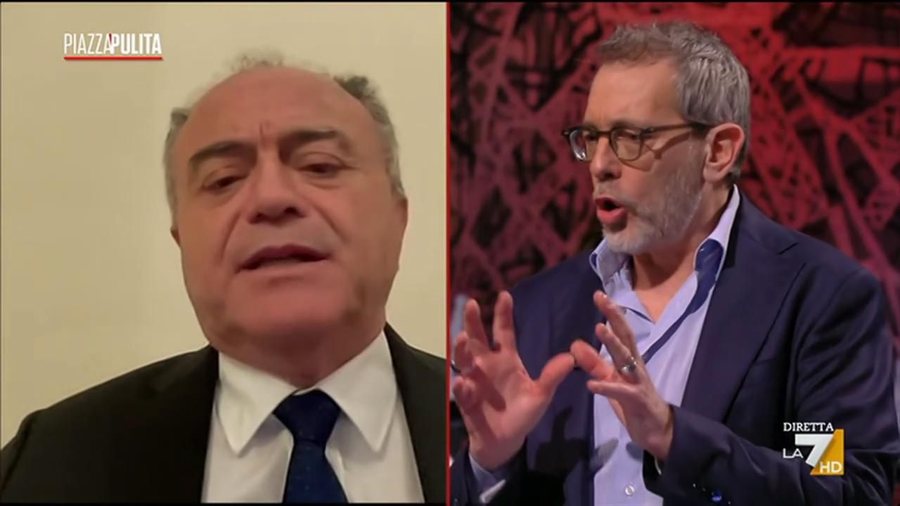
The debate over the referendum on justice in Italy has been heated after statements by the well-known anti-mafia prosecutor Nicola Gratteri, who spoke on the Piazzapulita show on La7 television. His words about the "Yes" vote caused strong political and media reactions, forcing the magistrate to issue a public clarification.
During the interview, Gratteri expressed a personal opinion, stating that according to him "those who benefit from the current system, especially some centers of power that do not want to be subject to the control of the magistracy, will vote 'Yes'."
After the controversy, he clarified that he never said that all 'Po' supporters belong to these centers of power, but that he had expressed a political analysis of the interests that, according to him, lie behind the reform. He accused critics of deliberately misinterpreting his words and added that he is not afraid of attacks, declaring: "I overcame the feeling of fear 35 years ago."
What is the referendum on justice?
The referendum in question is related to important changes in the Italian judicial system. It aims to review several key mechanisms of the functioning of the judiciary, including:
• The way of evaluating and disciplining judges and prosecutors
• The role and composition of the Superior Council of the Magistracy (CSM)
• The relationship between judicial and political power
• The balance between the autonomy of prosecutors and institutional control
Supporters of the referendum argue that the changes will bring more transparency and accountability to the system, limiting what they consider to be the "unchecked power" of some segments of the judiciary.
Opponents, including figures like Gratteri, express concern that some of these changes could weaken the independence of the judiciary and pave the way for political interference in sensitive investigations, especially in matters of corruption and organized crime.
Italy has a long history of clashes between politics and the judiciary, especially since the era of Operation Mani Pulite in the 1990s. Any reform that affects the judicial system is considered very sensitive, as it directly affects the balance of powers.
Gratter's statements have been interpreted by some as a magistrate's intervention in a political debate. Others see them as a warning about the dangers that reform could bring.
The controversy has deepened the divide between the camp that demands change to the system and the one that defends the current model of judicial independence. The referendum is expected to be an important test for the government and for the public's trust in justice itself.
Essentially, the issue is not only legal, but deeply political: it is about how Italy will balance the fight against corruption with democratic guarantees and institutional control over judicial power.