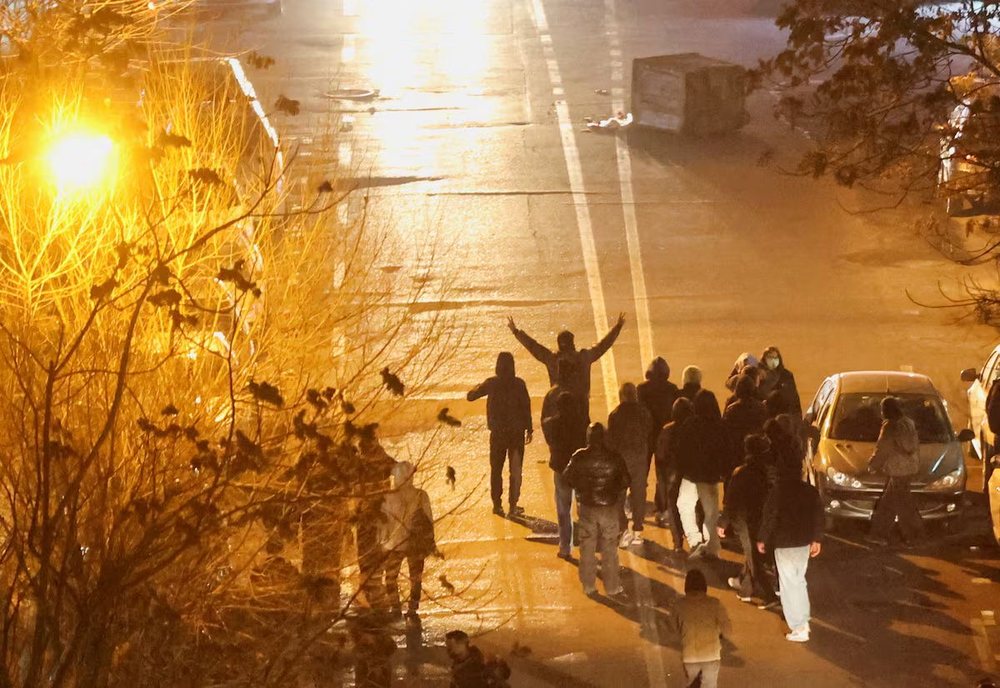
Despite nationwide protests and years of external pressure, there are still no signs of a rift within Iran's security elite that could lead to the overthrow of one of the world's most resilient regimes, Reuters reported.
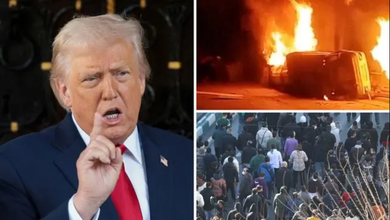
The situation has been further aggravated by US President Donald Trump's repeated threats of military action against Tehran, following a crackdown on protests and a US and Israeli bombing campaign last year against Iran's nuclear program and key regime figures. A White House official told Reuters that "all options" were on the table to address the situation in Iran.
However, analysts estimate that, without defections at the highest levels of the state and security forces, the establishment – albeit weakened – is likely to survive. This assessment is shared by diplomats, government sources in the Middle East and experts on Iranian affairs.
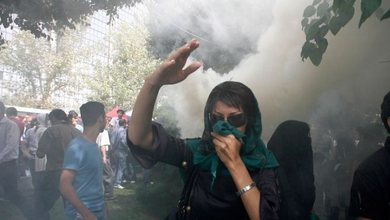
According to an Iranian official, around 2,000 people have been killed during the protests, a figure that Tehran attributes to "terrorist elements", while human rights organizations have previously reported around 600 casualties.
Iran’s multi-layered security architecture, reliant on the Revolutionary Guard and the Basij paramilitary forces – which together number about a million people – makes external pressure extremely difficult without an internal crack, analysts say. “For this to work, the protests would have to last much longer and some segments of the state, especially the security forces, would have to defect,” says academic Vali Nasr.
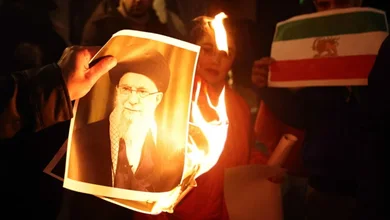
Supreme Leader Ayatollah Ali Khamenei, 86, has survived several waves of unrest since 2009. This is the fifth major uprising in the past 15 years, a testament to the regime's resilience, even as the country faces a deep, unresolved crisis.
Analysts point out that survival does not mean stability. Iran is experiencing one of its most severe challenges since 1979: sanctions have crippled its economy, its nuclear program has been damaged, and its network of regional allies has been significantly weakened after losses in Lebanon, Syria, and Gaza.