A doctor in Tehran has recorded more than 400 eye injuries from gunshots in a single hospital, as overwhelmed medical staff struggle to cope with the fallout from the Iranian authorities' increasingly violent crackdown on nationwide protests.
Three doctors, in messages sent to The Guardian on Monday, described hospitals and emergency rooms as being overwhelmed with protesters who had been shot. Medical staff said gunshot wounds were mostly concentrated in the protesters’ eyes and heads, a tactic that rights groups say authorities used against protesters during the country’s “Women, Life, Freedom” protests of 2022.
“The security forces are deliberately shooting at the head and eyes. They want to damage the head and eyes so that they can no longer see, the same thing they did in [2022],” said a doctor in Tehran. The doctor added that many patients had to have their eyes removed and were blinded.
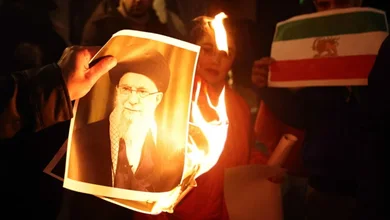
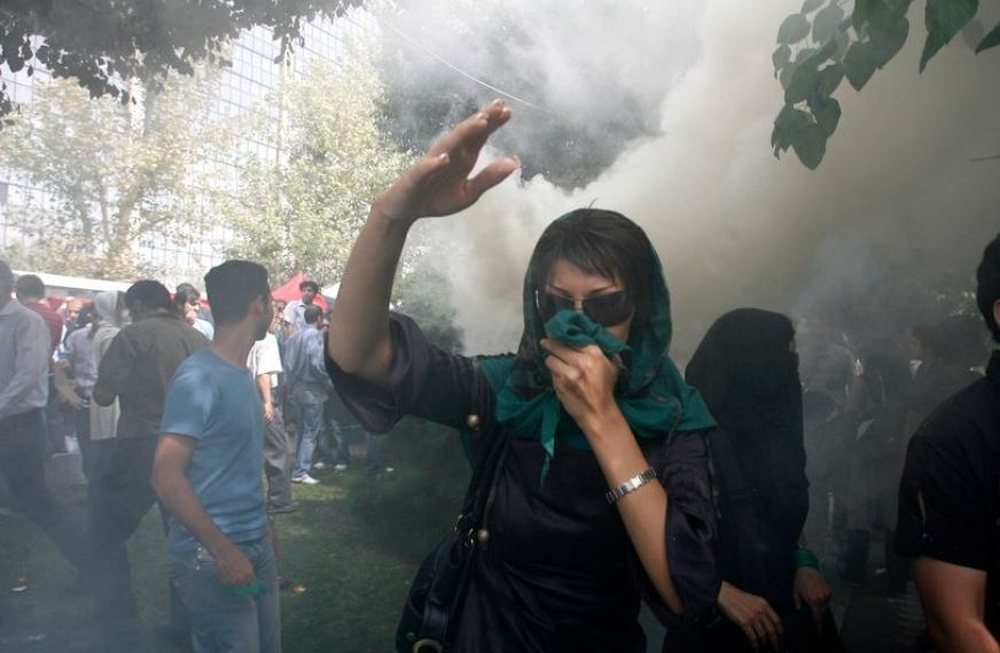
The protests in Iran, which began on December 28 over the sudden fall in the value of the country's currency, have grown into the largest anti-government protest movement in the country since 2009. Tens of thousands of demonstrators take to the streets across the country every night, chanting anti-government slogans such as "death to the dictator," a reference to Iran's supreme leader, Ayatollah Ali Khamenei.
The protests have alarmed authorities, who on Thursday evening cut off internet and mobile phone services in the country, cutting off Iranians from the rest of the world. Rights groups have accused the government of using a media ban to carry out a brutal crackdown on protesters.
More than 2,000 people have been killed in the protests – more than 90% of whom were protesters – and more than 16,700 people have been arrested, the US-based Human Rights Activist News Agency (HRANA) reported. The death toll is rising dramatically. After two weeks, it is already four times higher than the casualties recorded after months of protests by Mahsa Amini in 2022.
Doctors in Iran said they suspect the death toll, while shocking, is only a fraction of the true toll in the country. They noted a sharp increase in the number of injured arriving at hospitals shortly after Iranian authorities shut down the internet on Thursday.
“It’s like in war movies where you see wounded soldiers being treated in an open field. We don’t have blood, we don’t have enough medical supplies. It’s like a war zone,” said the doctor from Tehran. His colleague described in detail the treatment of wounded protesters on the ground outside in sub-zero temperatures due to a lack of space in hospital wards.
The Tehran doctor described medical staff working in difficult conditions as the network outage prevented them from communicating with other doctors and emergency services. He added that security forces occasionally entered hospitals to arrest injured protesters.
The doctor said: "My colleagues are very upset, tired and terrified. They are crying."
A colleague, a doctor, was injured on the way to the hospital after being shot by authorities.
The types of injuries observed by medical personnel led them to conclude that authorities were deliberately targeting protesters' eyes, a claim also supported by human rights groups. Authorities have been recorded using metal-bullet rifles, as well as assault rifles, against protesters.