


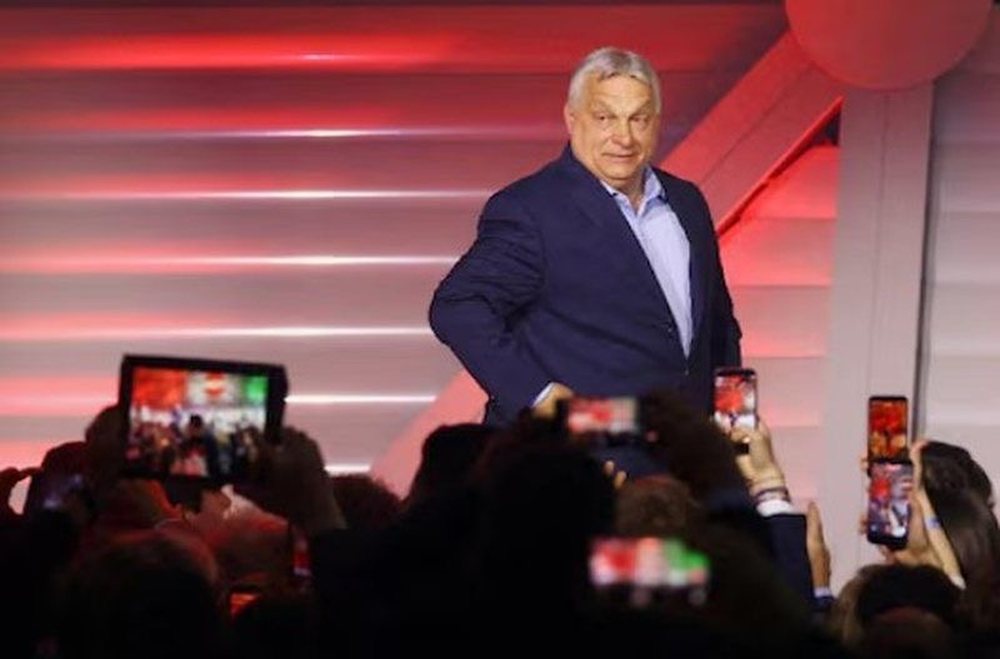
For 16 years, Viktor Orbán didn't just build political power in Hungary. He built an entire system of information control, where the media, propaganda, and the state functioned as a single mechanism of power.
Today, just a few weeks after the historic defeat in the April parliamentary elections, that empire is facing rapid disintegration.
The victory of Peter Magyar and the Tisza party ended 16 years of Orbán's rule and opened a process that analysts in Budapest liken to the overthrow of an entire propaganda regime.
During his rule, hundreds of media outlets were concentrated under the control of oligarchs close to Fidesz and then merged into KESMA, the giant foundation that controlled most of the Hungarian media market. Public media became a government megaphone, while state advertising was used to finance loyal media outlets and weaken critical voices.
But the electoral defeat seems to have struck at the very foundation of the system: money and fear.
Reuters reported that TV stations close to Orbán have begun to close programs, media executives are leaving and key propaganda figures are rapidly losing influence. In some public media, opposition voices that had been excluded from the screen for years have returned for the first time.
The new government of Peter Magyar has promised deep reform of the media system and the cessation of state funding for the Orbán-affiliated media network.
The political irony is strong: the system that seemed invincible began to collapse as soon as it lost political power.
Because what is collapsing in Hungary today is not just a media empire. It is the model of a government that for 16 years managed to sell propaganda as reality.