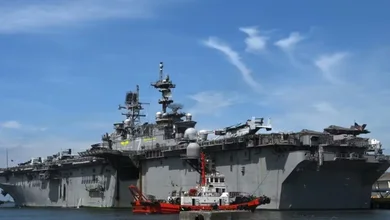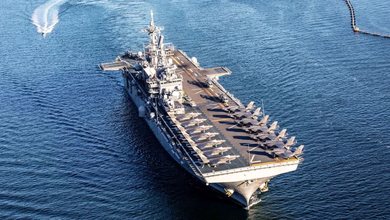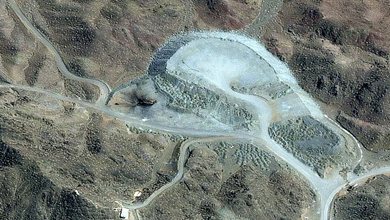
The war in Iran, which spans the Persian Gulf and much of the Middle East, has paralyzed one of the world's most important trade routes, causing immediate consequences for tourism and commodity prices.
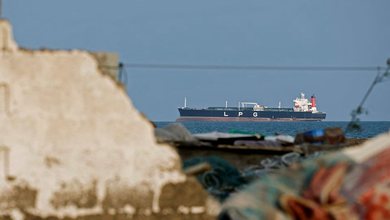
At the center of the crisis is the Strait of Hormuz, through which about 20% of the world's oil passes. The blockade of maritime traffic has spooked markets, sending oil prices toward $100 a barrel.
The consequences were immediately felt in Italy, where within two weeks gasoline has increased by 15.3 cents per liter, while diesel by 32.2 cents per liter. Currently, the average price of gasoline is around 1.82 euros per liter, while diesel has reached 2.05 euros per liter.
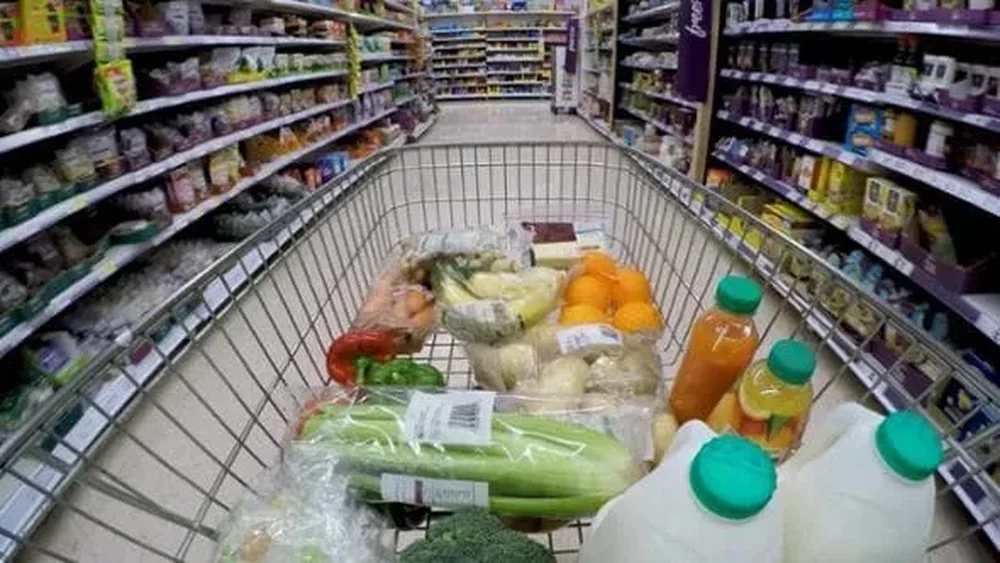
Rising fuel prices are also being reflected in the everyday economy. Higher transportation costs are pushing up the prices of food and goods, as most products are transported by truck.
Significant increases have already been observed in food markets. In Rome, the price of tomatoes in the branch has increased from 1.40 to 2.30 euros per kilogram, while cherry tomatoes have reached 2.40 euros per kilogram.
The situation is particularly worrying for the agricultural sector. Farmers' organizations warn that rising oil and energy prices could significantly increase production costs and affect the entire agri-food chain.
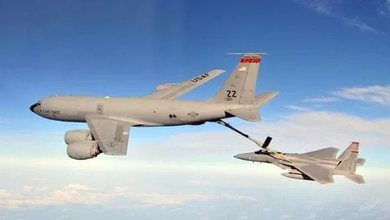
The crisis is also affecting tourism and air transport. Some airspace in the Middle East has been closed and airlines have been forced to change routes. Air France-KLM has already announced an increase in ticket prices for intercontinental flights.
According to the company, economy class ticket prices could increase by around 50 euros, while similar measures are expected to be taken by other international airlines.
Analysts warn that if the conflict continues and energy routes remain blocked, global inflation could rise again, directly affecting consumers in many countries around the world.