Copenhagen was prepared to take action in the face of repeated threats from Donald Trump to take control of Greenland, even by military force, Danish and European sources told Danish public television and the Financial Times.
According to these sources, Copenhagen had prepared an extreme plan: to blow up the main airport runways in Greenland and fight back in the event that the United States undertook a military invasion to take over the island.
The goal of this plan was to make a potential American invasion so costly and difficult that it would force the White House to back down or seek a diplomatic solution.
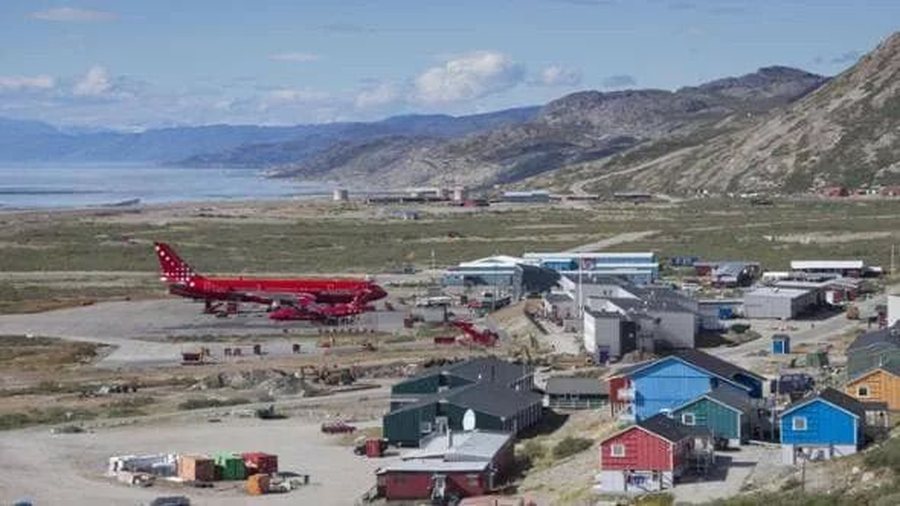
According to reports, a contingent of troops sent by the Danish government to Greenland in January – ostensibly for military training – were actually tasked with transporting large quantities of explosives. The aim was to destroy the airport runway in Nuuk, the capital of the autonomous Danish territory, as well as the runway in Kangerlussuaq, a former fighter jet base.
Danish troops had also sent large reserves of blood to the island, which according to sources indicates that authorities also expected possible casualties in the event of a clash.
Since World War II, when American troops landed in Greenland out of fear that the island might be invaded by Nazi Germany after Hitler had invaded Denmark, the United States has maintained several military bases on the large ice island. Today, only one base remains, used for radar surveillance of possible nuclear attacks coming through the North Pole.
Without the use of Greenland's airports, an American invasion would become much more difficult from a logistical point of view.
According to European sources, several European countries, including France and Germany, have also sent troops to Greenland in recent months, ostensibly for joint exercises with the Danish contingent. But the real aim was to strengthen the island's defenses as a deterrent to Trump's threats to take Greenland "one way or another."
Danish Prime Minister Mette Frederiksen has described the situation as "the most serious crisis since 1945," emphasizing that the improvement in the situation has been achieved thanks to European cooperation.
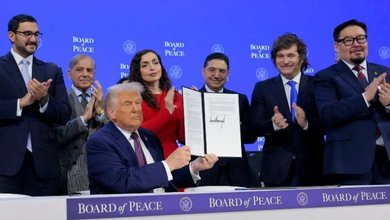
Meanwhile, at the recent summit in Davos, NATO Secretary General Mark Rutte reportedly convinced Trump to accept the idea of a future agreement that respects the sovereignty of Denmark and Greenland, but at the same time takes into account US security interests.
However, according to Prime Minister Frederiksen, negotiations are continuing and Trump's desire to acquire Greenland remains unchanged.