As the world's attention is focused on the war with Iran, Israel has further tightened control over the Gaza Strip, further restricting the entry of goods and humanitarian aid. On the eve of Eid al-Fitr, which is usually marked by joy and family reunions, millions of Gazans are facing deep deprivation and growing economic hardship.
The crisis is not simply related to inflation or temporary shortages, but to a combination of factors that include the Israeli blockade, local market dynamics, and broader regional tensions. Israel has often used crises in the region, such as conflicts related to Iran or Lebanon, to justify tighter restrictions on the passage of goods at Gaza's border crossings, increasing military and economic pressure on the territory.
The consequences are visible in local markets. Prices of basic products have increased significantly. Tomatoes, which previously cost around 3 shekels, now reach up to 20 shekels. Canned food and other essential products have also risen in price at similar rates.
An 8-kilogram cooking gas cylinder costs about 80 shekels, meaning a family can spend up to 640 shekels a month on gas alone. Electricity has also become more expensive, while for many families meat, medicine and basic products have become almost unaffordable.
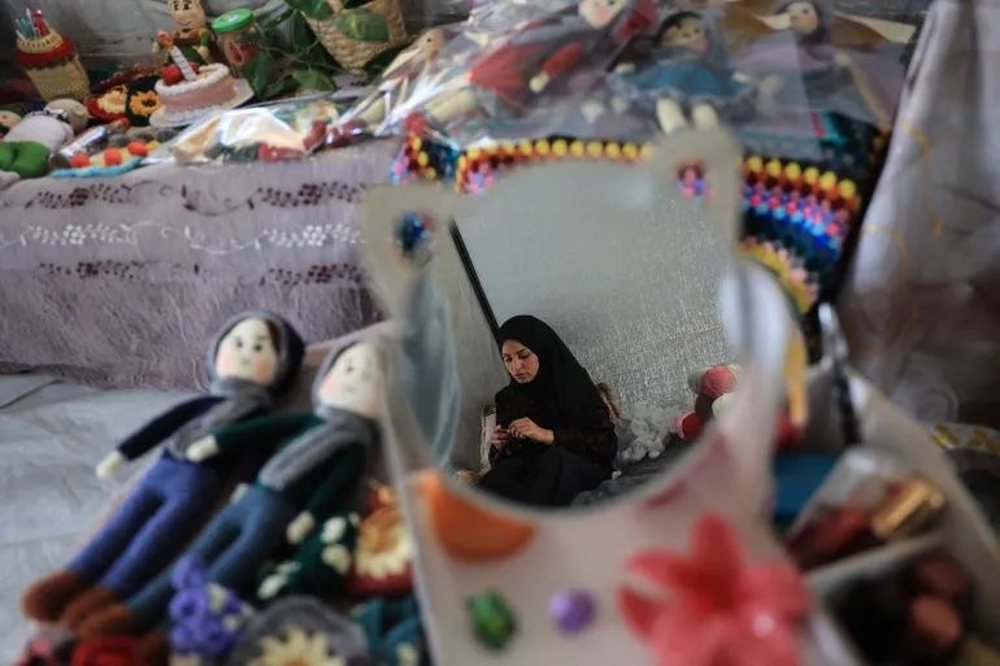
Under these conditions, even the simplest Eid traditions have become inaccessible to many residents. Families are often forced to choose between basic living needs and celebrating the holy days.
Analysts point out that in addition to the blockade and the war, some traders have taken advantage of the situation by unjustifiably raising prices, exploiting economic weakness and psychological pressure on the population.
In these circumstances, Eid al-Fitr in Gaza has turned from a celebration of joy into a symbol of daily hardship, with many families struggling simply to secure the food and energy necessary for daily life.
The crisis in Gaza, according to observers, is not only economic, but reflects the combination of blockade, military conflict, commercial exploitation and regional tensions that have left the territory isolated and hard-hit. Meanwhile, many voices in the international community are calling for increased humanitarian aid and measures that would alleviate the suffering of civilians.