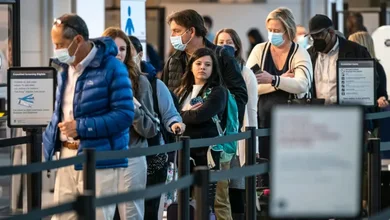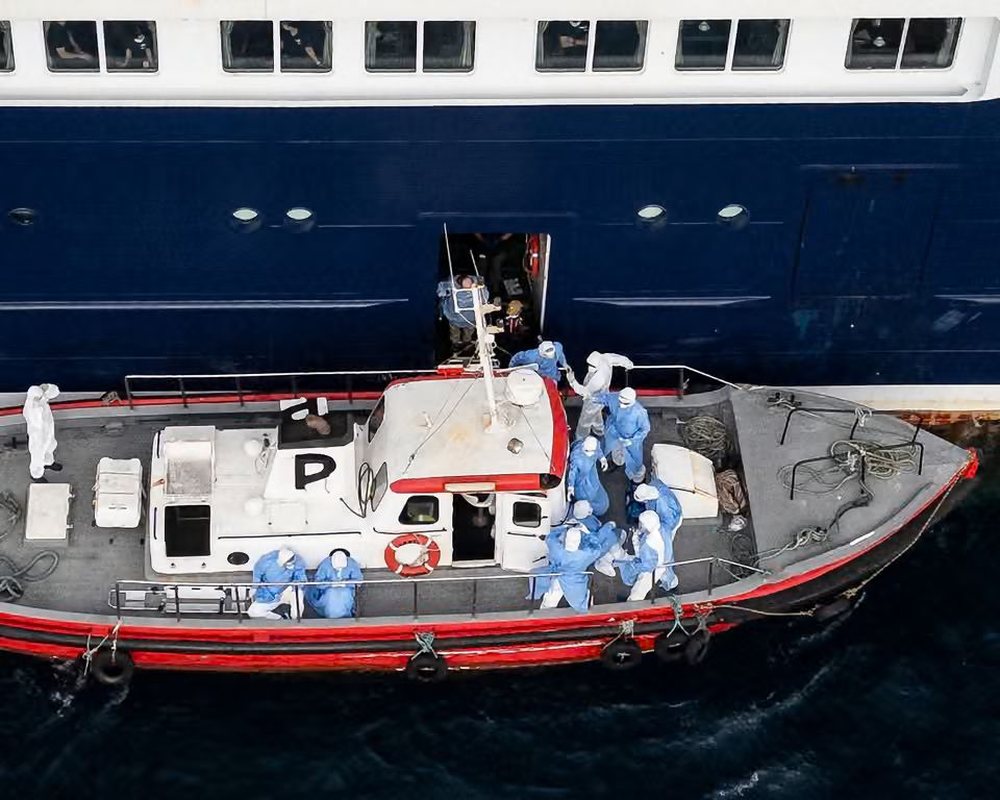
Three deaths and several suspected cases of hantavirus on a cruise ship that departed from Argentina have alarmed international health authorities. The ship's passengers have now been scattered around the world, prompting contact tracing efforts. However, experts are stressing that the risk to the public remains limited and that the situation is not like the Covid pandemic.
Unlike respiratory viruses that spread easily from person to person, hantavirus is usually transmitted by rodents. Infection occurs primarily when people inhale airborne particles from the urine, feces, or saliva of infected animals.
The concern in the case of this ship is related to suspicions of the Andes variant, a rarer form of hantavirus that in limited cases has been seen to be transmitted between people. But health authorities explain that this requires very close and prolonged contact and does not occur simply by passing by a person on the street or in public places.
For this reason, international media, including the BBC, emphasize that the situation should be taken seriously, but without unnecessary alarm. The main focus remains on people who were on board or who had close contact with the infected.
Symptoms can appear after a few weeks and initially resemble the flu: fever, fatigue and muscle aches. In more severe cases, breathing difficulties, gastrointestinal problems and serious complications can occur.
Although there is no specific treatment for the virus, early diagnosis and medical care remain crucial to reducing the risk. For now, experts insist that this is a situation that requires monitoring and caution, but not mass panic.