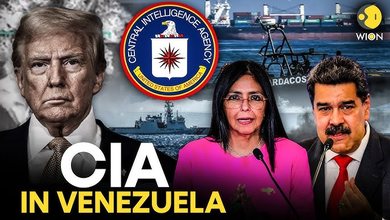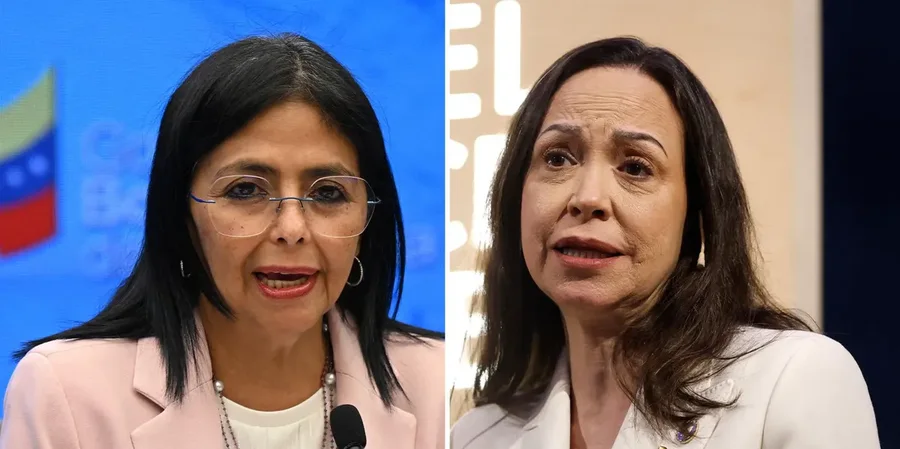
U.S. intelligence agencies have begun to express doubts about whether Delcy Rodriguez, who took over the reins of Venezuela after the ouster of Nicolas Maduro, will fully cooperate with the U.S. strategy, which seeks to encourage her to cut ties with international rivals. Recent reports from U.S. intelligence agencies have raised doubts about whether Venezuela’s interim president will cooperate with the Trump administration, cutting ties with countries such as Iran, China and Russia. Despite the official U.S. desire to remove these allies from Venezuela’s field of vision, Rodriguez, who took over the presidency after Maduro’s arrest on Jan. 3, has yet to publicly announce any such action.
US authorities have publicly stated that they want Rodriguez to sever ties with Venezuela's closest international allies, expelling diplomats and advisers from Iran, China and Russia. However, although Rodriguez's inauguration ceremony was held with representatives from these countries in attendance, the president has not publicly announced any decision in this regard.
CIA reports indicate that it is unclear whether Rodriguez fully agrees with the US strategy for his country, which makes the future of cooperation uncertain. CIA Director John Ratcliffe visited Caracas on January 15 to discuss the country’s political future with Rodriguez, but it is not clear whether the meeting influenced the assessments of US intelligence agencies. Washington wants to limit the influence of its adversaries in the Western Hemisphere, with Venezuela being critical because of its large oil reserves. If Rodriguez decides to cut ties with US “enemies”, this would pave the way for more US investment in the country’s energy sector. However, the failure to control Rodriguez could undermine US efforts to guide the transitional leaders from a distance, thus avoiding a more intensive military engagement.
Faced with this situation, Washington officials continue to put pressure on President Rodríguez, while also considering other options, such as the emergence of the opposition as a potential leader of the country. Recent reports from US intelligence agencies have also indicated that Maria Corina Machado, the leader of the opposition, is unable to govern the country effectively, as she does not have strong ties to the security services or the Venezuelan oil sector. Some observers and Machado's movement argue that she won the 2024 elections by a large margin, although the state supported Maduro's victory. She remains popular among Venezuelans.
Trump told reporters last week that he wanted Machado to “participate” in the country’s leadership, without giving further details. A person familiar with the administration’s discussions with Machado said that “she is very well-liked by the White House” and is considered a “long-term choice” to lead Venezuela. A separate source briefed on Venezuelan politics suggested that, for now, Machado could be considered for an advisory role, but no final decision has been made.