European Union interior ministers have reached a broad agreement on a package of migration reforms, filling the last gaps in the Pact on Migration and Asylum and paving the way for final negotiations with the European Parliament. The reform is expected to enter into force by June 2026.
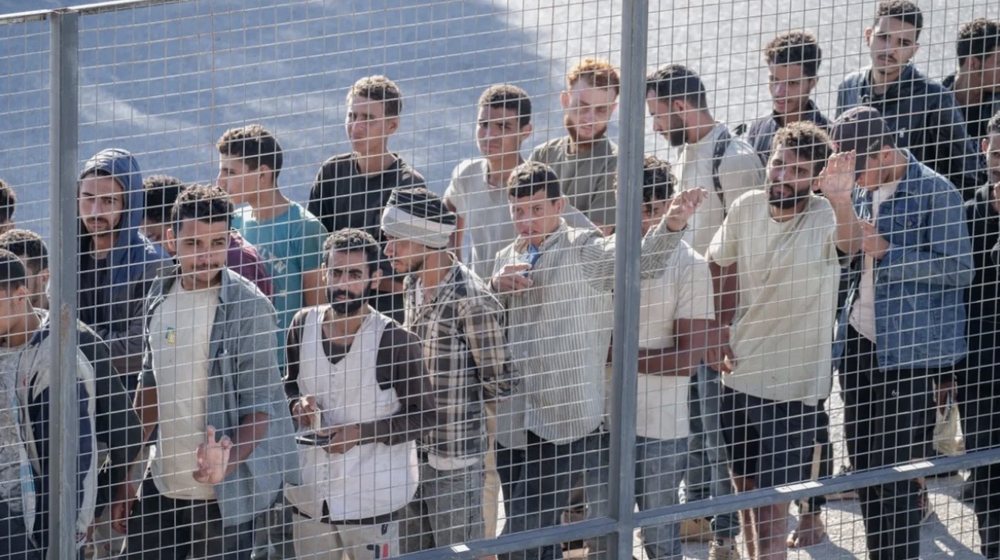
The three main draft laws fundamentally rewrite the EU’s asylum rules. One of the most important elements is the adoption of the return regulation, described by the European Commission as the “missing piece” of the new system. This regulation allows member states to set up “return centres” outside EU territory for migrants awaiting deportation.
Danish Immigration Minister Rasmus Stoklund stated that the agreement enables EU states to enter into agreements with third countries to establish these centers.
Another important change concerns the concept of a “safe third country”, which now makes it easier to reject asylum applications and deport migrants even to countries where they have only transited. For the first time, the EU adopted a common European list of safe countries of origin, which includes Bangladesh, Colombia, Egypt, India, Kosovo, Morocco and Tunisia. Candidate countries for membership, such as Turkey and Georgia, are also considered safe. Applications from citizens of these countries will be processed in an accelerated manner.
One of the most contentious points was the automatic recognition of deportation orders between EU countries. The final text provides for a two-stage mechanism: initially voluntary and then mandatory. It also creates common procedures for returns and strengthens cooperation between member states.
Ministers also agreed on a solidarity mechanism, under which each EU country must contribute through relocations, financial support or operational assistance. The new binding target is 21,000 relocations or €420 million in financial assistance by 2026.
However, the agreement has sparked strong reactions from civil society organizations. They are particularly concerned about an article in the returns regulation that allows authorities to conduct raids, checks and investigations to enforce deportations, including entering private homes and NGO premises.
Humanitarian organizations warn that these measures could lead to abuses, intimidation of citizens helping migrants, and violations of basic human rights. According to them, the new regulation risks legitimizing mass detentions, racial profiling, and harsh treatment of the most vulnerable categories, including children.