



4:30 in the morning. In Naples, the phone rings that the parents of a child from Nola had been waiting for with anxiety and hope: there is a heart available. Two doctors immediately leave Capodichino for the north. It is December 23. One day before Christmas Eve. For the family, it is the long-awaited miracle.
In Bolzano, the organ harvesting procedure goes according to the rules. The heart is placed in a sterile bag, put in a transport bucket with ice. But the ice brought from Naples is not enough. More is required. At that moment, a mistake occurs that no one understands. Instead of water ice, dry ice is used – a substance that lowers the temperature to extreme levels. The heart must be stored at around 4 degrees. Dry ice brings the temperature much lower.
No one yet sees the disaster that is silently forming.
⸻
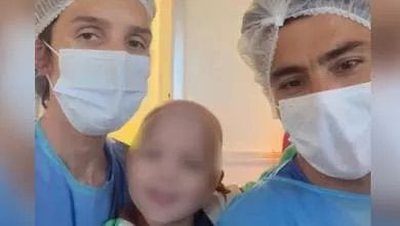
2:30 p.m. The operating room in Monaldi is ready. The child is on the table. The team is waiting for the organ. Bolzano confirms that "everything is fine." The container arrives. The doctors ask for confirmation to start the crucial phase. A "yes" is heard in the room. Or at least that's how it is perceived.
The removal of the sick heart begins. It is the moment of no return.
When the container is opened, the secchiello doesn't come out. It's solidified inside a block of ice. The heart is frozen. It takes time to free it. Time in a transplant is life. When the organ finally comes out, the suspicion is terrible: frostbite.
But the alternative no longer exists. The child is already without his heart. The doctors decide to continue.
The new heart is not beating.
Three hours of effort. Then ECMO is activated to keep the body alive artificially. An urgent request for another organ is sent immediately. In the room, the tension is unbearable.
⸻
When the news broke, Italy was shocked. The internal audit spoke of a “communicative and procedural deficit”. But for the public, bureaucratic words were not enough. The media reconstructed minute by minute the chain of errors: the choice of an old container, the lack of training on the modern equipment that the hospital had at its disposal, the use of the wrong ice, an unclear verbal confirmation that led to the removal of the child’s heart before the new organ had been verified.
The parents react with pain and anger. “It’s not an unforeseen complication,” they say through their lawyers. “It’s a human error.” The mother tries to stay strong, but in interviews she repeats a sentence that touches public opinion: that her son should not have become the victim of a chain of negligence.
The debate erupts: how is it possible for such a basic error to occur in a transplant reference center? Why was the organ not physically verified before the cardiectomy? How can such a vital procedure be based on an unidentified "yes"?
⸻
And while Italy debates, a harsh reality remains: heart transplants are not programmed on demand. Organs are rare, biological compatibility is strict, storage time is limited to a few hours. Even in an emergency, there must be a compatible heart in the national system. There is no warehouse, no reserve.
In the end, the story of December 23 is not just a medical chronicle. It is the story of a hope that froze in a shipping container. Of a “yes” that no one admitted to having said. And of a family that waits, among the machines that keep their child’s body alive, for another miracle.