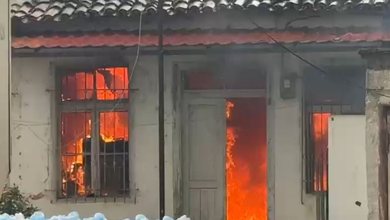



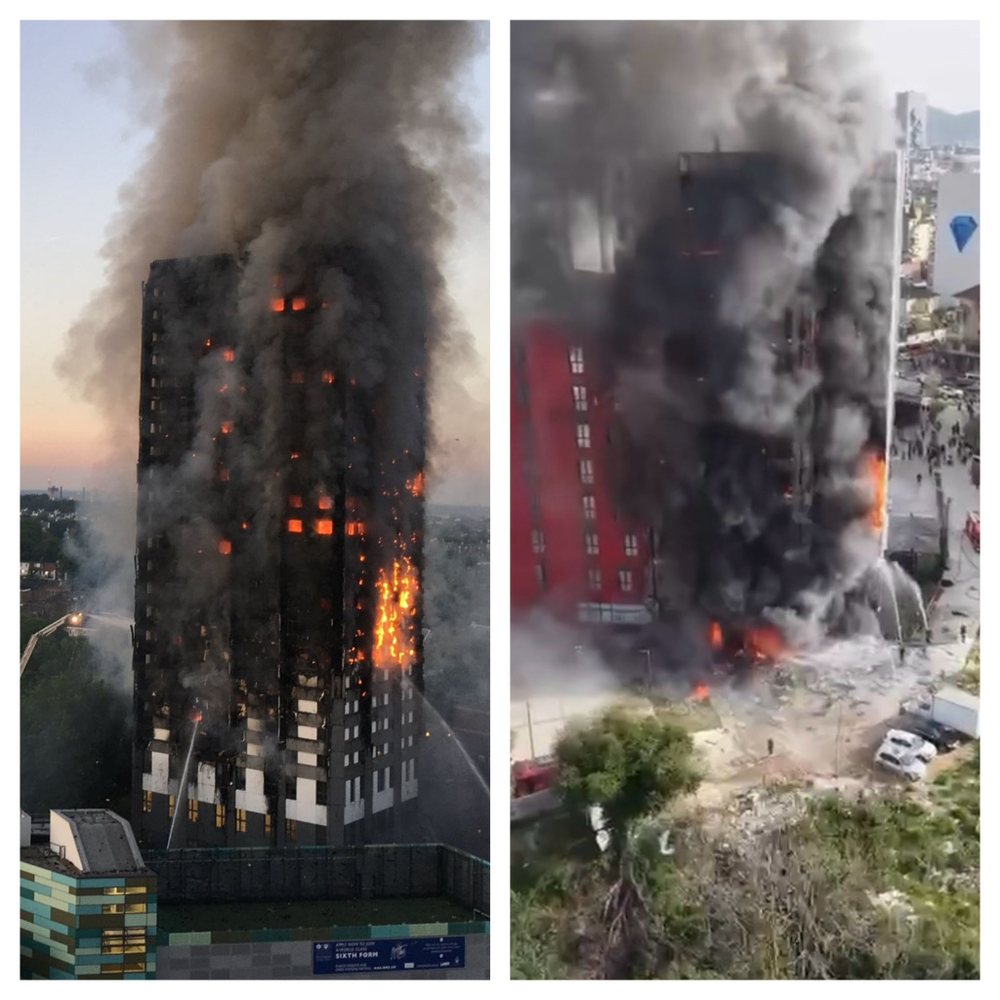
The fire that engulfed a building in the 5 Maji Street area in Tirana today has brought back to mind one of the worst tragedies in recent years in Europe: the fire at Grenfell Tower in London.
On 14 June 2017, a fire broke out in Grenfell Tower, a 24-storey apartment building in West London. The flames spread rapidly up the building's façade and the fire raged for around 60 hours. A total of 72 people died and dozens were injured. It was the deadliest fire in a residential building in Britain since the Second World War.
Investigations revealed that one of the main reasons for the rapid spread of the flames was the use of flammable materials in the facade during the renovation of the building. The case sparked a major debate in Britain and across Europe about the safety of tall buildings and the materials used in insulating facades.
The tragedy has led to a multi-year public inquiry into the responsibilities of construction companies, material manufacturers and the institutions that supervised the safety of the buildings. British authorities have also launched a criminal investigation into manslaughter and breaches of safety regulations. There have been no criminal convictions so far, but police have warned that the case is very complex and could lead to charges against companies and individuals involved in the renovation project.
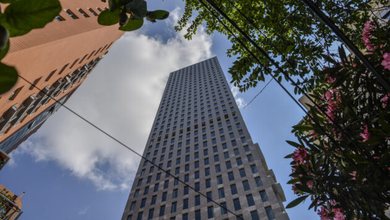
Today's incident in Tirana has brought back the same concern. According to preliminary information, in the building that caught fire, it is suspected that PU Foam, a cheaper and flammable material, was used on the facade instead of stone wool, which is considered a fireproof material.
As Albanian authorities investigate the cause of the fire in the capital, the case has once again raised questions about building standards and the control of materials used in new buildings. The Grenfell Tower tragedy remains a stark warning of what can happen when safety is sacrificed for lower construction costs.