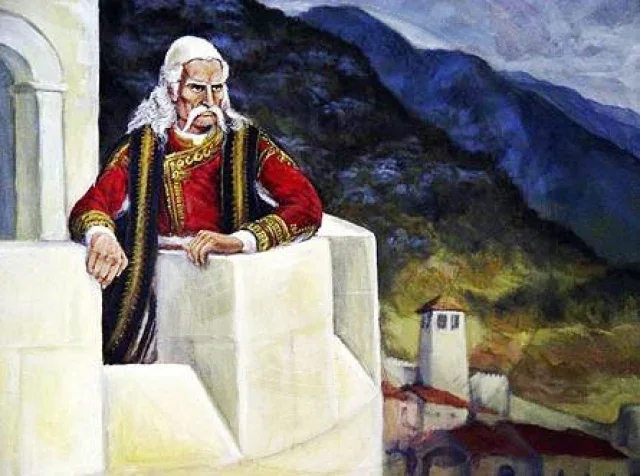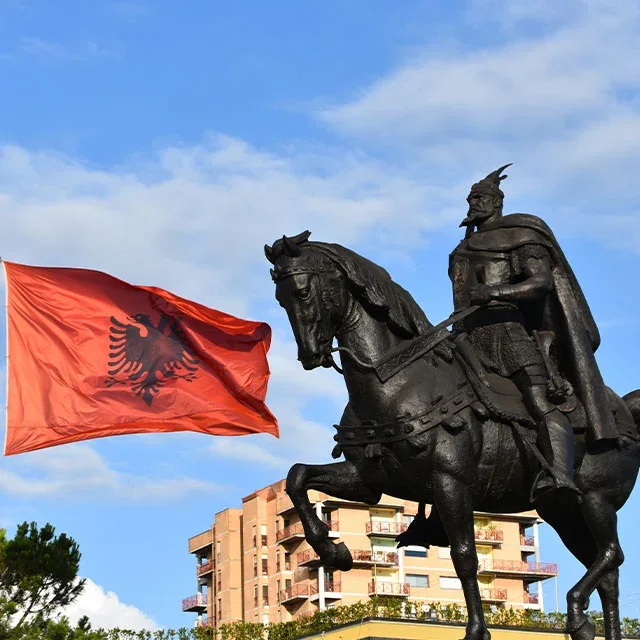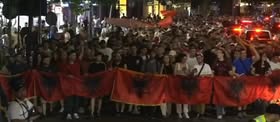



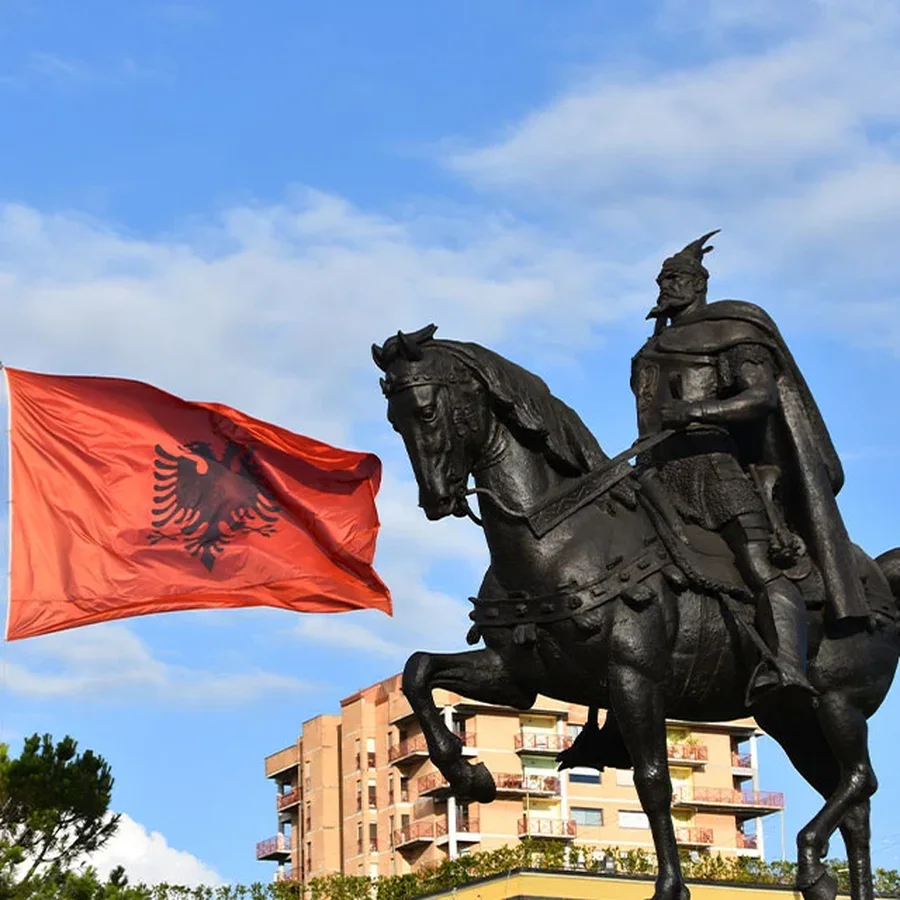
The Greek newspaper “Protothema” has recently published an article that raises questions about the origin and historical identity of Gjergj Kastrioti – Skanderbeg, the most important figure in Albanian history. In its article, the Greek media suggests interpretations that, according to many Albanian historians, distort historical facts and incite debate about the national hero’s affiliation.
The article in “ Protothema ” also refers to Skanderbeg with the title “King of Epirus”, linking this epithet with claims to a Greek identity. The newspaper further raises a series of questions about the surname Kastrioti and its etymology, the origin of the double-headed eagle as the symbol of the Kastrioti family, as well as the official language used in the territories ruled by Skanderbeg.
The focus is also on the Monastery of Chilandari on Mount Athos, where a vaulted tomb is mentioned, leaving open allusions to historical connections with the Kastrioti family.
Full article from the Greek newspaper
We have extensively mentioned Gjergj Kastriotis (or Skanderbeg) in our article dated 05/05/2018, which caused heated discussions. We know that Kastrioti is the national hero of Albania. However, there are some unclear facts about his origin. A very interesting study by Mr. Paschalis Androudis, Assistant Professor of Archaeology and Byzantine and Islamic Art, at the Department of History and Archaeology of the Aristotle University of Thessaloniki, on the so-called "Albanian Tower" on Mount Athos and the relationship of Gjergj's father, Ioannis Kastriotis, and one of his brothers with the Athos Peninsula made us reconsider this topic.
We would like to warmly thank Mr. Androudis, who gave us permission to rely on the data from his study and the additional information he provided.
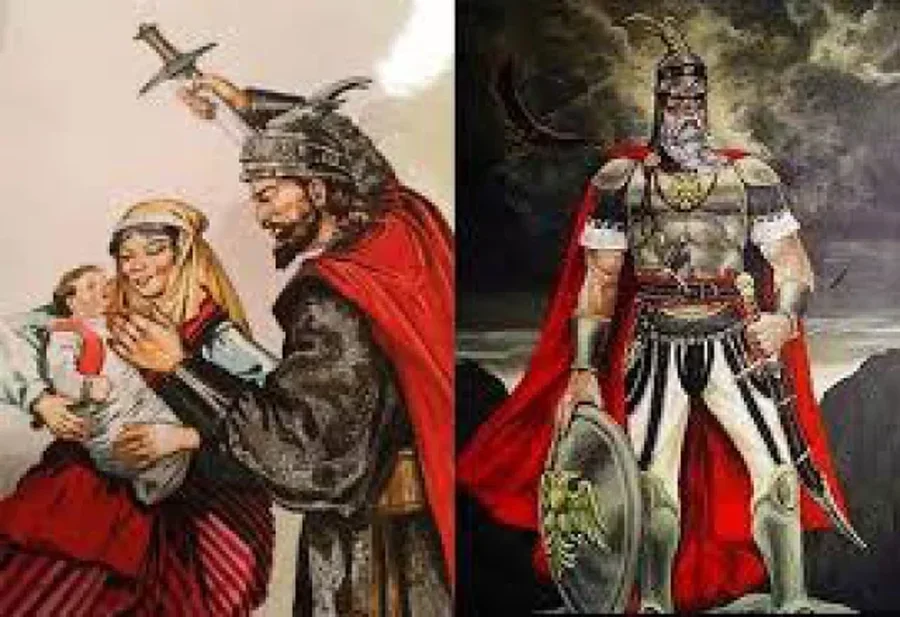
Gjon Kastrioti: father of "Skanderbeg"
George Kastrioti (1404 or 1405-1468) was the son of John Kastrioti, the ruler of present-day northern Albania and Vojvodina, who came from the noble Serbian family of Branković. Silvius Enea (the literary pseudonym of Pope Pius II, 1405-1464), a contemporary of the Kastriotis, believed that the Kastriotis were Macedonians from Imathia (an article by Achilleas G. Lazaros, entitled “Albania” was published in “Nea Estia” for Christmas 1994). It is almost universally stated that George’s grandfather, Constantine, who died in 1390, was ruler of Imathia and Kostur, from which his surname (Kastriotis < Kastoriotis) comes. His father, John, was ruler of Kruja.
It is undeniable that the Kastriots were Christians in religion. John Kastriot (1380-1437), a vassal first of the Ottomans, then of the Venetians and later of the Ottomans again, extended his rule to Alesio, present-day Lezha and the mouth of the Mat River, reaching as far as the sea. Corrupted by the Venetians, he joined them.
However, Sultan Murad I, with his new campaign in the Western Balkans, made Kastrioti his vassal again. To avoid a new federation, he forced him to send his 4 sons Stanish, Reposh, Constantine and George as hostages to Adrianople, at that time the capital of the Ottoman Empire. John Kastrioti and his wife Vojsava had 9 children (5 daughters, whose names we do not know except for one, Mara, and the 4 sons we mentioned).
Sultan Murad, appreciating George's bravery, intelligence, and beauty, took special care of his education. He was educated by the heir to the throne of Mehmed II, also known as "the Conqueror." At a very young age, Murad appointed him commander in a battle with the Serbs.
George showed great bravery and led his army to victory. Murad expressed his admiration by naming him Iskender Bey (Skënderbej) which means “Alexander of the rulers”. It should be noted that both George and his siblings had converted to Islam. However, certain events began to shake George.
The mysterious death of two of his brothers (the third, Reposhi, became a monk, the details of which we will see later), the appointment of an apostate, Hasan Bey Versezenda, by Murad as commander of the garrison in Croatia by Murad, who expelled his mother, who died shortly afterwards (his father had died in 1437), and nostalgia for his homeland, ultimately led Gjergj Kastrioti to leave the ranks of the Ottomans, during a battle with the Hungarian ruler Hunyadi in 1443, and after forcing the sultan's secretary to sign a firman for the surrender of Croatia, he set off for his homeland with 300 trusted men.
He lost only one battle, against Evren Bey, who had a very strong army of 40,000 men, on 26 July 1455. He went to Italy to get help, but achieved nothing special. He married the youngest of the 8 daughters of the Arian George Komnenos, a ruler who also fought against the Ottomans. Skanderbeg was offered the role of leading a crusade, having been rebaptized as a Christian, and he seemed willing to do so, but he fell ill with malaria and died in January 1467 in Lezha and was buried in the church of Saint Nicholas in that city.
Now we will ask some questions about the origin of Kastriotis, who has been declared a national hero of Albania because he was born and acted mainly in the territories that are, today, Albanian. Is the surname Kastriotis Albanian? And if so, what is its etymology?
A është shqiponja dykrenare, emblema e Kastriotis, me origjinë bizantine apo jo? Cila ishte gjuha zyrtare në zonat e kontrolluara nga Kastriotis? Maria Michael - Dede, në veprën e saj "Arvanitasit grekë" shkruan: "... E njëjta gjë ndodh edhe me arvanitasit që zbritën (domethënë në territorin grek) pas rënies së Kastriotis, i cili dihet jo vetëm se ishte grek, por edhe se e kishte greqishten si gjuhë zyrtare të shtetit."
Ioannis Touloumakos, në një fjalim të botuar në procedurat e Konferencës së 2-të Shkencore Panhelenike, me titull: "Qytetet e lashta greke të Epirit të Veriut", shkruan: "... (Kastriotis) përdori emrin e Aleksandrit të Madh dhe ishte mësuar të mbante përkrenaren e lashtë maqedonase me bririn e dyfishtë, ndërsa në të njëjtën kohë paraqitej si pasardhës i epirotëve (konkretisht i Pirros)".
Zëvendëskryetari i Kastriotit ishte i afërm i tij dhe quhej Vrana, një mbiemër i një familjeje të shquar bizantine. Pse nuk ka këngë popullore (në gjuhën e folur) shqipe për heroizmin e Kastriotit, ndërsa ka të ngjashme për heronj me rëndësi të vogël? A kishte një vetëdije kombëtare shqiptare në mesin e shekullit të 15-të? Shqiptarët në atë kohë ishin një grup fisesh ndërluftuese, pa traditë kombëtare, pa unitet kombëtar dhe gjuhësor.
A është e vërtetë që kur Kastrioti u kthye në Krujë, u tha bashkëqytetarëve të tij myslimanë të zgjidhnin midis krishterimit dhe vdekjes dhe meqenëse shumica e tyre refuzuan të bëheshin të krishterë, u masakruan? Fan Noli famëkeq e konsideron këtë veprim të Kastriotit si një luftë të shenjtë kundër myslimanëve.
Sipas gazetarit dhe shkrimtarit francez Rene Pio, grekët morën pjesë edhe në luftërat e Kastriotit. Himariotët, për shembull, me flamuj që kishin një kryq blu dhe të bardhë. Andruçët, Boçarët etj. morën pjesë në mbrojtjen e Krujës. Siç shkruan D.N. Boçari: “…pas vdekjes së Skënderbeut, Boçarët, duke luftuar kundër turqve dhe turko-shqiptarëve, zbritën drejt Dragani. Në fillim të shekullit të 17-të, ata themeluan Lidhjen Suliotike me grekë të tjerë të lirë”.
Mbrojtësit e Mesolongjisë (1825) e konsideronin Kastriotin një hero model, prandaj i dhanë njërës prej artilerisë së tyre, të tretën me radhë pas atyre të Drakoulisit (një personazh dhe luftëtar i vitit 1821 që u vra në Dragatsani) dhe Kanarisit, emrin “Skenderbej”. Ata ishin disa nga shqiptarët që çliruan Greqinë, do të thonë disa…
Duke iu drejtuar Mehmetit II, Kastrioti shkruan: “Gjergj Kastrioti, i riemëruar Skënderbej, sundimtar i Epirit dhe i Shqiptarëve, ushtar i Jezu Krishtit për Mehmetin, monarkun e muhamedanëve, gëzohuni… 30 maj 1461”.
Murati II, në përgjigjen e tij ndaj Kastriotit, e quan atë “sundimtar i Shqiptarëve dhe i Epirit”. Ai vetë, duke iu drejtuar Mbretit Alfonso, e quan veten “Princ i Epirotëve” ndërsa duke iu drejtuar princit të Tarantos, Gjon Antonius, shkruan: “Paraardhësit tanë ishin epirotët nga të cilët lindi ai Pirro… Ju nuk keni burra mjaftueshëm të fortë për t’u rezistuar epirotëve.”
Edhe në pullat shqiptare të emetuara në vitin 1968 me rastin e 500-vjetorit të vdekjes së Kastriotit, emri i tij është shkruar si Gjergji Kastrioti (në njërën prej 25 pullave), ndërsa në një tjetër, është kopertina e historisë së biografit të parë të Barletit me titull: “HISTORIA DE VITA ET GESTIS SCANDERBERGI EPIROTARUM PRINCIPIS” (“HISTORIA E JETËS DHE ARRITJEVE TË SKËNDERBERGUT, PRINCI I EPIRIT”).
Së fundmi, historiani i madh Pavlos Karolidis shkoi në Itali dhe takoi pasardhës të Kastriotit. Ata e quajnë veten grekë, janë ortodoksë fanatikë dhe qendra e tyre kryesore në Siçili quhet Piana de Greci (Vendi i Grekëve). (Në fakt ajo quhet “Piana dei Albanesi” – Pllaja e shqiptarëve.
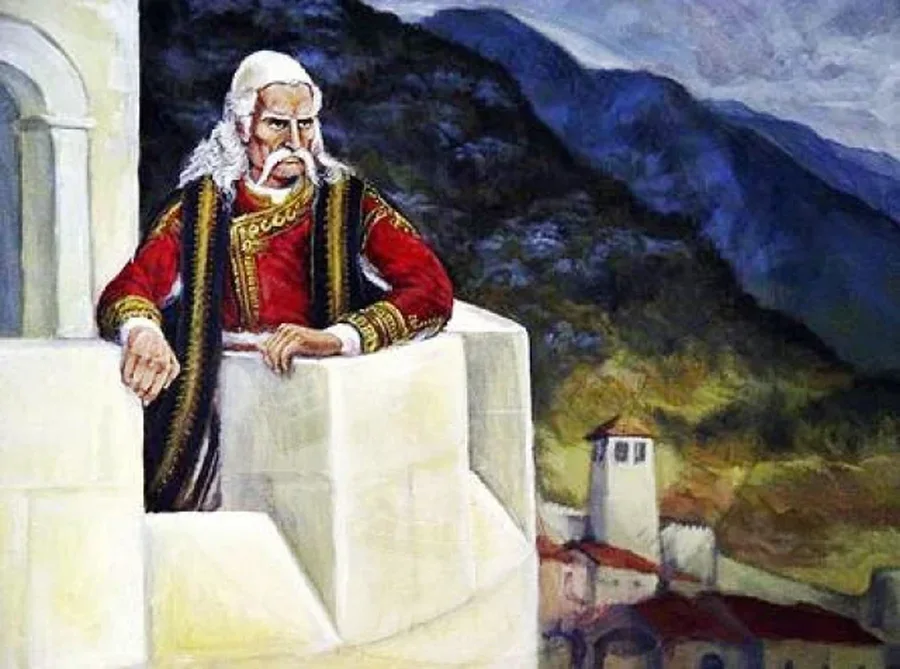
Babai dhe vëllai i Kastriotis janë varrosur në manastirin e Chilandarit në malin Athos! Çfarë është "Kulla e Shqiptarit"?
Arsyeja e ripërtëritjes së angazhimit tonë me Georgios Kastriotis ishte zbulimi në internet i një artikulli rreth “Kullës Shqiptare” në Malin Athos. Ky artikull bazohet në një studim të gjerë dhe të shkëlqyer nga Profesori Ndihmës i Universitetit Aristoteli të Selanikut, Z. Paschalis Androudis. Ne e kontaktuam atë dhe ai me dëshirë ndau disa informacione me ne.
Në revistën “Byzantium” (2002) (f. 219-245), ekziston një studim i gjerë nga P. Androudis me titull: “Dëshmi historike dhe arkeologjike për “Kullën Shqiptare” në Malin Athos.”
Atje lexojmë se në manastirin serb të Hilandarit në Malin Athos, është varrosur Reposio ose Repos, “duka i Ilirisë” i cili vdiq në Hilandari si murg i thjeshtë në vitin 1430. Ky është ndoshta vëllai i G. Kastriotis, i cili deri vonë besohej se ishte bërë murg në Sinai. Reposi me sa duket është vëllai që i shpëtoi osmanëve.
Megjithatë, siç shkruan P. Androudis, një i afërm tjetër i Reposit u bë gjithashtu murg dhe u varros në Hilandari. Ky ndoshta ishte Ioannis Kastriotis, babai i Gjeorgjit, i cili në vitet e fundit të jetës së tij u bë murg në Athos!
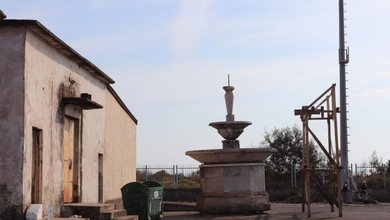
Babai dhe djali janë varrosur në një arcosolium, një lloj varri me hark. "Kulla Shqiptare" shoqërohet gjithashtu me Ioannis Kastriotis. Është një kullë gjysmë e rrënuar në zonën e pyllëzuar në jug të Manastirit të Hilandarit, mbi sketin e braktisur të Trinisë së Shenjtë. Kulla është ndërtuar ndoshta në shekullin e 12-të (sipas një versioni tjetër në vitin 1270 në vendin e manastirit të vjetër të Agios Georgios) dhe ishte një fortesë mbrojtëse kundër bastisjeve pirate. Ajo ka mbështetëse (këmbë) në secilën anë, gjë që tradhton një stil bizantin. Lartësia e saj që ka mbijetuar sot arrin 6 metra.
Sipas një dokumenti të viteve 1421-1422, Ioannis Kastrioti bleu kullën nga Manastiri i Hilandarit për 60 florinj venecianë. Në të njëjtën kohë, ai bleu edhe 4 adelfata, për vete dhe tre nga djemtë e tij. Një “adelfata” ishte e drejta për të banuar në një metokë të një manastiri në Malin Athos, e cila shoqërohej me të drejtën për të shfrytëzuar të mbjellat përreth. Reposi jetoi për disa vite në Kullën e Albanos.
Here, of course, there is an issue with dates. In 1423, Ioannis Kastriotis was forced to send their 4 sons to Adrianople. When did Repos live on Mount Athos? He died in 1430. Did he flee the then Ottoman capital and go to Mount Athos? In 1468, since there was no right of inheritance for the Tower when all the beneficiaries of the Brothers died, the Albanian Tower (arbanaskii pirg) or the Tower of Saint George, was returned to the Monastery of Hilandar.
Later, a community of monks settled there for several years, receiving, at least until 1528, generous subsidies from the rulers of Wallachia. A copper engraving from 1757 depicts the monastery of Chilandari with the Albano Tower, where the monks seem to have lived. It is not known when the tower was abandoned. The Holy Trinity Scythia was abandoned at the beginning of the 20th century. Then, or much earlier, perhaps the "Albano Tower" was also abandoned... This name was first used in 1512. Until then, it was called the St. George Tower.
As mentioned, George Kastrioti was buried in the church of Saint Nicholas in Alesio. In 1474, Mehmed II conquered the city. He ordered that Skanderbeg's tomb be opened, but that his skeleton not be disturbed or desecrated. However, the Turks, attributing magical or miraculous properties to his bones, broke them into pieces and took them, one by one, as amulets. However, his helmet was saved, which is kept in a museum in Vienna. This fact raises a question: does the arcosolium of the Hilandar Monastery hide any secret, which some Albanian historians have also identified? / Protothema