


The war with Iran poses the greatest threat to global energy security in history, the head of the International Energy Agency (IEA), Fatih Birol, warned, stressing that the escalation of the conflict risks causing a prolonged shock to the supply of oil and gas on a global scale.
According to Birol, damage to energy infrastructure in the Gulf region and production disruptions could take more than six months to fully recover. This means that international markets will face a prolonged period of supply shortages and high energy prices, at a time when the global economy is still fragile from previous shocks.
The Gulf region remains one of the world's most important energy supply hubs. A significant portion of global oil and gas production, as well as about a fifth of world oil trade, passes through this area, particularly through the Strait of Hormuz. Any disruption in this key corridor immediately translates into tensions in international markets and rising prices.
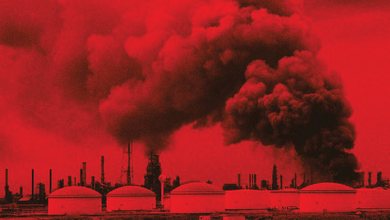
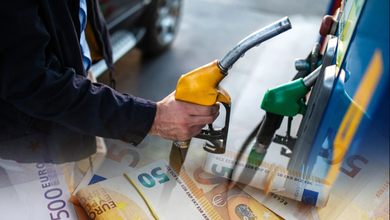
Reports from Reuters and AFP point out that attacks on energy infrastructure and uncertainty on sea routes have forced companies and countries to review supply strategies. Airlines and transport operators are facing higher costs due to rising fuel prices and route diversions, while some countries have begun to consider using strategic reserves to mitigate the immediate effects of the crisis.
At the same time, experts warn that markets may be underestimating the scale of the situation. A prolonged supply disruption would have far-reaching consequences for the global economy, fueling inflation, raising costs for industry and slowing economic growth. Sensitive sectors such as transport, manufacturing and tourism are among the first to feel the direct effects of rising energy prices.
The IEA has suggested that in the face of this situation, countries should take measures to reduce energy consumption in the short term, including reducing travel and increasing the use of alternative forms of work, such as working from home. In parallel, the crisis is also being seen as a strong signal to accelerate investments in alternative sources and renewable energy, to reduce dependence on unstable regions./monitor.al