



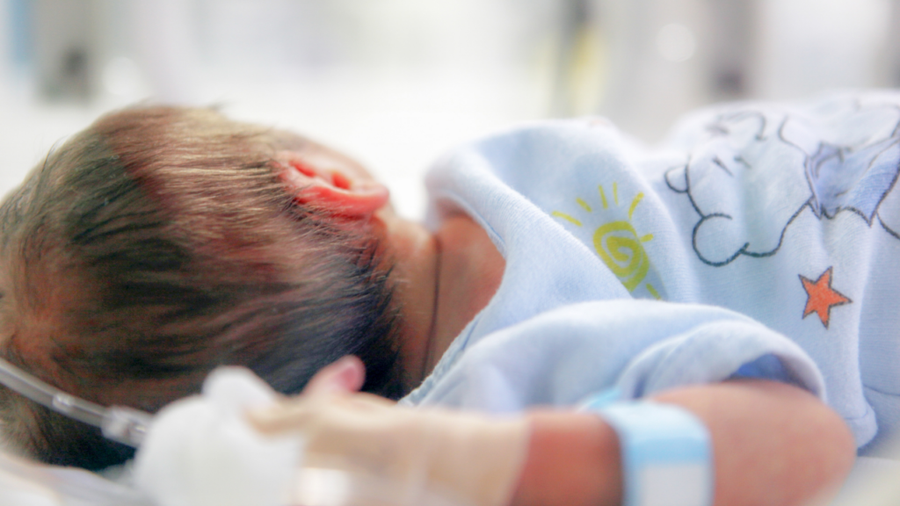
Fertility rates in Europe fell further in 2024, with 1.34 births per woman well below the replacement level of 2.1 children per woman of reproductive age, according to Eurostat data.
Albania, which until 2022 ranked at the bottom of Europe with 1.2 children per woman of reproductive age, has improved its position in the rankings after census corrections.
In 2024, the fertility rate in our country reached 1.64 children per woman, ranking among the 5 European countries with the best fertility rates.
For anyone living in Albania, the high fertility rate may seem unbelievable, given the decline in birth rates, the number of students in schools, or the closure of kindergartens.
This phenomenon is explained by what demographers call the post-census effect. After the 2023 census, it was found that the number of residents in the country had shrunk significantly, mainly due to the emigration of young people. When calculating fertility, the number of births is divided by the number of women of reproductive age living within the country.
Since the Census removed thousands of women who have emigrated from the list, the weight of every birth that occurs in Albania today automatically increases on paper. That is, Albania does not have more babies, but fewer mothers left in the country, which makes the coefficient appear to be improving.
The number of births in our country has accelerated its decline in recent years. Last year, there were about 21,425 births across the country, a decrease of 8.1%.
According to Eurostat, countries like Malta and Spain have practically stopped the process of generational replacement, as they had the lowest fertility rates in Europe with 1 child per woman of reproductive age.
It is interesting to note that Balkan countries, such as Montenegro, Bulgaria, Serbia and Albania, top the fertility list also due to the corrections that occurred with the censuses that were conducted in all countries after the pandemic.
Even Nordic countries, such as Finland or Norway, despite social policies and financial support for each child, are failing to revive the desire to create large families.
On the one hand, it shows that the Albanian family still remains active in bringing new lives, but on the other hand, this positioning comes as a result of mass emigration. If the mass emigration of young women had not occurred, Albania's coefficient would be much lower, reflecting the real crisis that every Albanian home is going through./Monitor.al/