



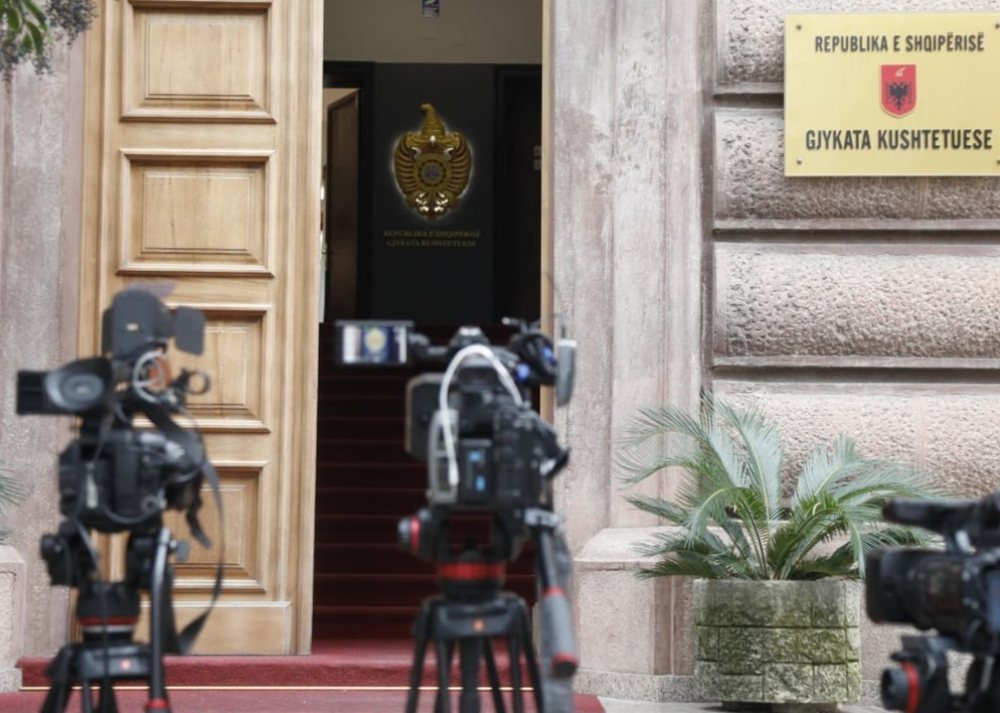
In the closing session, the appellant party, represented by the "Association of Journalists of Albania" and the "Balkan Network for Investigative Journalism, Albania", in their final arguments considered the decision to be unconstitutional.
According to the organizations, the Council of Ministers' decision had impacted freedom of expression and the press, the right to information, economic freedom and the relevant guarantees set out in the Constitution.
For its part, the Council of Ministers defended itself before the court by claiming that the decision had been influenced by public interest and had aimed to protect children's rights.
Although the Council of Ministers overturned its decision to block TikTok in early February, the Constitutional Court continued to review the case on the merits.
The government decided on March 6, 2025, to close the platform due to the alleged negative effect on the psycho-emotional health of children. The decision was followed by a request from the Electronic Postal Communications Authority (AKEP) for companies providing internet services in the country to block access to the Tik Tok application in Albania.
Domestic and international organizations for the protection of freedom of expression have expressed criticism of the government's decision, seeing it as a dangerous precedent for freedom of expression and the imposition of censorship, bringing the matter to the Constitutional Court for review./Reporter.al