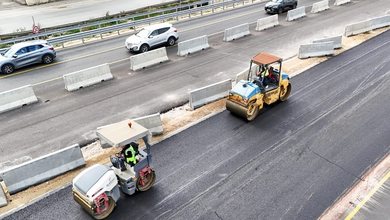



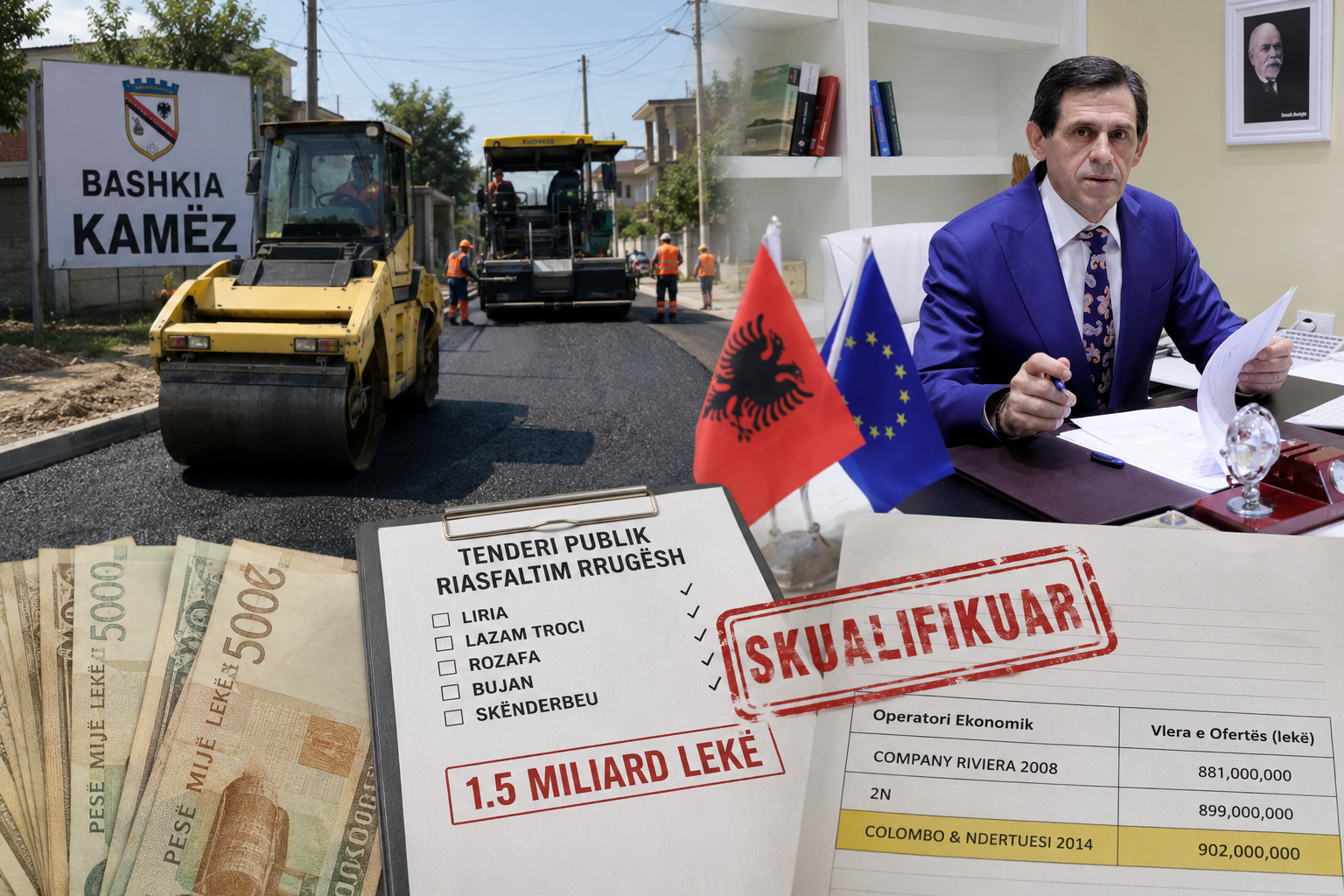
A few months before the local elections, the Municipality of Kamza has intensified work on asphalting roads throughout its territory. This increase in pace is clearly visible in the high number of public tenders announced during the last month, with a special focus on the restoration and paving of road axes.
However, as in many other public procurement procedures, the main concern remains the level of competition. In many cases, the lowest financial bids are disqualified from the competition, leading to entities with higher economic bids being declared winners.
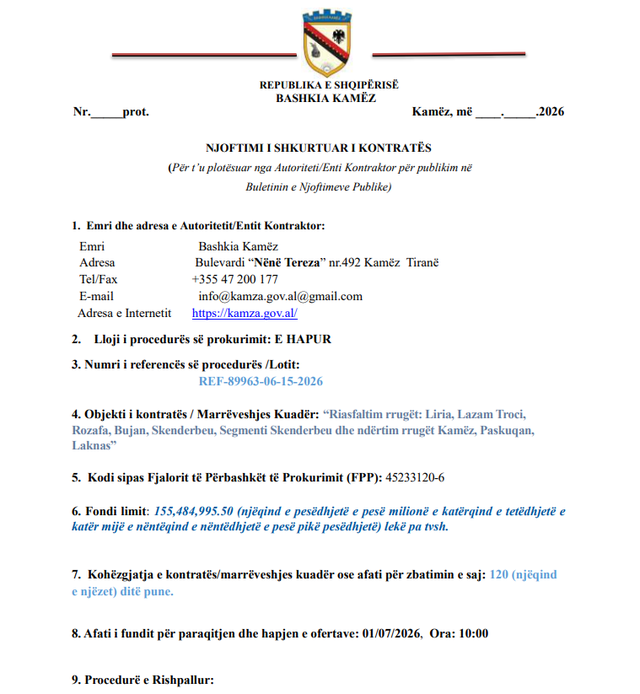
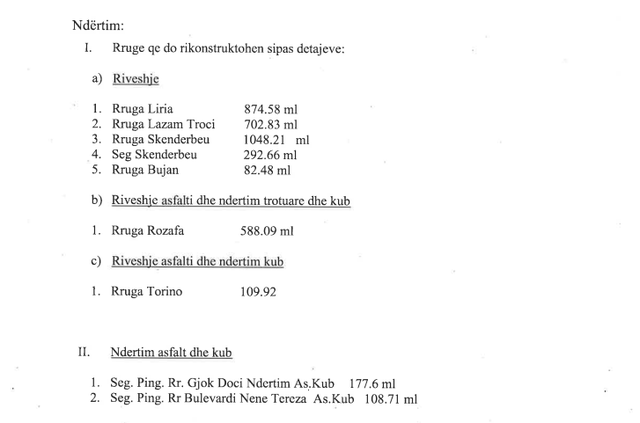
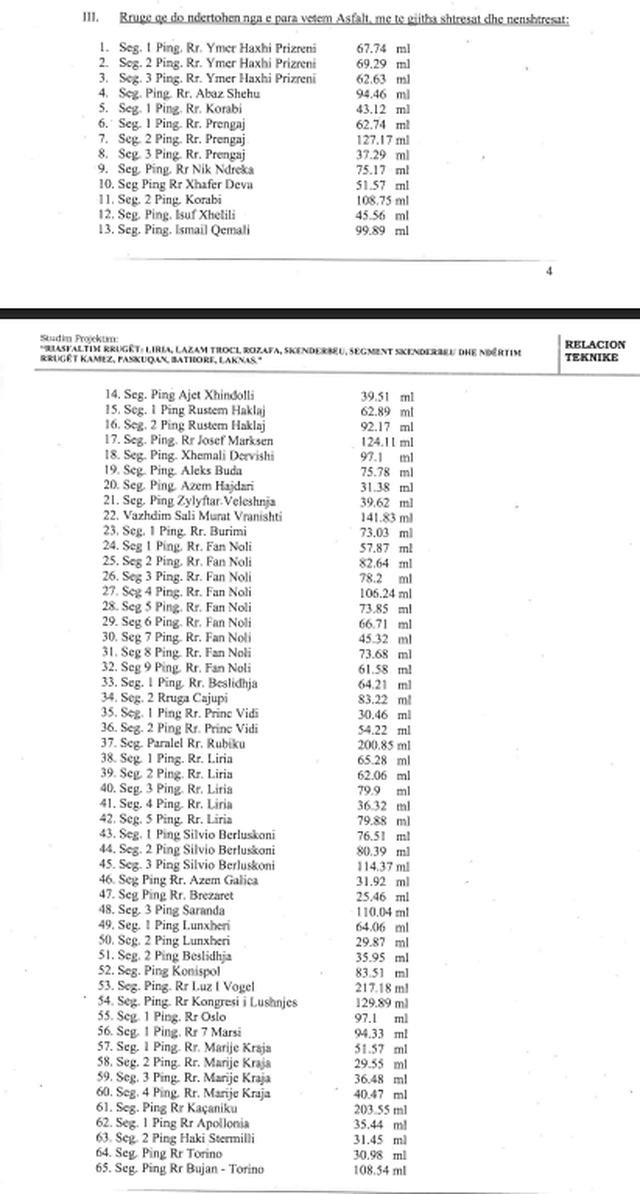
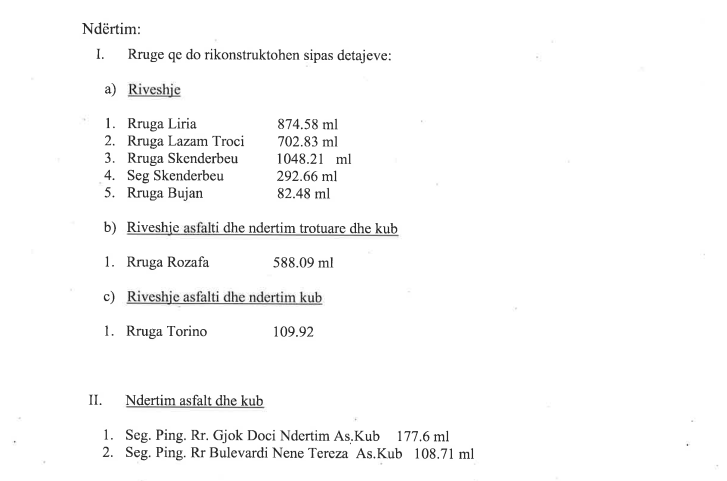
The same progress is also reflected in the latest tender conducted by the Municipality of Kamza. The procedure has as its object the re-asphalting of the roads "Liria", "Lazam Troci", "Rozafa", "Bujan", "Skënderbeu" and the relevant segment, as well as the paving with asphalt for the first time of 65 road segments in Kamza, Paskuqan and Laknas. The limit fund determined by the municipality amounts to about 1.5 billion old lek, about 1.5 million euros, while the deadline for the completion of the works is two months from the conclusion of the contract.
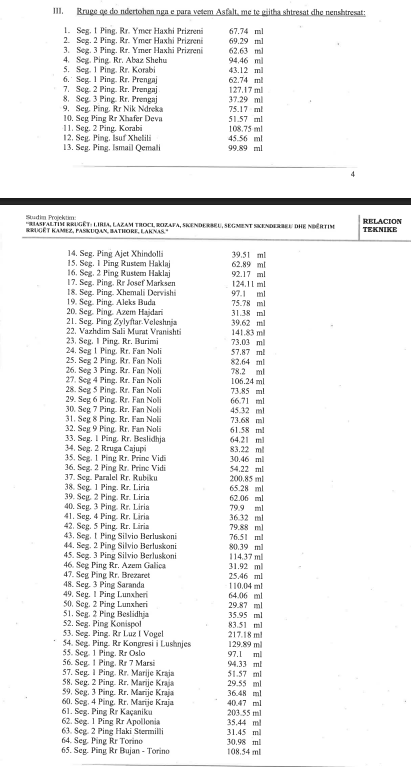
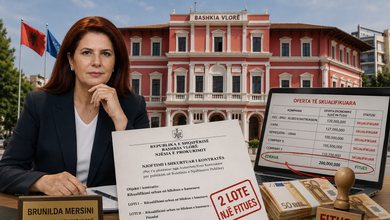
21 companies participated in this procurement procedure, of which 7 were disqualified. In the end, the winner was declared the joint venture of operators “COLOMBO & NDERTUESI 2014”, with a bid of 902 million lek.
What is striking is that among the companies disqualified for not meeting the criteria, there were also two more economical offers than the winner's. More specifically, the entity "COMPANY RIVIERA 2008" had submitted a bid of 881 million lek, about 21 million lek less than the winner, while the company "2N" had competed with a value of 899 million lek.
Such decisions raise questions about the criteria used and the management of public funds on the eve of the campaign. Beyond technical procedures and official arguments, asphalt on the eve of elections continues to remain one of the main political cards used over the years in this municipality.
It is important that the asphalt shines on election day, because what happens with the taxpayers' money and how long that road will last after the elections is another story.