


After a two-month stalemate, the political parties returned to the electoral reform table in mid-February, with a compromise and much mistrust. The first agreed product is a special law on the Financing of Political Parties – presented both as a necessity and an obligation of negotiations with the European Union.
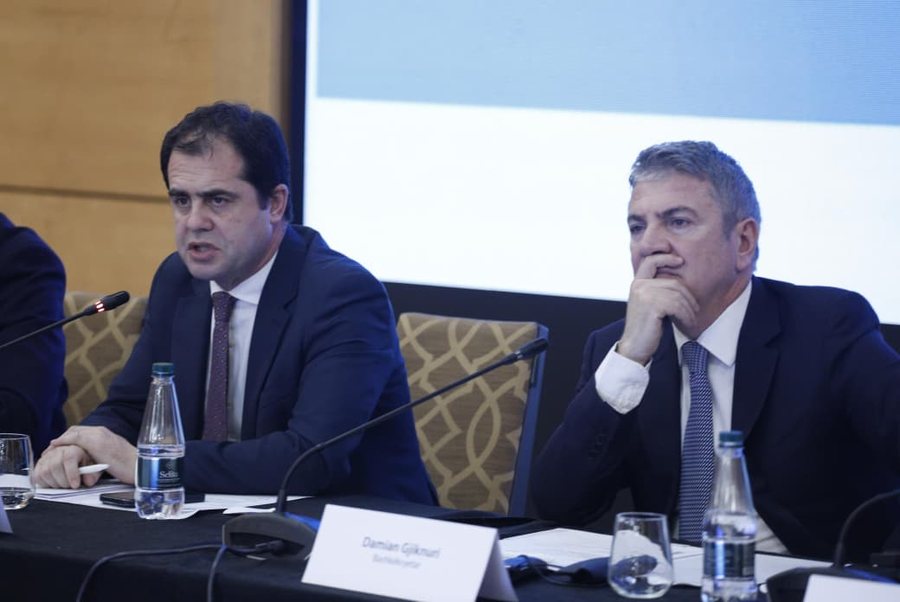
Damian Gjiknuri, the socialist co-chair of the electoral reform commission, considers the law important for the democratization and transparency of political parties.
“The financing of political parties takes on great importance, as through transparency, good use and accountability of resources and expenditures, the bed is created for a more democratic party that functions according to the rules,” he told BIRN.
However, the drafting of the new law seems insufficient to heal the distrust of opposition political parties towards the reform and the electoral process.
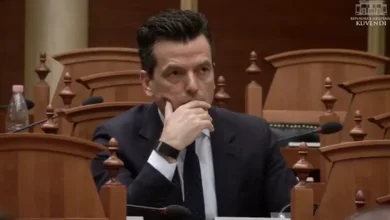
“It is difficult for a law on the Financing of Political Parties to be enough to create confidence in reform, when there has been no consensual reform for 13 years,” says Oerd Bylykbashi, co-chair of the committee from the opposition. “If we consider the challenge of political and institutional developments, including the “Balluku” case and developments around it, the difficulty becomes clearer,” he added.
In the unstoppable political war in Albania, so-called electoral reforms represent brief moments of truce. However, the products adopted over the last decade have been considered more as legal patches that have failed to guarantee electoral standards.
In addition to the Law on Financing of Political Parties, the commission's calendar foresees concluding the review of the Electoral Code by the end of July to address recommendations related to campaign monitoring, the administration process, and the use of state resources in elections.
But election experts in Albania are calling for deeper interventions to prevent the integrity of the elections from being compromised.
“Instead of an in-depth and comprehensive process, the political class has tended to orient itself towards minimalist and last-minute solutions, which are rhetorically presented as reformist achievements,” Dritan Taulla, deputy chairman of KRIK Albania, told BIRN.
“… Some of the issues that affect the integrity of elections are not addressed only through amendments to the Electoral Code, but require interventions integrated into the legal framework for Political Parties, public administration or a law dedicated to political financing, so that the regulation is truly effective and enforceable,” he added.
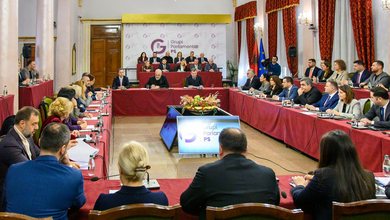
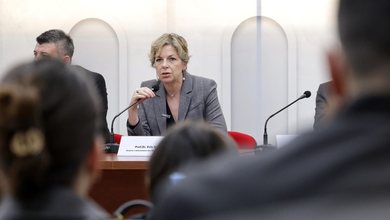
Consultation table on the Law on Financing of Political Parties. Photo: LSA.
Since the 1990s, elections in Albania have been monitored by OSCE-ODIHR missions, whose recommendations serve as a guide for interventions in the Electoral Code. In its latest report on the May 11, 2025 elections, which gave Prime Minister Edi Rama an unprecedented fourth term, the OSCE-ODIHR mission was particularly critical of the use of state resources to the advantage of the ruling party.
“The elections were marked by massive misuse of public resources and institutional powers by the ruling party, while numerous reports of pressure on public sector employees and other voters, as well as cases of [voter] intimidation, were concerning,” the report said.
According to expert Kristaq Kume, the main task of the electoral reform commission is to address a significant number of recommendations from the OSCE-ODIHR missions for the elections held in 2017-2025, which have not yet been reflected in legislation.
"The results obtained from these elections have highlighted the need for fundamental changes in legislation, with the objective of reducing the scope for the negative effects of those changes to appear on the functioning of representative democracy," said Kume.
In addition to the Financing Law and changes to the Electoral Code, political parties agree that the time has come for a review of the Law on Political Parties – although the current political climate may become an obstacle.
According to Oerd Bylykbashi, the lack of guarantees in the current law was used by Prime Minister Edi Rama during the years 2022-2024, to hold hostage the identity logo and the right to compete in elections.
"There is a need for mechanisms that push parties towards democratization and collegiality within parties, but without increasing state intervention in political life," said Bylykbashi.
Even Gjiknuri from the Socialist Party is open to this discussion.
"This belongs to a future discussion, if there is political will from the main political forces in the country," he said.
The new parliamentary parties are distrustful of the reforms led by the SP-DP, which, according to them, do not aim to solve problems, but to destroy opportunities for the new forces.
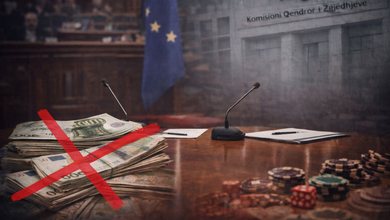
“The financing of political parties by oligarchs and organized crime, as well as the control of the mainstream media during the election campaign, are the main reasons why there are no free and fair elections in Albania,” says Agron Shehaj of the Mundësia Party, adding that none of the major parties aims to solve these problems.
Arlind Qori of the Together Movement also believes that the commission's goal is not democratic elections, but the preservation of the SP-PD duopoly in Albanian politics.
"Leaving the extremely important issue of regulating political party financing to these parties is like hanging livers around wolves' necks and expecting them not to eat them," he said.
Për drejtuesin e “Shqipëria Bëhet”, Adriatik Lapaj, dy partitë e mëdha i shohin financimet nga buxheti i shtetit si “diçka dytësore”, edhe pse kanë ndikuar që ato të shpërndahen në mënyrë abuzive.
“Shqipërisë i duhet një ligj që siguron financim real për partitë parlamentare dhe pamundëson financimin në të zezë,” tha Lapaj, ndërsa theksoi gjithashtu se ligji për “Partitë Politike” ishte i vjetëruar
Prej fillimit të viteve ’90, Shqipëria ka ndërruar pesë sisteme të ndryshme zgjedhore, pa mundur të organizojë zgjedhje të lira dhe të ndershme. Themelet e sistemit aktual proporcional rajonal u hodhën me ndryshimet kushtetuese të vitit 2008, të kryera pas një marrëveshjeje mes Ramës dhe Berishës.
Por sistemi është modifikuar në mënyrë të njëanshme që prej asaj kohe, duke hequr koalicionet dhe mundësuar hapjen e pjesshme të listave të kandidatëve për deputetë.
Sipas Bylykbashit, sistemi aktual është kthyer tashmë në një hibrid toksik.
“Në çdo rast, ky sistem aktual i miratuar nga Rama në vitin 2020 pa konsensusin e opozitës duhet zëvendësuar patjetër, sepse është i njëanshëm, është një hibrid toksik për pluralizmin dhe dëmton konkurrencën,” tha Bylykbashi, duke favorizuar sistemin mazhoritar.
Edhe pse sistemi zgjedhor është i rëndësishëm, ai nuk mund të fajësohet gjithësesi sipas opozitës për sëmundjet e zgjedhjeve në Shqipëri.
“Thembra e Akilit janë pushtimi i zgjedhjeve nga shteti, përfshirja e krimit të organizuar në zgjedhje dhe shitblerja e votës. Këto e mbysin çdo sistem zgjedhor,” theksoi Bylykbashi.
Edhe eksperti Kume është në favor të rishikimit të sistemit zgjedhor, që sipas tij ka prodhuar tashmë deformime në skenën politike shqiptare.
“Mjafton t`i referohemi rezultateve të marra nga sistemi proporcional rajonal që zbatohet tek ne, duke filluar që nga zgjedhjet për Kuvendin në vitin 2009. Edhe pse sistemi është proporcional, thelbi i të cilit është realizimi i një produkti që ka cilësi të mira përfaqësuese, i zbatuar në Shqipëri ky sistem ka prodhuar mazhorancë qeverisëse të një partie të vetme dhe deri në mazhorancë me shumicë gati të cilësuar,” theksoi ai.
Apeli për ndryshimin e sistemit shihet megjithatë me rezervë nga bashkëkryetari socialist, Damian Gjiknuri.
“Sistemet Zgjedhore nuk rekomandohen të ndërrohen shpesh sa herë që mbarojnë zgjedhjet apo bazuar në impulset politike të forcave të reja politike, që vazhdimisht kërkojnë rishikim,” tha Gjiknuri.
“Sistemet zgjedhore janë zgjedhje sovrane kushtetuese të çdo vendi dhe nuk ka rekomandime apo standarde specifike për to,” shtoi ai.
Partitë e reja parlamentare po përgatiten gjithashtu për propozimet e tyre, pavarësisht se nuk besojnë te qëllimet e dy partive të mëdha.
Sipas Agron Shehajt nga Partia Mundësia, PS dhe PD do të bëjnë edhe këtë herë atë që kanë bërë për 35 vjet me radhë.
“Opinioni publik do ta zbulojë kur të dalin propozimet e tyre, si Senati dhe ulja e numrit të deputetëve. Kjo është arsyeja pse Partia ‘Mundësia’ refuzon të bëhet pjesë e pazareve të tyre,” tha Shehaj.
Almost on the same wavelength is the chairman of the "Bashkë" Movement, Arlind Qori, who adds the definition "corrupt duopoly" to the SP and DP tandem.
"Electoral legislation has always been the product of dishonest deals between the SP and the DP. Under these conditions, I do not expect anything good from the negotiations between them," he stressed.
Adriatik Lapaj calls on the opposition Democratic Party to openly distance itself from this electoral system, while he himself expresses his support for the national proportional system with open lists.
"Albanians need the democratization of the country and the overthrow of the corrupt and prolonged rule of Edi Rama. This is proof for the DP," said Lapaj, insisting on opening the race.