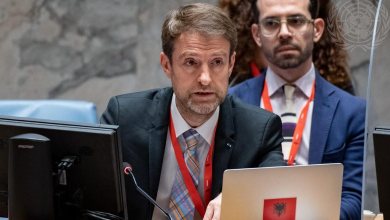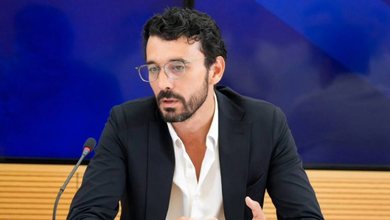



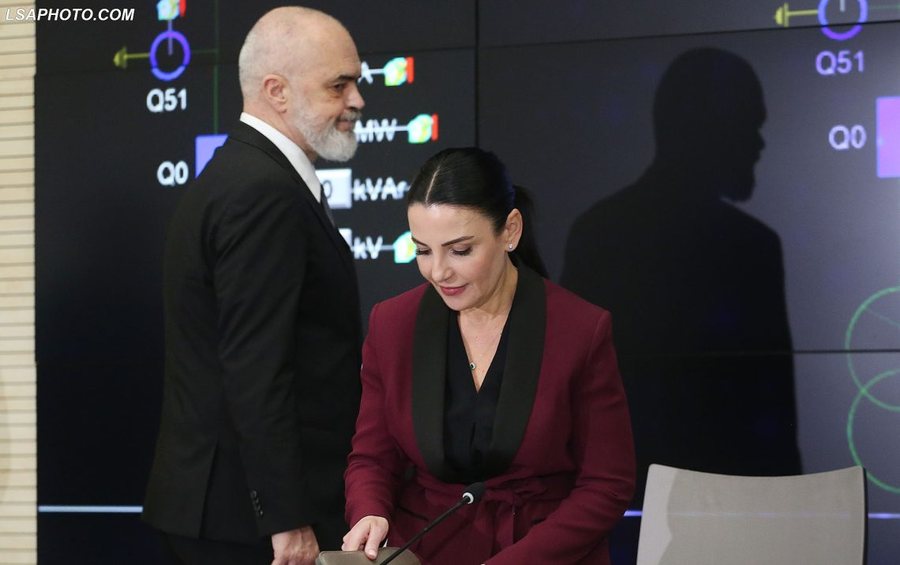
The removal of Deputy Prime Minister Belinda Balluku from the government cabinet, four months after the accusations were raised by SPAK, is, according to political experts, a make-up operation that does not change her power within the Socialist Party.
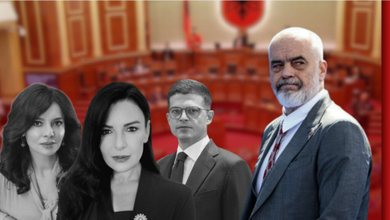
Prime Minister Edi Rama used a meeting of the Socialist parliamentary group to dismiss Belinda Balluku from government positions, four months after the Special Prosecution Office indicted her for the criminal offense of violating equality in tenders.
Balluku, who is known as one of Rama's close and early collaborators, held the position of Minister of Infrastructure and Energy since 2019 and that of Deputy Prime Minister since 2022.
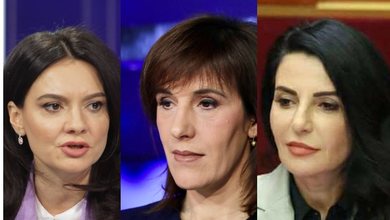
Without arguing the need for other changes in the government, Rama also dismissed Elisa Spiropali from the post of Foreign Minister and Pirro Vëngu from the Ministry of Defense, just a few months after their appointment.
Balluk's duties in the cabinet will be divided between Albana Koçiu in the post of Deputy Prime Minister and Enea Karakaçi - a former subordinate of hers, who will ascend to head the Ministry of Infrastructure.
The accusations against Balluk raised in October placed Prime Minister Rama in the position of political defender, changing his previous course in relation to justice.
Before signing the dismissal on Thursday, Rama said he had rejected Balluk's resignation three times, while leaving the political decision-making process for lifting her immunity in Parliament unclear.
For political observers, the dismissal of Deputy Prime Minister Balluku is a belated act aimed at deflecting international pressure without really changing the government's antagonistic approach to the justice system. On the other hand, they emphasize that the changes show that Balluku continues to maintain power in the Socialist Party.
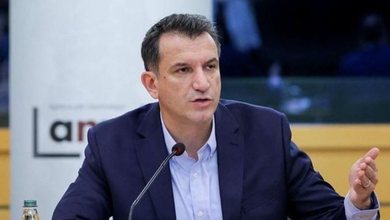
“The dismissal of the deputy prime minister is good news, but delayed and insufficient,” says Afrim Krasniqi, director of the Institute for Political Studies.
"The Assembly should approve SPAK's request for full investigations and the Prime Minister should have dismissed him in December, especially when he has stated that he has rejected three resignations...," he added.
Even for Ilir Kalemaj, a political science professor, the decision to dismiss Balluk was "late and insufficient" for the message it sent to justice institutions, ignoring checks and balances between institutions.
The other names that entered or left Rama's cabinet are considered by experts either as a direct influence of the political power that Balluku continues to have in the SP, or as 'political makeup' to minimize the cost of the departure of the government's number two, in which Rama is invested.
Krasniqi predicts a short-term political future for Balluku, but emphasizes that she continues to have influence in the Socialist Party even after her dismissal, as long as she continues to have "the official, political and personal support of the prime minister."
Krasniqi considers yesterday's changes as forced, while the new appointments are insignificant, as long as the executive system is pyramidal and, as investigations have shown so far, the most important acts, including those related to tenders, are imposed from above.
“…political and public life in Albania, instead of focusing on missing reforms and the integration process, wastes more than three months of energy on the pre-democratic debate on whether a senior official should be investigated,” Krasniqi stressed.
Meanwhile, Kalemaj considered Thursday's parliamentary group meeting parade an Albanian political paradox, where changes in the government were not accompanied by any political or technical balance or assessment.
"The changes made by Rama had two purposes; to cover Balluku's movement with ashes, but by rewarding her investments in the government with posts, while also dismissing Spiropali as her 'cop'," Kalemaj said.
For Political Science lecturer Ermal Hasimja, the dismissal of Balluk and the changes in the government are an attempt by Rama to fix what appears to have broken down in relations with internationals.
"It seems like it's a make-up operation by Rama that aims to preserve power relations within the majority and, on the other hand, give internationals the illusion that he is changing things and has reflected on their criticism," Hasimja assessed. /BIRN/