


A series of unprecedented visits by Socialist Party deputies to courts and justice institutions should raise serious concerns about political interference in a system that the Constitution provides for as independent.
According to official Assembly documents, the Committee for Civic Initiatives, Cooperation and Institutional Oversight led by Fatmir Xhafaj, known as the promoter of previous efforts to undo the Justice Reform, has organized familiarization visits to courts in several cities, as part of a purported monitoring mechanism for security in institutions.
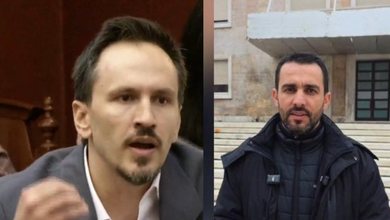
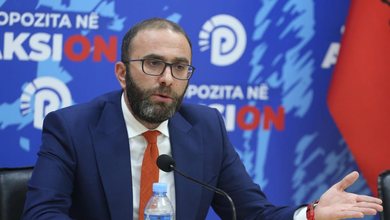
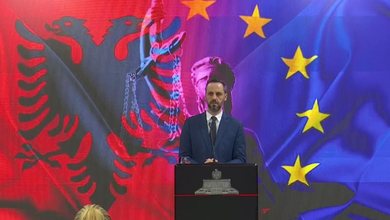
SP deputies have been present in several courts in the country:
• In Fier: Bledi Çomo and Erjo Mile
• In Korça: Bledi Çomo (Saimir Hasalla was scheduled, but was absent due to the quorum)
• In Tirana: Aulona Bylykbashi and Erjon Malaj
• In Elbasan: Aulona Bylykbashi and Saimir Hasalla
• In Lezha and Shkodër: Onid Bejleri
The meetings were requested by official email from the Assembly, and the delegations were hosted by chancellors or court presidents, which makes the intervention formally institutional — but politically sensitive.
Sources indicate that similar visits have also taken place at the General Prosecutor's Office, the High Prosecutorial Council (KLP) and the Ministry of Justice, extending parliamentary intervention beyond the courts, towards the entire justice chain.
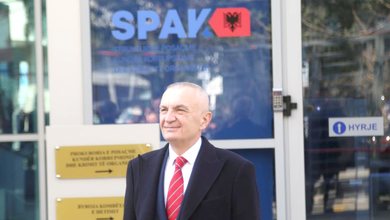
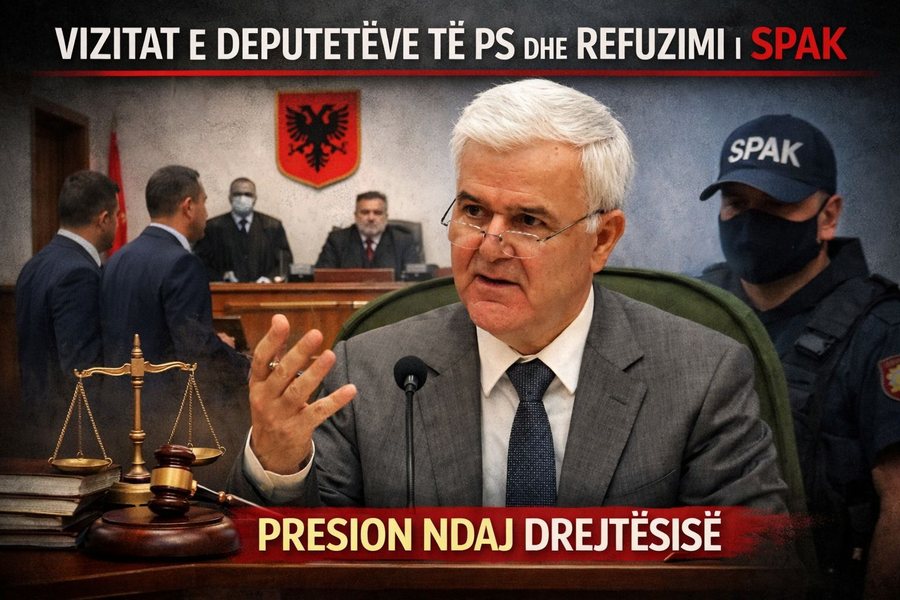
Meanwhile, the GJKKO had received MPs for a visit last Friday, but it was postponed due to the holding of a special session for the Peace Board. In contrast, SPAK has rejected any visit or intervention, signaling a strong stance in defense of institutional independence.
On February 4, the Commission led by Xhafaj summoned the Ministry of Justice, the Ministry of Interior, and the State Police for a hearing, focusing on security elements in courts and justice institutions. All three of the above institutions are in fact run by the majority and are mechanisms in its hands.
According to sources, the majority's plan with these mechanisms foresees:
• Changes in legislation, to determine who should provide protection for justice institutions
• Interventions in technology and security systems
• A third phase for infrastructure
But Mr. Xhafaj will likely not stop there. As before, his actions warn that this process could serve as a pretext to increase political influence over the courts and prosecutors' offices, under the guise of "security."
Fatmir Xhafaj is not an unknown name in this history. In the last legislature, he led a project for changes under the Justice Reform, an initiative that was openly opposed by the US Embassy and the European Union Delegation, due to the risk of weakening the independence of the new institutions.
Today, the effort seems to have taken a new form: not through law at first, but through institutional pressure and physical “visits” to courts and prosecutors’ offices — an unusual and potentially intimidating practice.
From "monitoring" to intervention?
Because if the official talks about familiarization visits and institutional oversight, the reality speaks of MPs physically going to courts and prosecutors' offices, raising serious questions about the limits of political power and the independence of the judiciary.
At a time when SPAK and the new justice institutions are under constant political pressure, these visits risk being read not as cooperation, but as a silent coup against justice, aimed at its gradual subjugation.