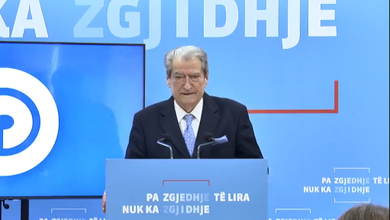


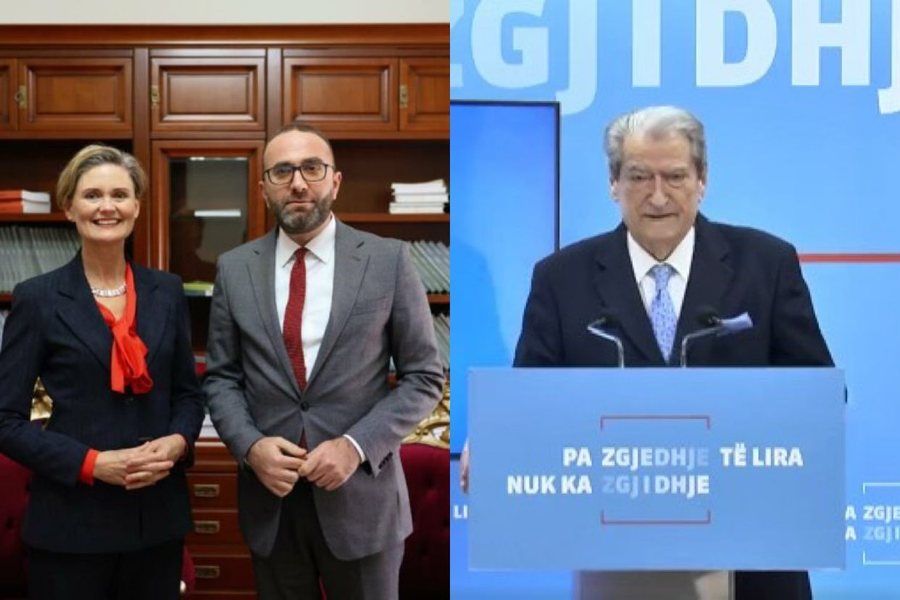
On the same day that Sali Berisha appeared before journalists with strong accusations against the EU ambassador in Tirana, Silvio Gonzato, calling him a "transmitter of Edi Rama's paid propaganda" and a "distributor of disinformation in European institutions", another scene with completely different tones took place inside the Albanian Parliament.
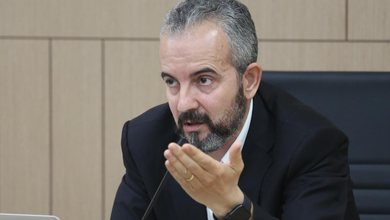
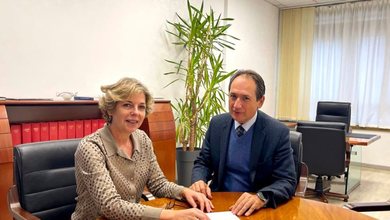
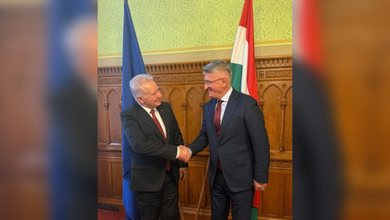
While Berisha spoke of “targeted attacks” by EU and European Commission officials, accusing Gonzato of spreading the thesis among MEPs that he is “not pro-Western” and that he holds a MAGA-inspired agenda — a claim he described as a political fabrication — Gazment Bardhi, head of the DP Parliamentary Group, was waiting in his office in the Assembly for the US Chargé d’Affaires in Tirana, Ms. Nancy VanHorn.
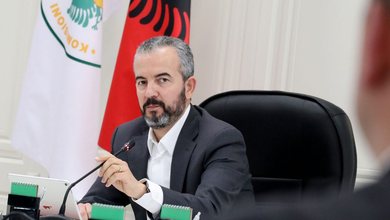
In his statement, Bardhi repeated the same narrative that the DP has long articulated: that Albania over the past 12 years has been run by “a government partnered with organized crime and drug cartels,” which remains in power “through the dirty money of corruption and crime.” He positioned the DP as the only ally of the United States in the battle against corruption and as a guarantee for free elections.
The contrast is obvious:
– Berisha targets the EU, European Commission diplomats and accuses that a disinformation campaign orchestrated by Tirana is being built against him.
– Bardhi, meanwhile, seeks to refresh the DP's credentials before the US, again in the institution, while maintaining a much more institutional and moderate approach.
And yet, this apparent coordination between the “president who acts as a gendarme with the internationals” and the “head of the Parliamentary Group who keeps the door open for the US” has lost its former luster. Because, since the day Sali Berisha was declared non grata by the US and then by the United Kingdom, the reality is one: no senior American or European official has set foot in the DP headquarters.
Bardhi's meeting in the Assembly is more of an institutional protocol than a sign of the restoration of political relations. Meanwhile, Berisha's offensive against the EU further narrows the DP's diplomatic space.
Thus, the DP today seems to operate with two narratives that do not meet:
one that combats "EU propaganda," and the other that tries to keep a line of communication with the US alive.
A game with two rhythms, two roles, and a single crisis of credibility — which no longer convinces either Albanians or international partners.