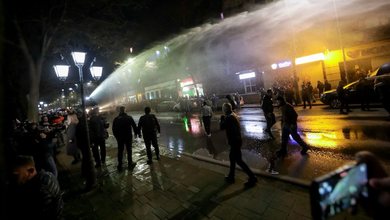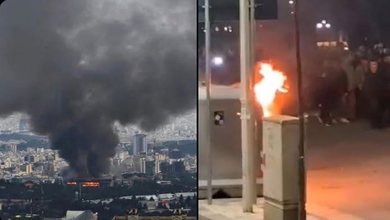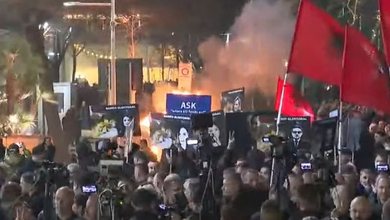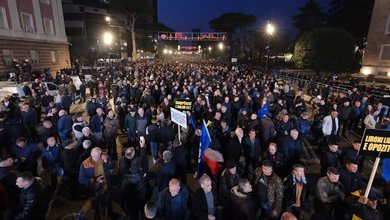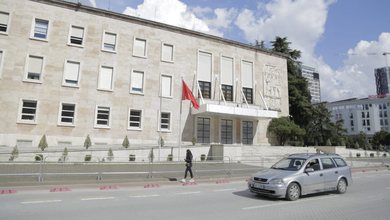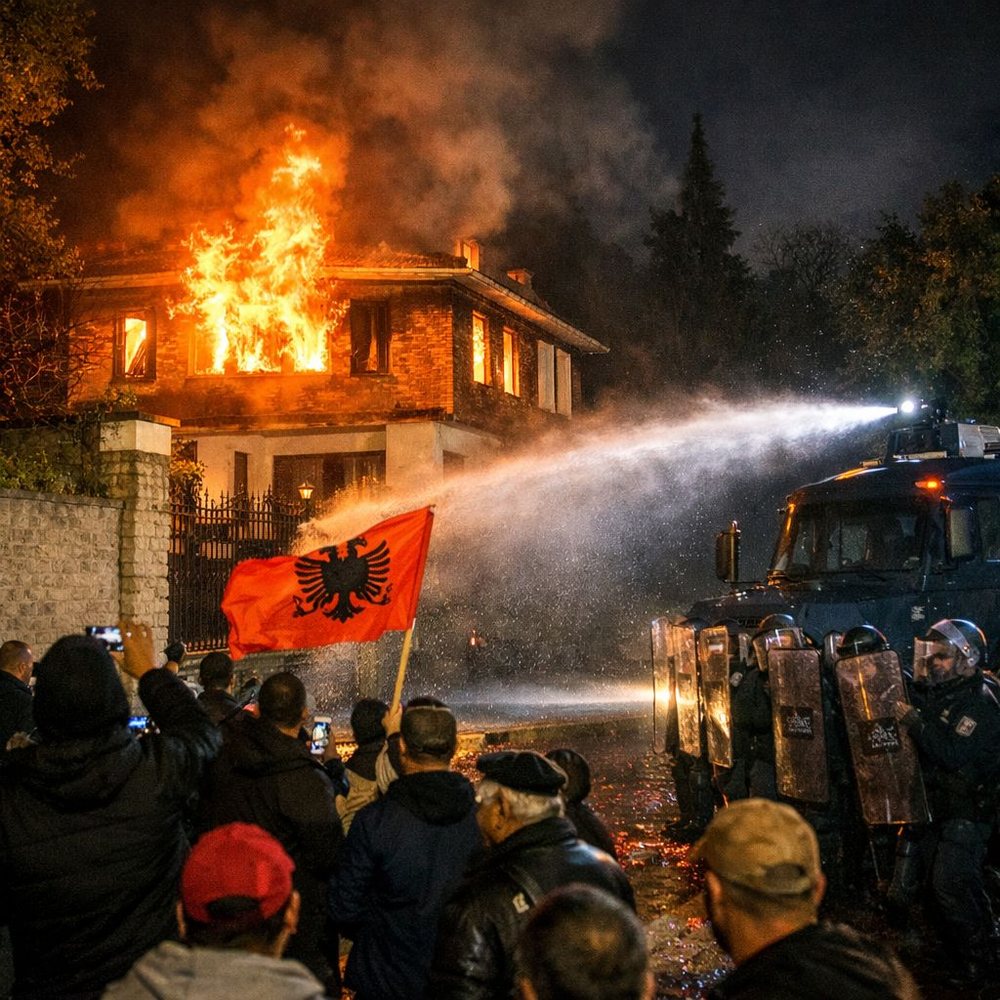
Last night's statements by Democratic Party leaders have highlighted two different versions of the reasons for the Molotov cocktail attack on Enver Hoxha's former villa.
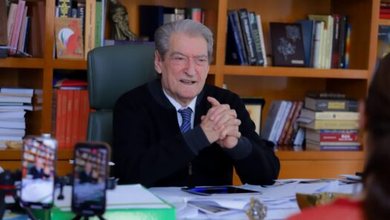
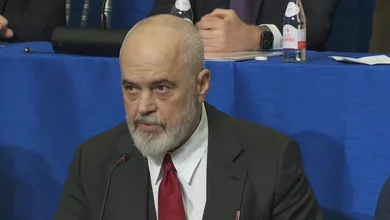
The leader of the Democratic Party, Sali Berisha, declared that the protesters were “deceived” by undercover agents of the criminal police, who – according to him – spread the news that Prime Minister Edi Rama lived in that apartment. “The whole battle was an outburst of hatred towards Edi Rama and not towards the buildings,” Berisha said, adding that Rama lives in Surrel or at Mehmet Shehu’s villa.
On the other hand, the head of the DP parliamentary group, Gazment Bardhi, gave another explanation. He stated that the building serves as a place where, according to him, Rama "closes deals with crime" and at the same time is a symbol of dictatorship. Bardhi described the reaction as a "citizens' revolt" against the return of "shades of that regime" 35 years after its fall.
The two positions leave room for interpretation: whether the attack occurred as a result of disinformation by "infiltrated agents", or as a conscious act against a symbol of communism and, according to the DP, against the prime minister himself.
The dictator's former villa has stood for more than three decades in the middle of Tirana. The question that arises is why the symbol was recalled now – and what is the real motive behind what happened.