


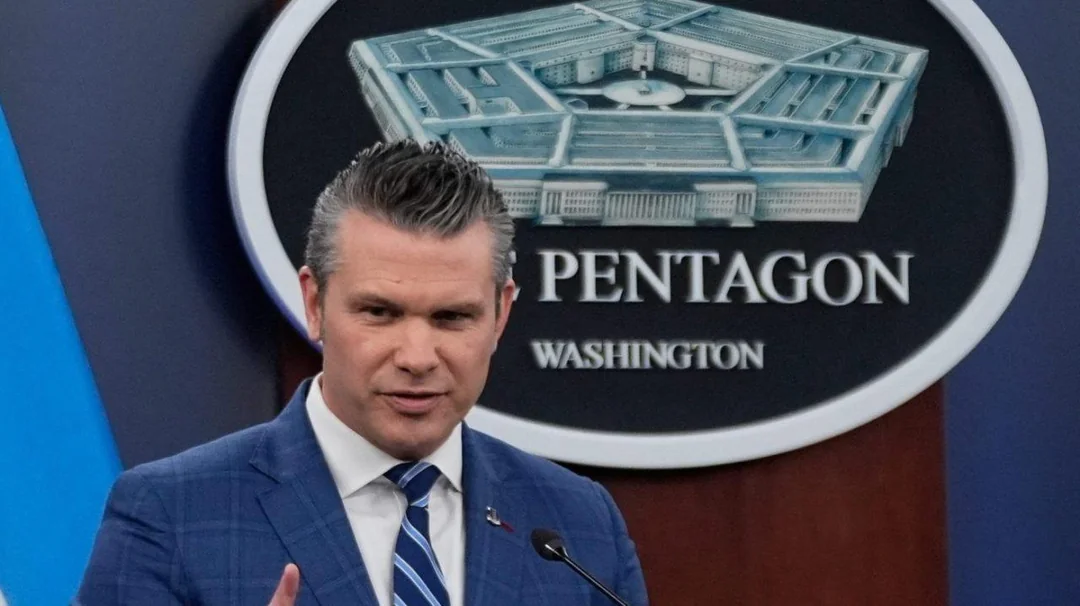
US Defense Secretary Pete Hegseth has introduced a new health program that provides for mandatory testing of testosterone levels for all active duty and reservist military personnel over the age of 30.
According to the Pentagon, the testing will be included in periodic health checks and aims to identify cases of testosterone deficiency, a hormone linked to energy, physical strength, muscle mass and overall well-being.
In a video posted on the X platform, Hegseth called the initiative "High Testosterone Department," emphasizing that the goal is for soldiers to have the necessary hormonal levels to perform at their peak capacity.
Personnel who are found to have low testosterone levels will be offered hormone replacement therapy voluntarily and only under medical supervision.
Pentagon spokesman Sean Parnell explained that the test will be mandatory for active duty and reservist military personnel over 30 years old, while those under this age will be able to undergo testing upon request.
"This program will enable the Department to create a comprehensive database and provide targeted therapies, supporting a healthy and capable military force," Parnell stated.
The Pentagon stressed that the program is not related to the use of hormones for artificial muscle growth. Taking testosterone without a medical indication and without a prescription remains prohibited for military personnel.
The announcement has sparked mixed reactions in American politics. Democratic Senator Tammy Duckworth, an Iraq War veteran, called for hormone testing to be available to both men and women in the military.
On the other hand, Congresswoman Chrissy Houlahan criticized the initiative, calling it part of the "culture war" promoted by Hegseth.
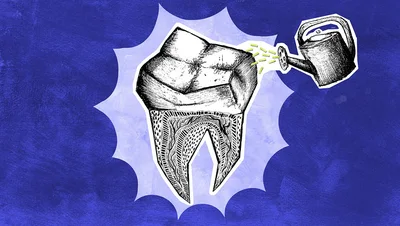
Experts note that testosterone levels in men naturally decline after the age of 30–40. A lack of this hormone can cause fatigue, decreased libido, mood swings, and loss of muscle mass. According to estimates, low testosterone affects about 10–40% of older men worldwide.
Baylor College of Medicine professor of urology Dr. Mohit Khera said that testosterone control could be beneficial for overall health, especially in military personnel who require high physical performance. However, he cautioned that hormone therapy should not be used without symptoms and a careful medical evaluation, as it can be associated with side effects, including infertility in young men and a possible increase in cardiovascular risk.
The Pentagon's decision comes at a time when the US administration is considering expanding access to testosterone therapies and their use in medical practice.