


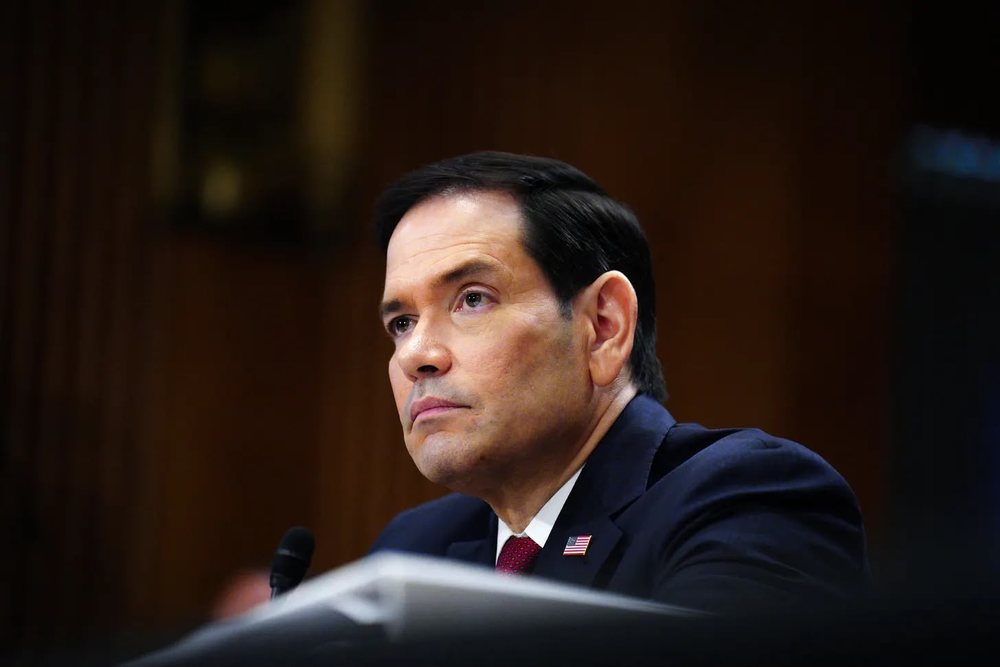
US Secretary of State Marco Rubio has argued that the United States intends to dismantle the International Criminal Court (ICC), explaining the reasons and principles on which Washington's opposition to this court is based.
According to Rubio, the ICC was created to prosecute the most serious crimes that shock the conscience of humanity, acting impartially and in accordance with the fundamental principles of international law, without violating the sovereignty and constitutional order of states. However, he argues that the court has strayed from this original mandate.
According to him, today even soldiers, law enforcement officers, civil servants, and democratically elected leaders can end up before an international court, tried by judges from other countries according to standards of international law that, according to him, have not been adopted by the United States and do not necessarily comply with their constitutional system.
Rubio warns that such a development violates the sovereignty of states and turns the ICC into an institution with powers that exceed the mandate for which it was created. For this reason, he declares that the US administration will use all diplomatic and political means to "dismantle it, brick by brick, if necessary."
If this reflects the direction of American policy towards the ICC, then a broader question arises for other international criminal justice institutions, including the Kosovo Specialist Chambers in The Hague.
Some might argue that Washington’s skepticism of international criminal courts could extend to this court, especially in light of criticism of the prolonged detention of former Kosovo leaders, including Hashim Thaçi. Whether such a shift in US policy will occur remains to be seen. However, it is clear that the debate over the legitimacy, accountability, and limits of international criminal justice is set to intensify.