


By Agim Xhafka
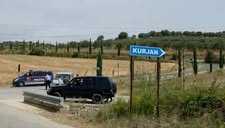
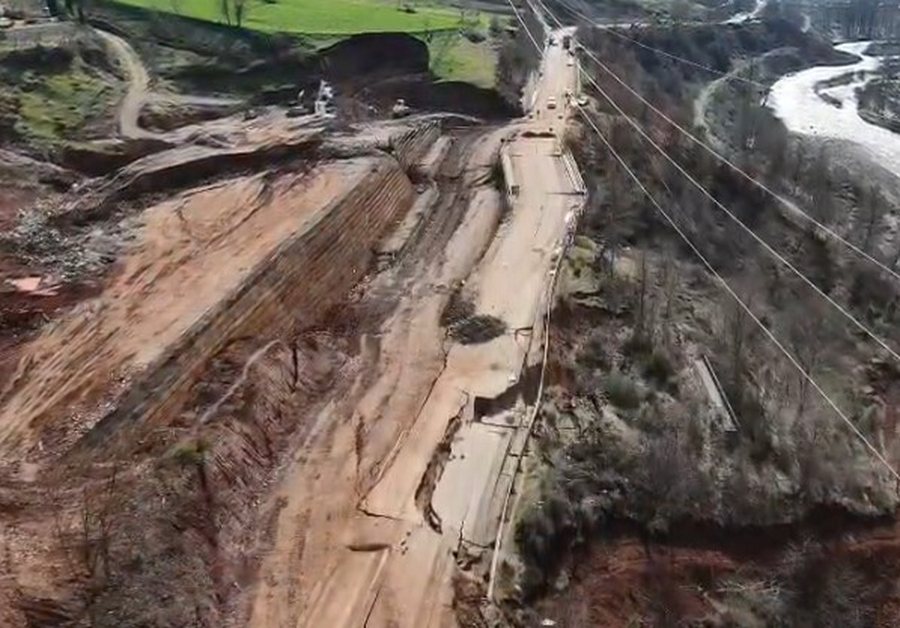
There have been days when it has been impossible to travel beyond Librazhd. Whether to Pogradec, Macedonia, Korça or Greece. The collapse of a section of the road in Dragoshtun, near Përrenjas, makes movement impossible. The damage is great. In national security, in the economy, in the sustainability of businesses.
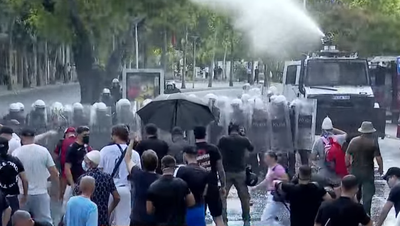
But when it was expected that the residents of the southeastern area would be the first to protest, since they are the ones directly affected, it is enough to mention the weekend crowds in Korça, and you see that there is no movement at all. No protests, no rallies to urge the government to find a solution, or no interest groups wanting guarantees that such acts will not happen again.
After a silence that seems to speak of indifference and civil dullness, a sad, painful conclusion emerges. Not a single voice is heard from Korça, or from Pogradec, since most of the inhabitants there are not actually there. The few who remain have linked their lives, today and tomorrow, with the neighboring country. With Greece specifically. They have sons, daughters, grandchildren there. It is enough to stay an afternoon in Thessaloniki, for example, and you will hear nothing but Albanian there. Even the typical call:
Come on, you little brat!
Korça is not a voice that is silent, but it is a voice that has disappeared. This voice has no voice in Albania. Therefore, the road blockade harms the hostels and their staff. The people of Korça walk on the highways of Greece, there is light and water there without interruption. The government of the Renaissance brought them this fate. That expelled them and… saved them.